The hum of server racks in Memphis echoes through a newly inked agreement that has sent ripples across Silicon Valley and beyond. In a move that signals a strange new era for the industry, Anthropic gets in bed with SpaceX as the AI race shifts from pure algorithmic innovation to a desperate scramble for raw infrastructure.
The Strategic Convergence of Rivals
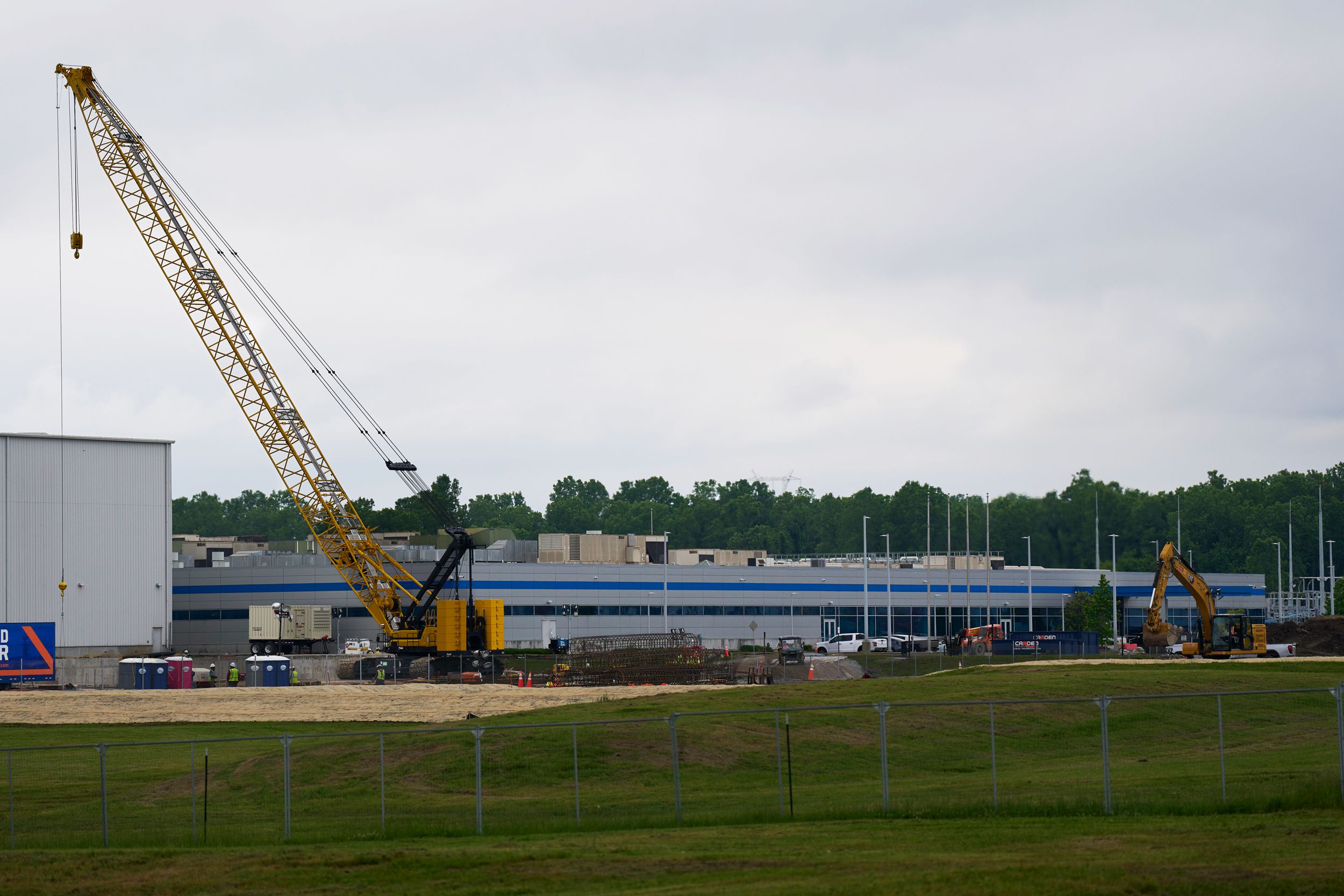
Anthropic, once a fiercely independent rival to OpenAI, now finds itself drawing power from Elon Musk’s xAI data center. This partnership grants over 300 megawatts of capacity—enough to fuel more than 220,000 GPUs—and signals a fundamental shift in how AI labs secure the raw compute needed for frontier research.
The deal marks a significant pivot in corporate relations. Following months of public spats between Musk and Anthropic’s leadership, what was once a hostile rivalry has transformed into a pragmatic alliance. This transition highlights a growing reality: as the AI race turns weird, even the bitterest competitors must cooperate to secure essential resources.
Why the Anthropic and SpaceX Partnership Matters
The necessity of this deal is driven by several critical industry pressures:
- Compute Scarcity: Growing demand is driving companies to pool resources; for example, Claude Code users frequently report rate limits, creating an urgent need for new infrastructure.
- Investor Confidence: As SpaceXAI looks toward potential IPO prospects, demonstrating partnerships with established hardware and energy providers is vital.
- Environmental Scrutiny: The expansion of data centers has intensified regulatory focus, particularly regarding methane emissions from natural-gas generators.
The Technical Landscape of Colossus 1
The backbone of this deal is the Colossus 1 supercomputer. Powered by Nvidia’s H100/H200 and the newer GB200 chips, it ranks among the world’s fastest supercomputers, having been assembled in a staggering 122 days.
Anthropic plans to use this capacity directly for Claude Pro and Claude Max subscribers, aiming to alleviate the computational bottlenecks that have frustrated developers. This move comes as rival contracts with Amazon and Google already account for over half of cloud providers’ multi-billion-dollar backlogs.
Market Dynamics and Future Outlook
This agreement reflects a broader trend where AI labs are no longer isolated actors but participants in an ecosystem where energy, hardware, and capital converge. Musk’s recent praise for the collaboration contrasts sharply with his earlier criticisms of Anthropic’s governance model, illustrating how business imperatives can override personal friction.
As SpaceXAI prepares for its IPO window next month, this partnership could serve as a proof of concept for orbital compute and hybrid terrestrial-space solutions. However, the expansion is not without controversy; local activists have already protested gas-turbine emissions near the Memphis site, highlighting the challenge of balancing rapid innovation with community health and sustainability.
What Developers Should Expect Moving Forward
As this new infrastructure comes online, several shifts are expected for the end-user:
- Improved Capacity: Availability should improve for Claude Code users, reducing wait times for heavy computational tasks.
- Evolving Pricing: Pricing models may evolve as providers leverage increased demand to negotiate better terms with large clients.
- Increased Security Focus: Security and compliance will become paramount as shared infrastructure introduces new attack surfaces and regulatory obligations.
The pact is more than just a contract; it’s a statement about the interdependence of the modern tech era. As companies navigate these overlapping interests, the line between competition and collaboration continues to blur, reshaping our understanding of the physical limits of intelligence.