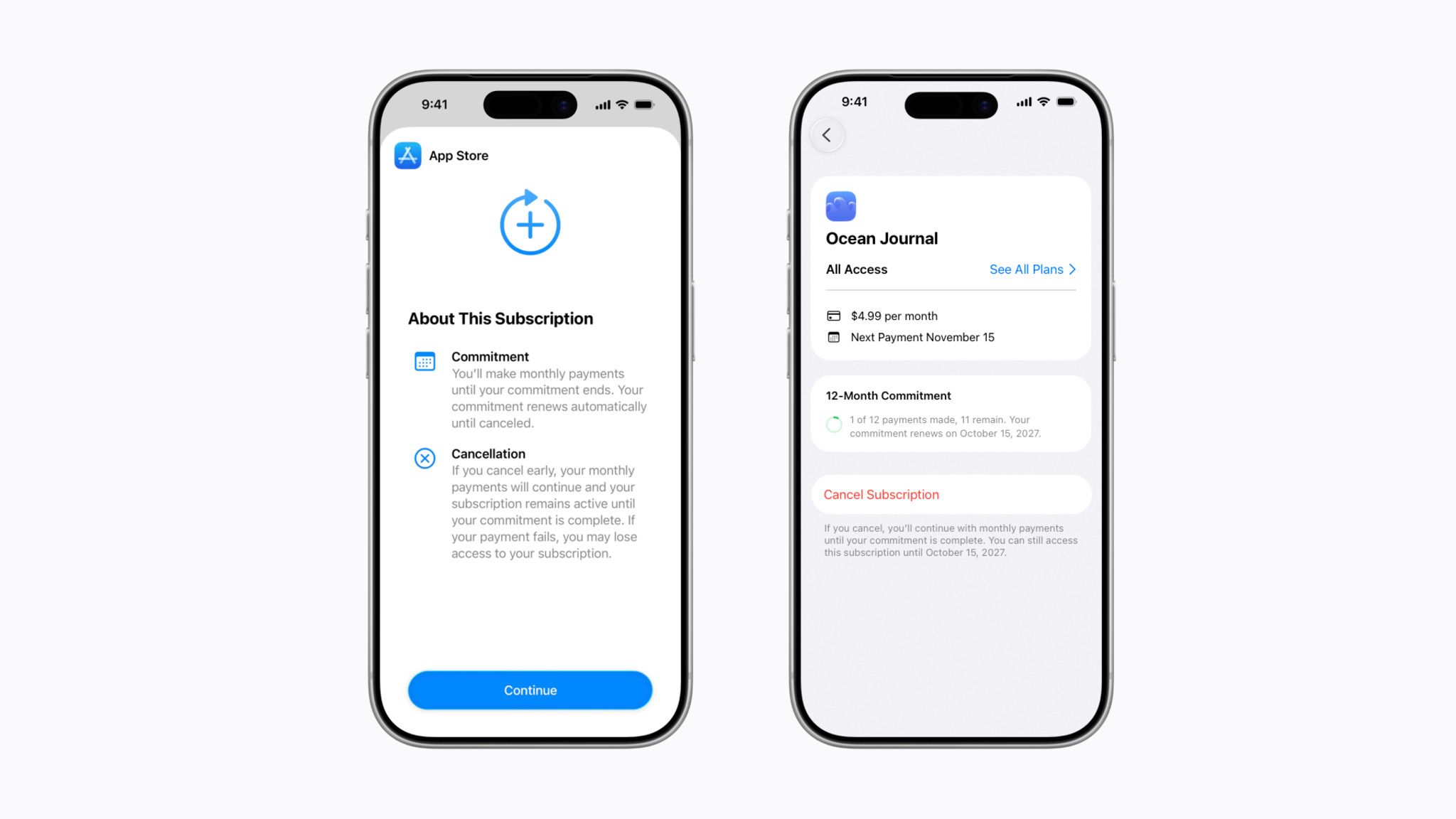
Apple is restructuring its billing model to prioritize long-term user retention over immediate flexibility. As Apple introduces a cheaper option for App Store subscriptions, the company is formalizing a practice where monthly payments are tied to a 12-month commitment. This shift aims to stabilize revenue for developers while providing a clearer framework for how promotional rates are displayed.
The Mechanics of the New Subscription Tier
This new tier acts as a middle ground between traditional monthly billing and upfront annual costs. Under this model, users pay a discounted monthly rate but must agree to remain part of the subscription for a full year. While the way Apple introduces a cheaper option for App Store subscriptions provides an entry point for price-sensitive consumers, it introduces a significant layer of financial obligation.
To ensure transparency, Apple has implemented several features to help users manage their commitments:
- Detailed breakdowns of payment structures and cancellation procedures visible before purchase.
- Real-time tracking of completed and remaining payments within the Apple Account interface.
- Automated reminder emails and opt-in push notifications sent ahead of renewal dates.
Despite these safeguards, the "cancel anytime" promise carries a significant caveat. While a user can initiate a cancellation at any point during the year, monthly installments will continue to be deducted until the full 12-month term has concluded. This creates a scenario where a user is technically no longer subscribed for the future, but remains financially tethered to the current term.
Why Apple Introduces a Cheaper Option for App Store Subscriptions and Its Global Rollout
Despite its rollout across iOS, iPadOS, macOS Tahoe, tvOS, and visionOS, the feature will notably skip the United States and Singapore at launch. The exclusion of the U.'S market is almost certainly a tactical maneuver to avoid complicating ongoing antitrust litigation involving Epic Games. Apple appears unwilling to introduce new payment complexities while the court's ruling on fee structures remains in flux.
In Singapore, the decision likely stems from a highly regulated payments landscape and stringent consumer protection laws. This strategic omission suggests that Apple is prioritizing stability in its most legally volatile markets before expanding these billing structures globally. Even though Apple introduces a cheaper option for App Store subscriptions, developers must manage the rollout through App Store Connect and test via Xcode. Full availability is expected alongside the release of iOS 26.5 and subsequent updates in May.
The Risk of Accidental Retention
The primary danger for consumers lies in the "set it and forget it" nature of modern digital subscriptions. While Apple has implemented features to help users track payments, the auto-renewing nature of these plans creates a significant trap for the unobservant. A single missed cancellation window could inadvertently lock a user into another full year of billing, effectively doubling their commitment.
This new model also addresses long-standing issues with deceptive marketing within the App Store. Developers have frequently displayed low monthly prices to highlight discounts, often obscuring the total cost of an annual commitment. By formalizing this process, Apple can now enforce stricter policies to ensure that the true cost of these deals is not misrepresented to the end user.