Top Budget Computer Speakers for Every Build
Despite possessing desktop computers capable of processing teraflops of data, users frequently settle for audio output that sounds like it is coming through a cardboard tube. This sonic bottleneck affects everything from competitive gaming to music production, yet finding the best computer speakers remains one of the most overlooked upgrades in any modern build. To determine the definitive hierarchy of desktop audio, the GLI7CH team put over 25 pairs of speakers through rigorous acoustic testing across multiple genres and use cases. The results reveal a market where compact designs now rival older, bulkier systems in clarity while offering superior convenience.
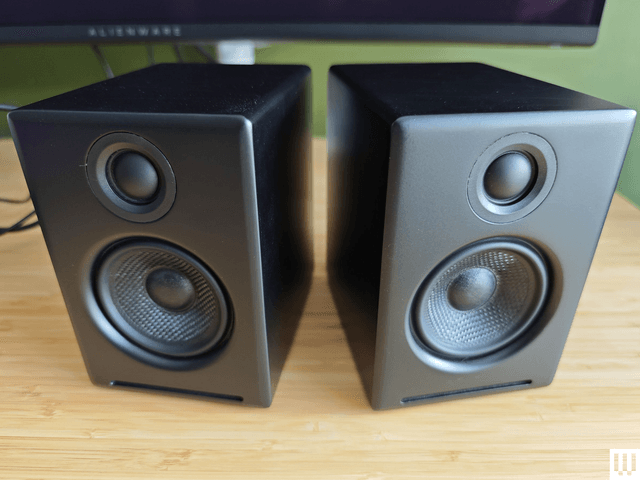
The entry-level category has undergone a radical transformation, driven largely by small-form-factor innovation. The Creative T100 remains the undisputed champion for budget-conscious builders, often selling for around $80. While their boxy black plastic chassis might lack visual flair, they deliver an impressive amount of detail that defies their diminutive size. They do not feature a subwoofer or 5.1 surround sound capability, but they excel at providing clean mids and highs essential for dialogue-heavy content. For users who demand absolute silence in the background, these speakers offer a noise floor low enough to prevent hiss during quiet gaming moments.
For gamers seeking physical rumble without sacrificing desk real estate, the Klipsch Pro Media Lumina steps in as the premier upgrade path. This system introduces a dedicated subwoofer that dwarfs the compact satellite speakers, offering significantly more bass power than the ubiquitous Creative Pebble X Plus. The Lumina provides a full-sounding system experience that satisfies music lovers who require depth alongside gaming enthusiasts needing directional cues from low-frequency effects. Meanwhile, the legacy Klipsch ProMedia 2.1 continues to hold its ground in the used market, though testers noted its tendency to distort at maximum volume levels compared to newer rivals.
Mid-Range Contenders: Balancing Value and Fidelity
Stepping up into the $200 to $400 range introduces a new set of variables, primarily focusing on soundstage width and material quality. The competition here is fierce, particularly between the Kanto ORA and the Edifier M60. These speakers prioritize a natural tonal balance over raw volume, making them ideal for critical listening sessions in a home office environment where long hours are spent mixing audio or editing video. Testers also noted that wireless capabilities on these mid-range units often utilize superior codecs like aptX, ensuring that latency remains minimal during fast-paced gaming sessions.
The decision between these two often comes down to aesthetic preference and specific acoustic characteristics:
- The Kanto ORA emphasizes clarity and separation, allowing listeners to pinpoint instrument placement within a complex mix without muddying the frequencies.
- The Edifier M60 offers a warmer, fuller presentation that can smooth out harsh digital recordings common in older software titles or streaming platforms.
While portable options like the JBL Go 4, Marshall Emberton III, and Ultimate Ears Wonderboom 4 dominate the general speaker market with their Bluetooth connectivity, these dedicated desktop units provide a static foundation for serious work. They eliminate the need for constant charging cycles and deliver consistent power output that battery-operated alternatives struggle to match over extended periods of continuous use. Furthermore, testers evaluated the build quality of cables and connections across the board, finding that magnetic connectors are becoming a standard feature in premium models, significantly reducing wear and tear over time.
The Verdict on the Best Computer Speakers in 2026
The landscape of computer speakers has shifted away from massive speaker towers toward efficient, high-fidelity desktop systems. Whether a user requires the punchy bass response of a Klipsch setup or the pristine clarity of a Creative T100, there is now a solution for nearly every budget and use case. The key takeaway for builders in 2026 is that investing in proper audio hardware yields immediate returns in immersion and focus. As screens continue to get larger and resolutions sharper, the audio component must step up to match the visual fidelity. Selecting one of these top-tier speakers ensures that the digital world sounds as good as it looks.