The Evolution of Home Defense: Why Modularity Is the New Standard
Waking abruptly to a high-pitched siren, hearing it emanate from downstairs while an unknown activity rattles the quiet of the house, serves as a visceral reminder that security systems are not mere afterthoughts but critical layers of modern dwelling defense. The ability to build such a robust perimeter—from simple door contacts to sophisticated AI monitoring—without being locked into a decade-long contract is the definitive marker of a truly modern setup.
True home protection today demands adaptability. A system must grow with occupants, technology, and unforeseen threats, making modularity the central pillar of any viable 2026 solution. The era of rigid, monolithic hardware packages is fading, replaced by flexible ecosystems that empower homeowners to curate their own safety infrastructure.
Building Core Protection Incrementally
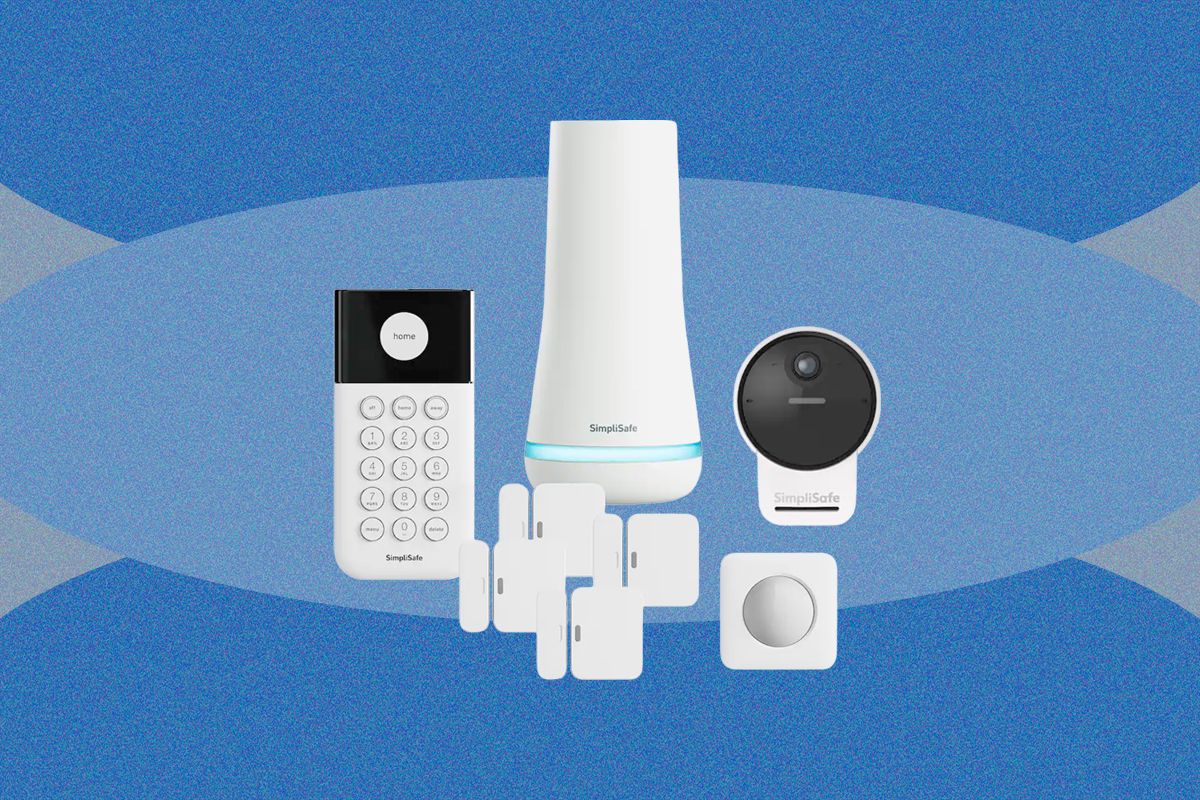
The core function of any smart security installation remains centered on its base station and keypad interface. These hubs manage initial components—door/window sensors and motion detectors—and provide the foundational arming and disarming mechanism. Modern systems have successfully digitized this process, allowing initial setup to be completed by non-professionals using adhesive strips and intuitive apps.
This DIY accessibility lowers the barrier to entry significantly. A homeowner can establish baseline perimeter defense quickly without specialized wiring knowledge or mandatory contractor visits. However, the true value emerges from the system’s capacity for expansion. The basic starter kits provide essential coverage, but real-world usage often dictates adding layers of protection over time.
This iterative build process is where modularity shines brightest. It allows users to react to changing needs, such as adding coverage to a newly built wing or upgrading from simple contact sensors to smart environmental monitors. By decoupling the core hardware cost from long-term service agreements, leading modular systems allow users to scale up or down without punitive cancellation fees. This financial flexibility is as valuable as the technological capability itself when planning for decades of habitation.
Integrating Advanced Environmental and Visual Monitoring
Moving beyond basic breach detection requires integrating systems that monitor the ambient state of the home. The inclusion of smoke alarm listeners represents a particularly astute evolution in safety technology. Standard smart smoke detectors often rely on specific sensor types, potentially failing to register certain fire signatures. An accessory listener mitigates this risk by acting as a universal alert receiver.
Similarly, adding CO2 detection alongside traditional intrusion sensors demonstrates a shift from mere security against theft to comprehensive life safety management. Visual monitoring presents both opportunities and sticking points. While dedicated outdoor cameras offer unparalleled visibility, the latency associated with some camera "wake-up" procedures can be a tangible drawback during a real event.
When expanding visual and environmental coverage, homeowners must navigate several technical considerations:
- Ensuring different components communicate seamlessly across proprietary protocols to prevent blind spots.
- Factoring in potential data lag between triggering an alert and viewing the live video feed.
- Confirming that added modules, such as smart locks or water sensors, do not require complex, hardwired electrical work.
Advanced features like Active Guard Outdoor Protection, which utilize AI algorithms for flagging anomalous activity, move the system from simple recording to proactive threat assessment. This integration allows for a more nuanced understanding of home safety, distinguishing between a stray animal and a genuine intruder.
Future-Proofing with Scalable Ecosystems
The current industry trend suggests a move toward hyper-specialization within a unified platform. Instead of one monolithic purchase, consumers are acquiring discrete, best-in-class components. This might include a high-end outdoor camera, a dedicated smoke listener, and an advanced smart lock at the entry point. This piecemeal acquisition process empowers owners to cherry-pick functionality rather than accepting a pre-packaged compromise.
The maturation of modular security points toward a deeply personalized defense grid. Manufacturers are allowing consumers unprecedented autonomy over their safety infrastructure. While some individual components might exhibit quirks, such as recalibration issues on smart locks or noticeable camera latency, the overall framework remains overwhelmingly powerful.
The best home security system is therefore not defined by its most expensive single piece of hardware, but by the seamless, low-friction ability to incorporate any necessary intelligence onto an existing, flexible foundation. For 2026 and beyond, adaptability isn't just a feature; it is the defining characteristic of effective home security.