Best Yoga Mats (2026): Lululemon, Manduka, JadeYoga
The grip required during advanced vinyasa flow dictates that any mat choice must prioritize surface interaction over mere aesthetic appeal. A truly effective yoga floor support system balances cushioning for joint protection with aggressive, reliable traction across wet and dry conditions—a balance that few manufacturers achieve flawlessly.
When evaluating the best yoga mats for 2026, it is clear that traction is not monolithic. The grip required for holding a Downward Dog differs significantly from that needed for gripping during a balancing Ardha Chandrasana (half-moon pose). Certain materials excel under specific duress points: the high sweat factor of hot yoga demands open, wicking surfaces, while foundational poses benefit from consistent purchase on both hands and feet.
Evaluating Grip Dynamics Across Practice Styles
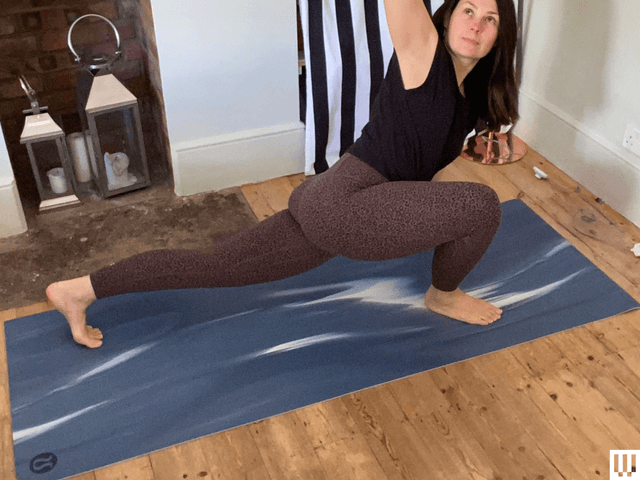
Several leading brands employ distinct surface treatments to enhance friction and stability. The Lululemon mat, for example, utilizes a reversible design that changes its grip profile based on the intended use. This adaptability is rarely matched in a single piece of hardware, allowing practitioners to switch textures as their practice intensity shifts.
Conversely, Manduka’s commitment to closed-cell PVC construction provides inherent resistance to moisture absorption. This is a major boon when sweat accumulation threatens stability, as the material prevents liquids from penetrating the mat body.
Performance characteristics often vary by practice type:
- Hot Yoga Performance: Closed-cell mats, including those with advanced polyurethane or proprietary grip layers, manage sweat by keeping it on the surface. This preserves the tacky feel needed for high-sweat practices, preventing slips caused by internal saturation.
- Beginner Stability: Mats with pronounced alignment markings or a denser, more supportive profile offer visual and tactile cues. These help newcomers map their bodies correctly across the floor plane, reducing the risk of misalignment.
- Travel Imperative: For practitioners whose routines dictate portability, ultra-thin models remain viable toppers. However, they necessitate layering extra padding underneath to prevent joint discomfort during longer sessions.
Material Science: Durability vs. Eco-Consciousness
The debate surrounding material composition pits longevity against environmental idealism. PVC and specialized synthetic rubbers offer unparalleled durability, resisting tears and maintaining structural integrity over many years of heavy use.
On the other hand, natural rubber mats boast superior biodegradability credentials, appealing to a segment prioritizing minimal ecological impact. JadeYoga exemplifies this commitment to plant-derived materials. Its usage of natural rubber inherently links its purchase to reforestation efforts through specific partnerships. This dedication is commendable for sustainability records.
However, this material choice often comes with trade-offs in sheer resilience compared to synthetic alternatives. Natural rubber may not withstand years of aggressive daily abrasion as effectively as its synthetic counterparts. A critical consideration when assessing lifespan must involve how the mat handles moisture penetration; closed-cell materials inherently resist deep saturation, simplifying long-term care and maintaining a more consistent performance profile regardless of sweat output.
Selecting for Specific Needs: A Comparative View
The ideal mat is defined by the user's primary practice—whether that is intense, sweaty power flow, slow restorative Yin, or simply occasional morning stretching on carpet. No single product dominates every metric across all disciplines; choice requires triage based on physical necessity.
When narrowing down your options, consider these key priorities:
- For High-Intensity/Sweaty Practices: Prioritize mats with advanced sweat-wicking and open-cell structures. These maintain a tacky feel even when fully saturated, ensuring safety during vigorous sessions.
- For Joint Health/Beginners: Opt for models boasting greater inherent padding. This ensures cushion density supports knees and wrists without feeling overly spongy or unstable.
- For Budget & Portability: Look toward lighter composite options designed for easy packing into bags or suitcases without sacrificing all ground connection entirely.
Ultimately, while brand cachet—be it Lululemon’s design focus or Manduka's reputation for robust construction—carries weight in consumer perception, the functional metrics of grip consistency and support density should dictate the final purchase decision. A mat that feels right underfoot, adapting to sweat buildup without failing, will provide a more profound pathway into breathwork than one merely displayed aesthetically.