A Bipartisan Push to End Nationwide Police License Plate Tracking
A new bipartisan amendment tucked into a federal highway bill could fundamentally change how law enforcement operates across the country. If passed, the measure would effectively mandate an end to police license plate tracking nationwide by stripping federal funds from cities and states that refuse to dismantle their automated programs.
This legislative move represents one of the most aggressive attempts to limit automated plate tracking in the United States, pitting privacy advocates against traditional law enforcement methods.
The Impact of Nationwide License Plate Tracking Bans
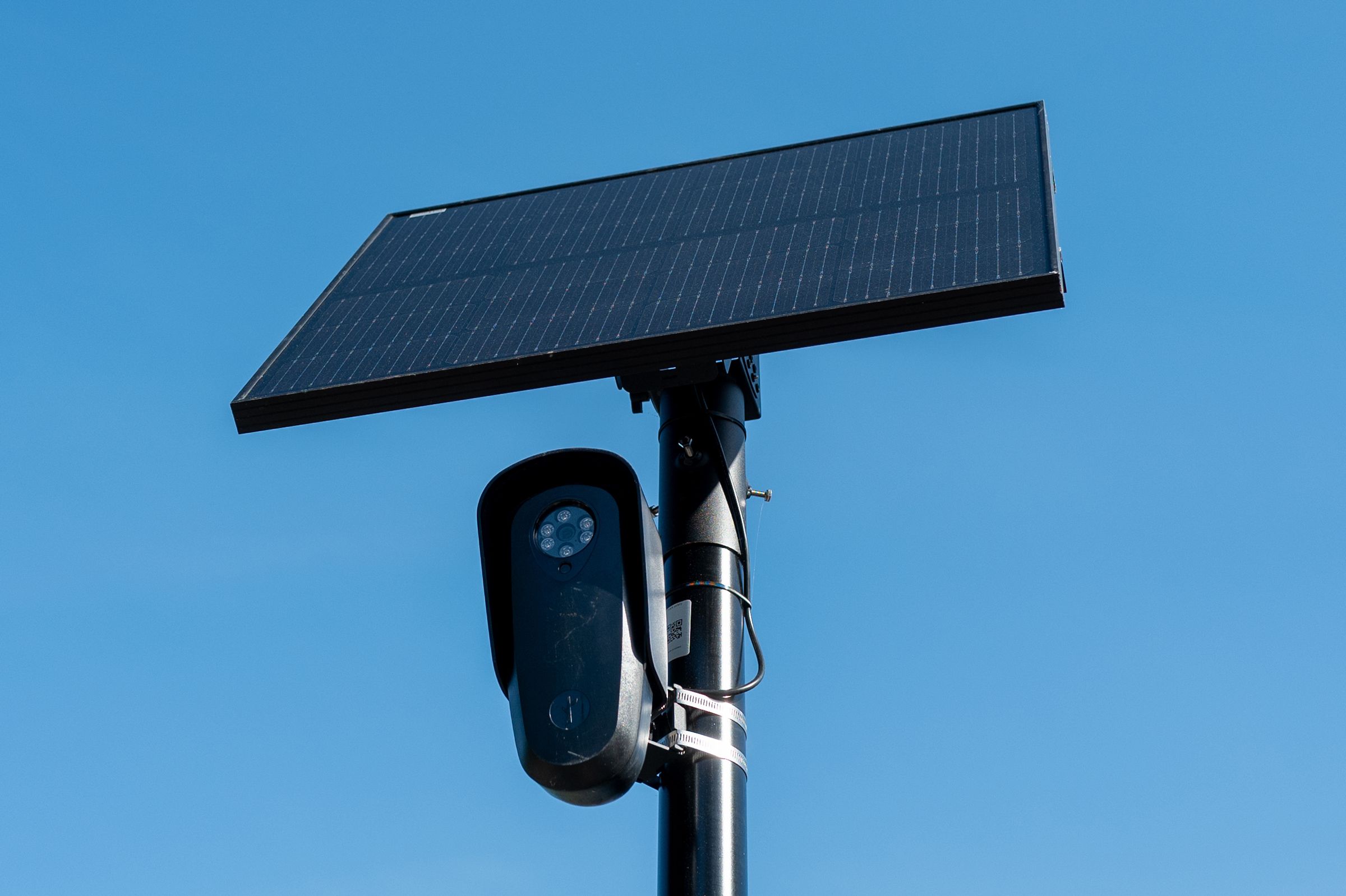
The proposed legislation specifically targets the widespread use of Automated License Plate Recognition (ALPR) technology. Under the terms of the amendment, local governments would face significant financial penalties unless they terminate their current surveillance systems.
While the bill allows for some continued use of the technology, its scope would be strictly limited to administrative and revenue-based purposes. The primary exceptions include:
- Toll collection services: Ensuring highway revenue streams remain intact.
- Parking enforcement measures: Managing municipal parking regulations.
- Specific transit-related monitoring: Overseeing public transportation infrastructure.
By narrowing the application of this data, the bill seeks to remove police license plate tracking from its role as a standard law enforcement tool, reclassifying it as a niche utility.
Financial Consequences for Local Governments
The amendment functions as a "carrot and stick" approach to federal spending. By tying highway funding to the removal of these surveillance tools, the bill places immense pressure on state and local officials to comply with the new standards.
If jurisdictions choose to maintain their current infrastructure, they risk losing vital federal resources essential for maintaining roads and transit systems. This financial leverage is designed to force a rapid transition away from mass surveillance data collection.
As the debate over privacy versus public safety continues, this bipartisan push highlights the growing tension between technological capabilities and civil liberties. The outcome of this amendment will likely set the precedent for how police license plate tracking is regulated at a national level for years to come.