New Glenn Returns to Flight: Blue Origin Clears Critical Hurdle
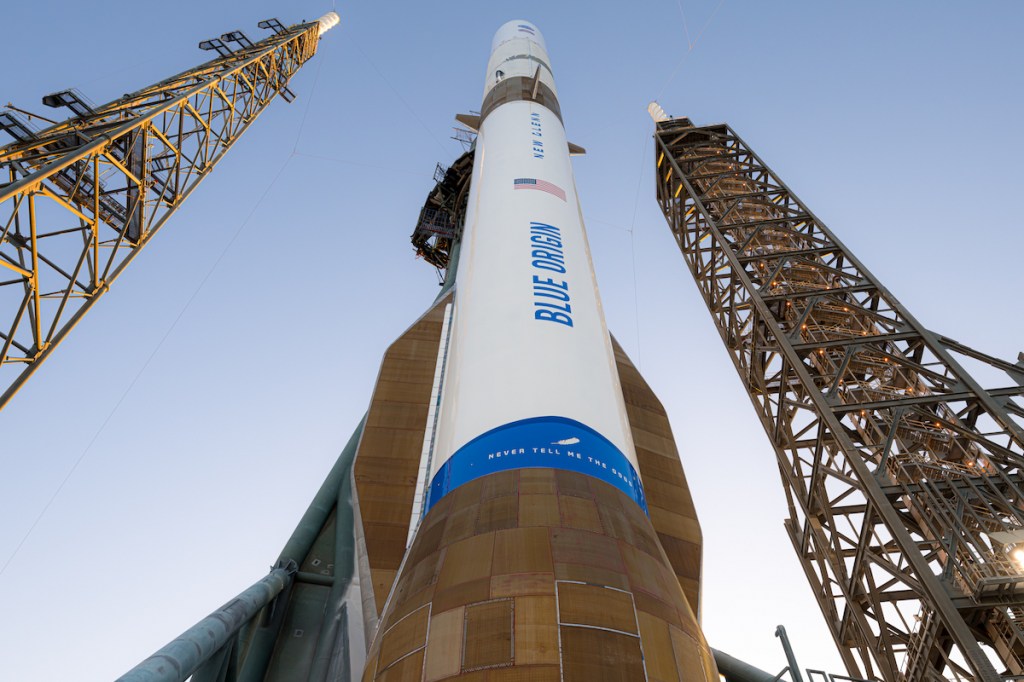
Blue Origin’s New Glenn mega-rocket has officially received clearance from the Federal Aviation Administration (FAA) to resume operations. This pivotal decision comes just a month after a critical mishap during the vehicle’s third test flight in April, a failure that grounded the heavy-lift booster and cast doubt on its immediate future.
For Jeff Bezos’s spaceflight company, this regulatory green light marks a significant turning point. It signals that Blue Origin is ready to reclaim its aggressive launch cadence in an increasingly crowded and unforgiving commercial space market. While the road ahead remains challenging, the path to reclaiming lost time is now open.
The Anatomy of the April Mishap
The recent grounding stemmed from a specific technical anomaly during New Glenn’s third-ever flight. While the mission initially appeared successful—with the booster stage performing its maneuvers and executing the first-ever reuse of its hardware on an Atlantic drone ship—the upper stage encountered unexpected issues.
An off-nominal thermal condition compromised the upper stage’s performance. This thermal anomaly caused one of the three engines to produce lower-than-expected thrust, which altered the payload’s trajectory. The consequences were severe: the AST SpaceMobile satellite, intended to anchor a direct-to-device cellular network, failed to reach orbit and burned up in the atmosphere.
Despite the loss of the asset, the technical failure provided crucial data. Blue Origin submitted a comprehensive report to the FAA, detailing the "corrective measures" taken to address the thermal condition. Although specific engineering fixes were not fully disclosed, this level of transparency was sufficient for regulators to lift the suspension.
Strategic Implications for Blue Origin
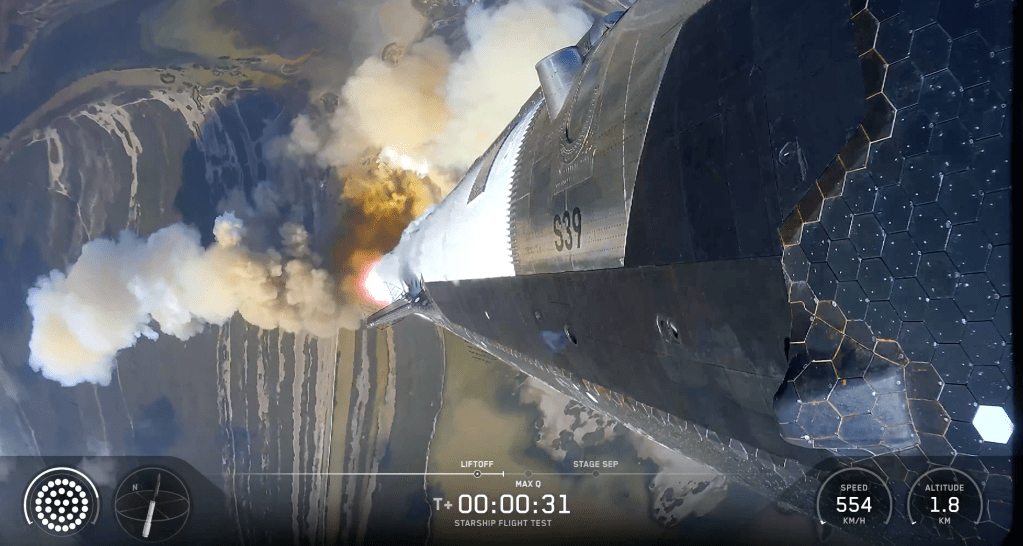
The FAA’s clearance removes a major bottleneck for Blue Origin, which has set an ambitious goal to launch New Glenn as many as 12 times by the end of 2026. This target is central to the company’s strategy to establish New Glenn as a premier heavy-lift competitor to SpaceX’s Falcon Heavy and Starship.
Several key factors now influence the company’s trajectory:
- Payload Commitments: Blue Origin faces a growing roster of commercial and government customers. Delays in one launch can cascade, creating longer wait times for subsequent missions.
- Reusability Data: The successful reuse of the booster stage provided valuable insights. Understanding the wear and tear on reused hardware is critical for maintaining the cost-efficiency required to compete with SpaceX.
- Competitive Landscape: SpaceX continues to dominate launch frequency metrics. Blue Origin must accelerate its turnaround times to maintain relevance with clients who prioritize reliability and timeliness.
A Test of Engineering Rigor
The successful landing of the booster in April demonstrated that Blue Origin’s reusability strategy is technically sound. The upper-stage failure was an isolated incident within the propulsion system, not a systemic flaw in the rocket’s core design. This distinction is vital for preserving investor confidence and customer trust.
As the industry shifts toward a model where launch providers are judged by success rates and turnaround times, New Glenn’s return to flight is a necessary but not sufficient step. The upcoming launch window will serve as a litmus test for the rocket’s reliability. If the next mission proceeds without incident, Blue Origin can begin to close the gap with the market leader. However, the clock is ticking, and sustaining this pace will be the true measure of New Glenn’s long-term viability.