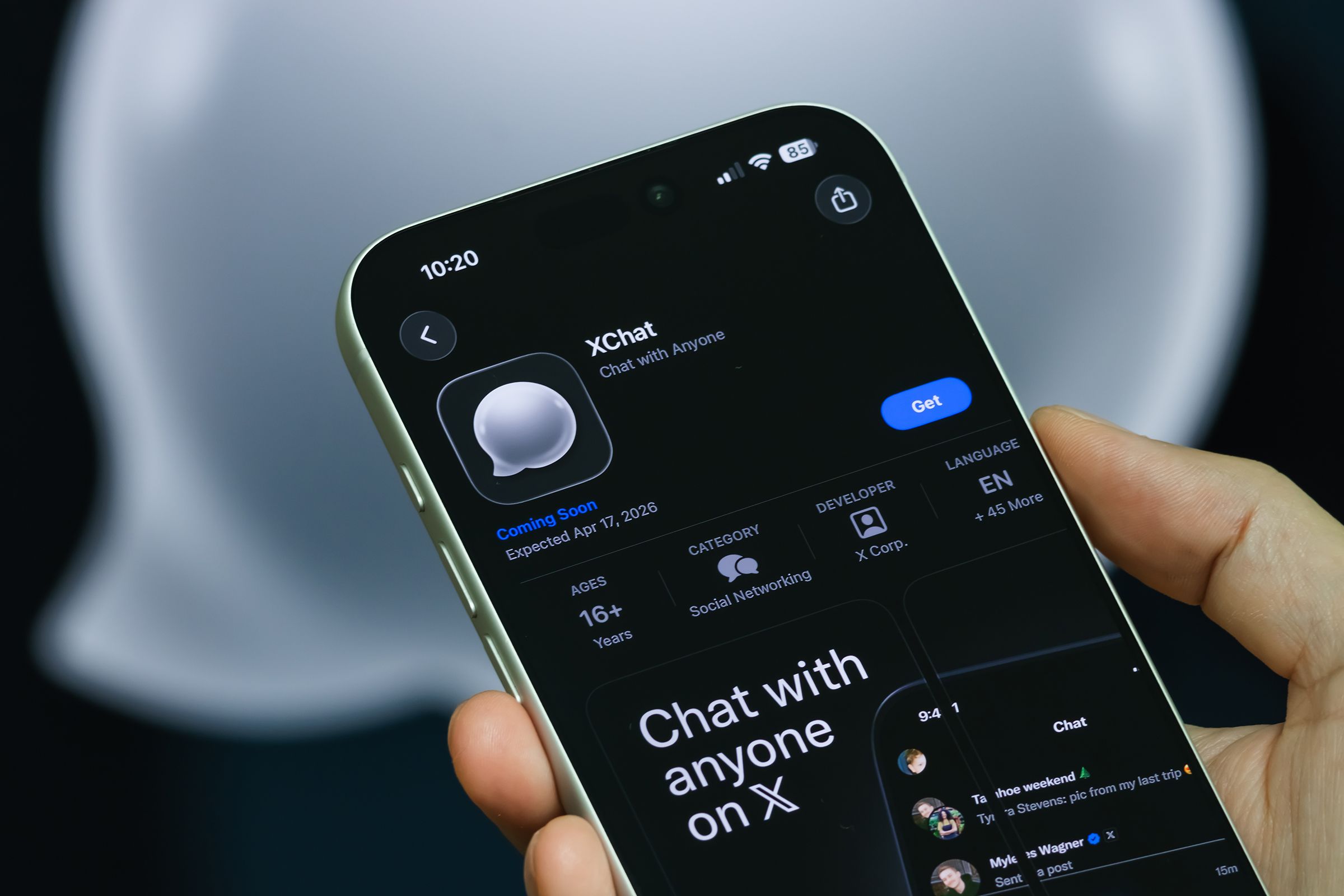
The evolution of encrypted messaging has transformed mobile communication from a simple utility into a battlefield for privacy and platform dominance. For years, Signal and WhatsApp have set the standard for secure, end-to-end encrypted dialogue by establishing a baseline of trust through decentralized architectures. The recent launch of Elon Musk’s XChat app suggests a different trajectory—one that prioritizes ecosystem integration over true cryptographic independence.
Security Red Flags in Elon Musk’s XChat App
While Musk has publicly disparaged competitors like Signal and iMessage as having "serious security problems," the technical reality of Elon Musk’s XChat app presents a much more complicated narrative. Security experts have raised significant alarms regarding how the application handles cryptographic keys.
Unlike Signal, which keeps these keys on the user's device to ensure true end-to-end encryption, XChat’s architecture has historically suggested a reliance on storing these keys on X’s own servers. This centralization introduces a single point of failure that could potentially undermine the very definition of secure communication.
The Privacy Paradox and Data Risks
Furthermore, the requirement to link an existing X account to the messaging service creates a massive data correlation risk. Privacy advocates note that the more data points connected to a single identity, the easier it becomes for platforms to track user behavior across different services.
The app’s own documentation presents a confusing picture of its privacy promises:
- User contacts are explicitly linked to X identities.
- Device identifiers and usage patterns are actively tracked.
- The privacy policy lacks specificity, often redirecting users back to the general X terms of service.
This lack of transparency makes it difficult for even seasoned tech enthusiasts to gauge the true level of surveillance being conducted within the app's boundaries.
Ecosystem Integration vs. Standalone Utility
Beyond the security debate, XChat suffers from a fundamental identity crisis. It lacks the utility of a standalone messenger because it is tethered almost exclusively to the existing X social graph. This creates a walled garden effect where users can only communicate with those already active on Musk's social media platform.
In practice, the app functions less like a revolutionary security tool and more like a localized extension of an existing social network—a design philosophy heavily mirrored by Facebook Messenger. The rollout itself was marked by instability, with the launch date shifting multiple times on the App Store before finally arriving in late April.
The experience for early adopters has been characterized by fragmented availability and a lack of polished features. For example, while users can select an option to block screenshots, this is not enabled by default and must be manually toggled for every new conversation. This adds a layer of friction that most modern messaging apps have long since eliminated.
Ultimately, XChat is unlikely to disrupt the established hierarchy of global messaging platforms. It lacks the massive user base of WhatsApp and the uncompromising, audited security of Signal. Unless the platform can decouple itself from the broader X ecosystem, it will remain little more than a niche utility for power users of Musk's social media empire.