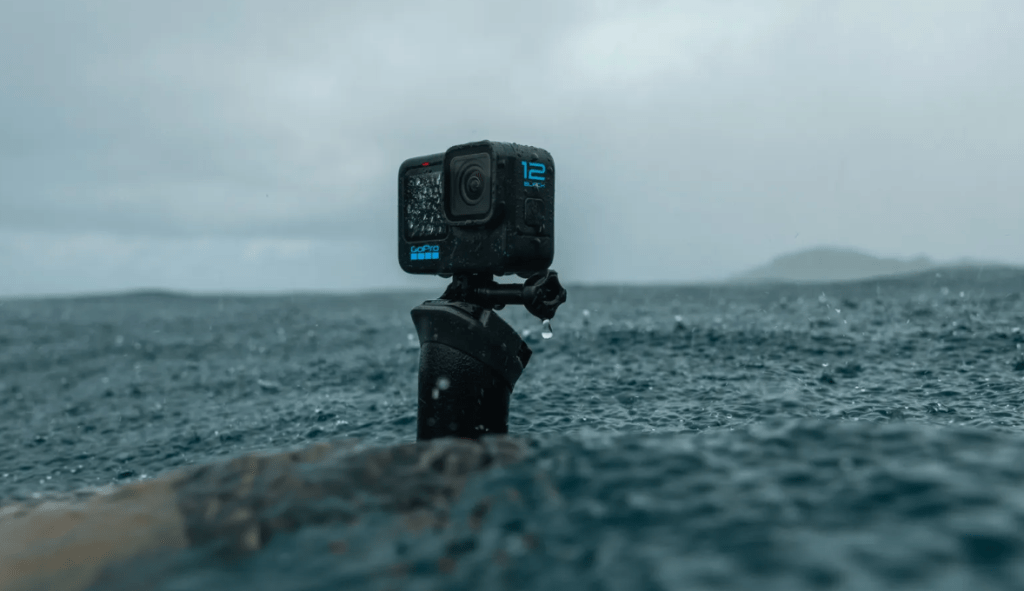
The convergence of consumer electronics and national security has created an unexpected arena where even iconic brands must adapt. Once defined by capturing action on mountaintops and oceans, companies like GoPro now confront geopolitical realities that demand new capabilities beyond entertainment.
From Action to Armament: The New Market Realities
Consumer tech giants built empires on viral content and lifestyle branding. Today, those same firms face an environment where durability and image quality must coexist with classified specifications and stringent compliance standards. Defense procurement agencies now prioritize ruggedized components that survive extreme conditions—conditions GoPro’s cameras have historically excelled at meeting.
- Survival imperative: Revenue declines forced GoPro into strategic review, highlighting how fragile market leadership can become without diversified demand streams.
- Historical precedent: Military contracts have long served as growth engines for aerospace firms; consumer-facing brands rarely tap this channel directly, but the line blurs when ruggedness becomes a national priority.
- Investor behavior: Shareholder confidence shifted dramatically after layoffs and margin compression, making defense a more attractive alternative to stagnant consumer markets.
GoPro's Strategic Reorientation
In recent weeks, GoPro publicly explored opportunities in defense and aerospace, signaling a departure from its core action camera business. The announcement triggered short-lived optimism, reflected in equity re-rating, yet market participants quickly reassessed the initiative’s feasibility given GoPro’s operational profile and regulatory hurdles.
The company’s board confirmed receipt of unsolicited inquiries from multiple sectors, with defense entities among those expressing interest. This mirrors broader trends where established camera manufacturers now compete for military optics contracts alongside traditional industrial players.
Workforce Adjustments and Organizational Shifts
GoPro executed significant workforce reductions, cutting nearly 25% of its staff amid deteriorating financials. The downsizing reflects both immediate cost pressures and long-term restructuring toward alternative revenue models, including defense-oriented product development. Former aerospace divisions within GoPro were already tasked with evaluating strategic alternatives, underscoring how corporate DNA evolves under duress.
Defense as a Strategic Pivot: Opportunities and Obstacles
Defense procurement presents unique challenges for companies accustomed to consumer cycles. Rigorous certification processes, security clearances, and supply chain reliability requirements raise barriers significantly beyond typical product testing environments. Nevertheless, the Pentagon’s expanding budget allocations create openings for suppliers capable of meeting exacting standards.
GoPro’s brand identity—built around extreme durability—aligns with certain military equipment needs, particularly in reconnaissance and field documentation contexts. However, transitioning from mass-market appeal to classified specifications demands new engineering pipelines, compliance teams, and partnership models with established defense contractors.
Industry-Wide Implications
GoPro’s pivot exemplifies a larger shift: legacy consumer tech firms reevaluating their roles in national security ecosystems. As geopolitical tensions intensify, the boundary between commercial innovation and defense capability becomes porous, prompting both opportunities and ethical debates within corporate governance structures.
Investors tracking this evolution should monitor:
- Regulatory approvals for dual-use technologies
- Public contracts awarded to former consumer technology companies
- Strategic acquisitions facilitating rapid capability transfer
The outcome will reshape competitive landscapes while testing whether ruggedness—a hallmark of GoPro’s legacy—can translate into lasting relevance on the battlefield.
Forward-Looking Assessment
While GoPro’s immediate trajectory remains uncertain, the broader pattern suggests that adaptability determines survival in today’s volatile environment. Companies that blend technical excellence with strategic agility stand better positioned to capitalize on emerging defense opportunities without sacrificing core competencies. The next phase will reveal whether GoPro can redefine itself beyond capturing moments to preserving them under extreme conditions.