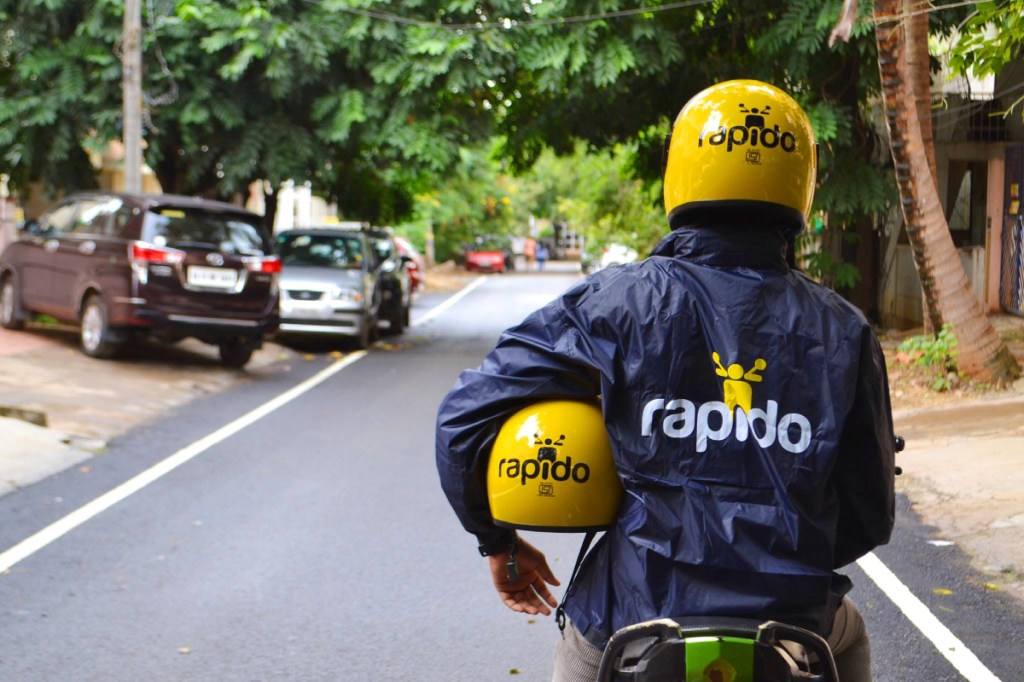
Midnight delivery cycles light up India’s streets as drivers weave between honking auto-rickshaws and crowded buses, a scene that epitomizes both the chaos and opportunity of the country’s ride-hailing boom. In this high-stakes environment, Rapido has just secured a $240 million round at a $3 billion valuation, marking a significant inflection point in India’s competitive mobility landscape.
The Capital Surge
The funding round, led by Prosus with participation from WestBridge Capital and Accel, pushes Rapido’s private market value past the $3 billion mark—up from $2.3 billion just months prior. This influx will be channeled into three core priorities: expanding into fast-growing regional hubs, bolstering driver incentives amid fierce price competition, and accelerating investments in AI-driven route optimization and platform efficiency.
- Geographic Expansion: Targeting secondary cities where demand outpaces supply but regulatory frameworks remain nascent.
- Driver Ecosystem: Improving earnings stability for partners through dynamic pricing models and non-rider revenue streams like food delivery via sister subsidiary Ownly.
- Tech Innovation: Deploying machine learning to reduce wait times and fuel consumption across motorbike and auto-rickshaw fleets.
Competitive Dynamics Reconfigured
Rapido’s raise comes as Uber’s CEO Dara Khosrowshahi announced new infrastructure investments in India, underscoring the strategic importance of the market despite persistent challenges around regulation, profitability, and driver retention. Analysts note that Rapido has already overtaken Ola in market share, leveraging its focus on lower-cost motorbike rides to capture price-sensitive urban populations—a tactic mirrored by emerging rivals like Ona.
Policy Pressures and Strategic Adjustments
India’s mobility sector remains a regulatory minefield, with city-specific caps on vehicle numbers and fluctuating insurance requirements complicating operations. Rapido’s capital buffering aims to mitigate these risks while funding compliance teams capable of navigating evolving state-level mandates. The company also plans to deepen integration with public transport networks, a move aligned with national initiatives to decongest metropolitan areas.
Looking Ahead
The infusion signals investor confidence that India’s fragmented market can sustain multiple dominant players through sheer scale and innovation. While margins remain thin across most ride-hailing operators, Rapido’s multi-modal approach—blending ride-sharing with last-mile delivery—positions it to diversify revenue beyond core transportation fees.
As the sector evolves, stakeholders will watch closely how Rapido translates capital into sustainable growth amid regulatory scrutiny and cyclical pricing wars. The next 12 months may redefine leadership in one of the world’s most dynamic mobility ecosystems.
The company’s ability to balance rapid expansion with operational discipline will be critical, especially as rivals continue to experiment with hybrid models combining human drivers and autonomous alternatives. With Uber doubling down and Ola expanding its own tech stack, Rapido’s path forward hinges on translating capital into measurable improvements in rider experience and driver satisfaction—metrics that ultimately determine long-term viability.
This round not only underscores the resilience of India’s startup ecosystem but also highlights how strategic funding can reshape competitive dynamics in hyper-competitive sectors. For investors, policymakers, and industry participants alike, Rapido’s trajectory offers a case study in navigating complexity while chasing growth—a challenge set to intensify as urban populations surge and digital adoption accelerates across the subcontinent.