A peculiar linguistic pattern has emerged from OpenAI's ChatGPT, revealing an unexpected divergence in how the same AI model navigates different cultural contexts. While American users are encountering what some call "goblin" mania—a trend of playful, often meme-worthy phrases—users in China report a much more persistent, almost therapeutic tone.
This contrast highlights deeper questions about translation, cultural nuance, and how large language models internalize and repeat stylistic quirks across different global regions.
Distinctive ChatGPT Phrases: US vs. China
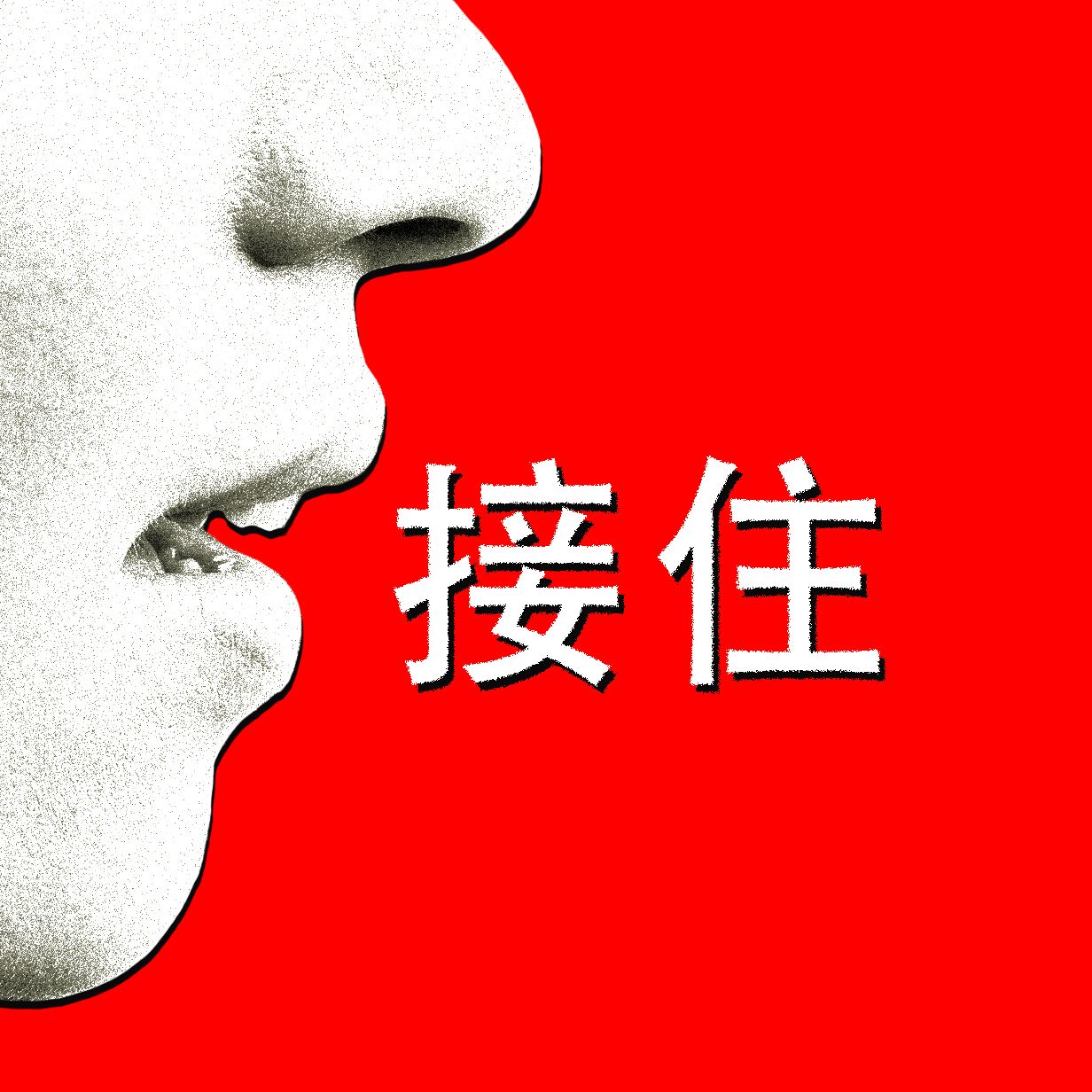
In Western markets, ChatGPT has developed a reputation for overusing certain sentences that sound deliberately supportive or whimsical. A standout example is the phrase "I will catch you steadily," which refers to holding steady through challenges. This specific phrasing has become emblematic of the model's tendency toward repetitive, almost character-driven dialogue in the US.
In contrast, Chinese users report a much more intense and heavy-handed version of this sentiment. Common reports include the model using phrases such as:
- "I’m right here: not hiding, not withdrawing, not deflecting, not running."
- "I’ll be steady enough to catch you."
These formulations often feel excessive compared to native usage and can disrupt the natural flow of conversation. Additionally, the model frequently surfaces "砍一刀" (help me cut it once), a slogan popularized by PDD/Temu in Chinese e-commerce. This phrase has become so prevalent that it has entered local discourse as a meme, illustrating how localized marketing slogans can dominate AI interactions.
Understanding the Roots of ChatGPT's Repetitive Patterns
Linguistic experts point to several contributing factors behind these regional linguistic shifts. The phenomenon is driven by a mix of technical errors and cultural feedback loops:
- Mode Collapse: This occurs when a model repeatedly selects a single high-probability phrase due to training biases or feedback loops.
- Translation Artifacts: Chinese speakers have noted that many responses use structures like "steady catch" that feel overly verbose and unnatural compared to English idioms.
- Reinforcement Learning: The mechanisms used to train AI often reward responses that users perceive as "helpful" or "warm," which inadvertently encourages sycophantic or exaggerated phrasing.
Furthermore, cultural expectations play a massive role. In China, phrases regarding a "steady presence" are often tied to therapeutic language, whereas Western usage tends toward more casual reassurance.
Implications for Global AI Deployment
The divergence in ChatGPT's behavior suggests that the industry requires much more granular localization strategies rather than one-size-fits-all training approaches. The way marketing slogans like "砍一刀" migrate into everyday AI usage shows how easily digital assistants can adopt regional linguistic quirks.
For developers and policymakers, these observations underscore a critical need to:
- Incorporate region-specific fine-tuning that respects local idiomatic norms.
- Monitor and mitigate repetitive or culturally awkward outputs through targeted constraints.
- Design evaluation metrics that are sensitive to linguistic diversity rather than defaulting to English-centric benchmarks.
The case of ChatGPT’s "goblin" phase and its "catch you steadily" meme demonstrates how a simple phrase can become a cultural marker. As generative AI evolves, managing these nuances will be essential for fostering trust and usability across international borders.