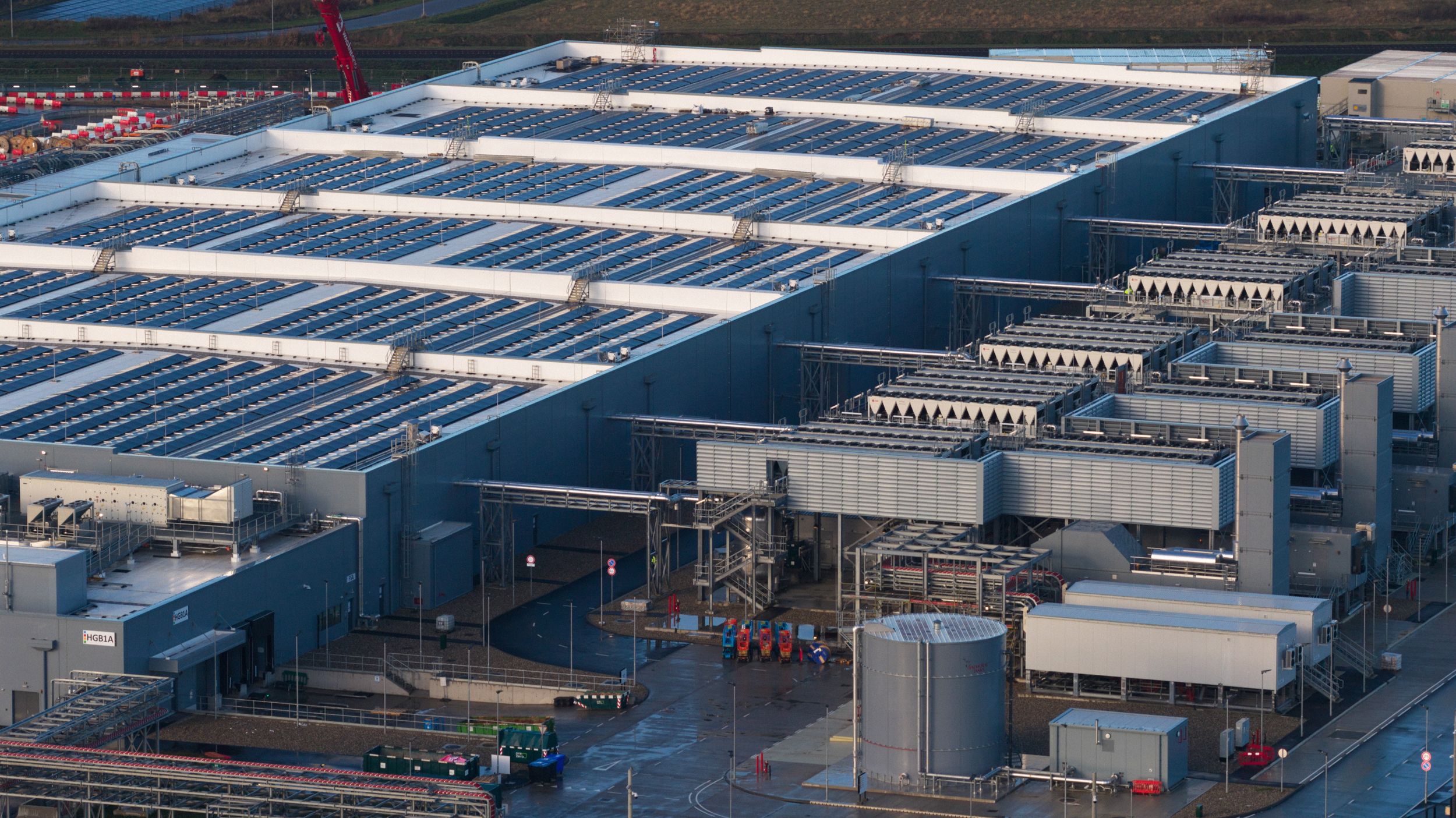
A massive data center is beginning to rise from the West Texas desert like a metallic fortress, signaling one of the largest private investments in state energy infrastructure since the shale boom. Funded by Chevron’s Energy Forge subsidiary, this project has triggered a political and environmental reckoning that extends well beyond its perimeter fence. As the developer moves forward, a central point of contention has emerged: a Chevron Texas power plant seeks school district tax break incentives to facilitate this massive expansion.
The Purpose of the Proposed Power Plant
Unlike traditional utilities, this proposed gas-fired facility is not designed to feed residential grids. Instead, it will generate electricity exclusively to power a future data center. By utilizing this "behind-the-meter" approach, Chevron aims to meet Microsoft’s growing demand for localized, reliable power while bypassing the costs and delays associated with traditional utility interconnections.
The tax abatement application was filed under the Texas Jobs, Energy, Technology, and Innovation (JETI) Act. This application seeks millions of dollars in savings over a decade, with proponents arguing the project will provide critical economic benefits:
- Employment: The creation of over 25 permanent, full-time positions in a region seeking high-skill jobs.
- Energy Capacity: Addressing the massive demand for localized power through dedicated gas plants.
- Tax Structure: Under current frameworks, school districts face no direct revenue loss because the state covers the abatement.
Scrutiny of the Chevron Texas Power Plant Tax Break
While the JETI program was passed in 2023 to cap taxable property values and encourage capital inflow, it has come under intense scrutiny. Texas lawmakers are re-examining how school district taxes are leveraged as incentive tools, particularly as data centers become massive energy consumers that strain local grids.
Critics argue that the current safeguards are insufficient compared to previous incentive models. There is a growing concern that these breaks lack the oversight necessary to protect public finances. This debate is fueled by several key factors:
- Environmental Footprint: The Energy Forge plant could emit over 11.5 million metric tons of CO2e annually—surpassing the entire national emissions of Jamaica in 2024.
- Grid Resilience: Analysts warn that behind-the-meter solutions might undermine regional grid stability if not paired with strict compliance.
- Fiscal Exposure: A bipartisan coalition in Austin, including Lieutenant Governor Dan Patrick, warns that projected losses from data-center incentives could reach $3 billion by 2029.
Corporate Ambiguity and Environmental Risks
The partnership between Chevron and Microsoft remains complex. While Microsoft has publicly pledged to be a "good neighbor" and contribute to local taxes, no binding agreement has been signed with Energy Forge. Current exclusivity talks suggest Microsoft may lease capacity rather than owning the plant, creating ambiguity regarding who holds environmental liabilities and how future tax benefits are calculated.
Watchdog groups like Good Jobs First are calling for a shift in policy. They argue that tax incentives should be tied directly to grid upgrades and clean-energy contributions rather than simple capacity commitments.
The Future of Texas Energy Incentives
If the request is granted, the project will set a significant precedent for how Texas balances corporate energy demands with environmental pressures. The decision will influence how future incentive packages are structured for energy-intensive industries seeking to use the state's land and fossil-fuel infrastructure.
Ultimately, the tension surrounding this project highlights a vital question for policymakers: should tax policy simply subsidize capacity for tech giants, or should it evolve to reward grid stability, sustainability, and genuine community benefit? The coming months will determine if Texas can secure its economic future without compromising its environmental long-term goals.