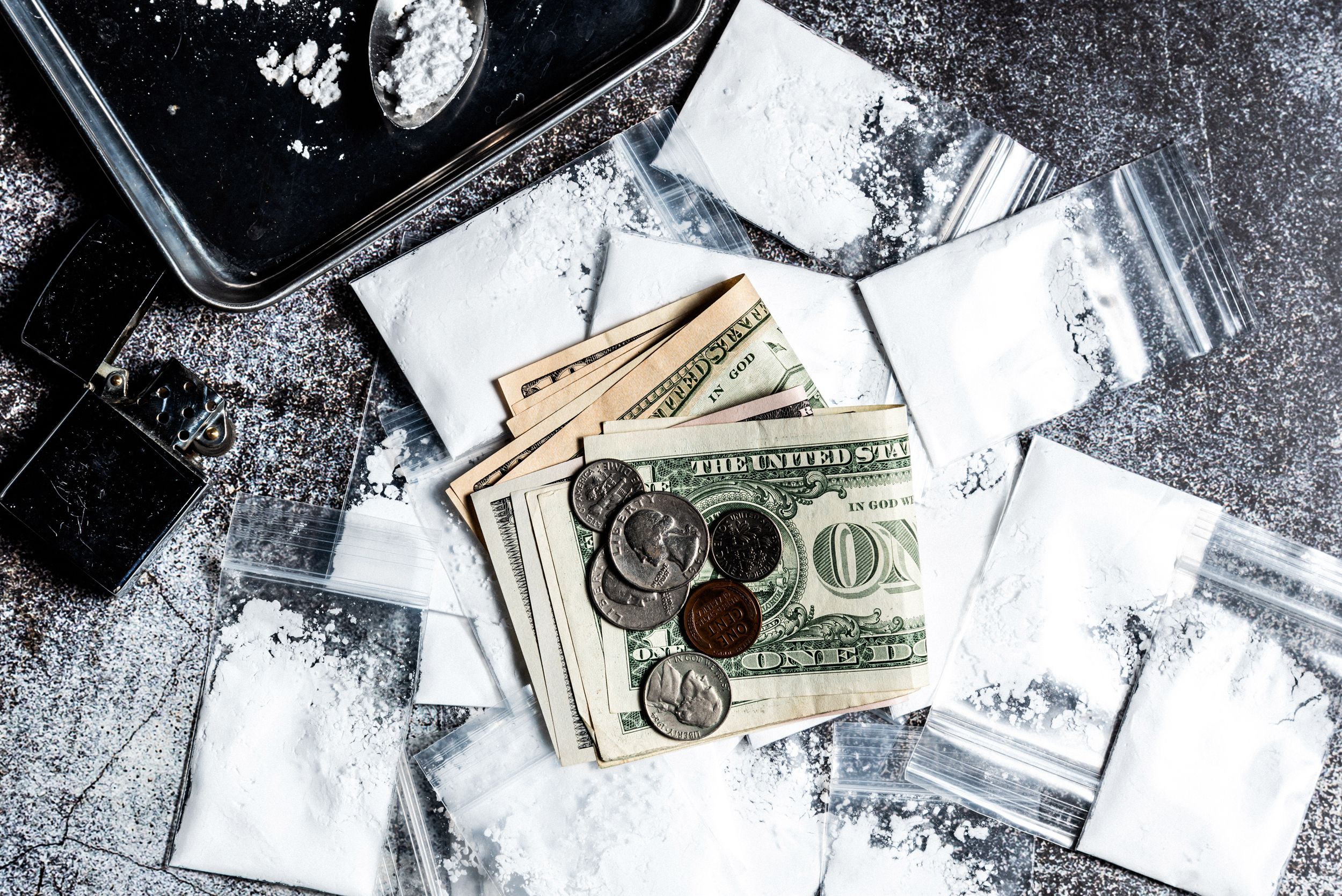
The rise of social commerce on Instagram has birthed an unexpected subgenre of advertising, where luxury accessories blur the line between lifestyle products and drug paraphernalia. Recent investigations reveal a pattern of marketing that leverages sleek design and subtle slang to promote items seemingly intended for cocaine consumption, while publicly denying any illicit purpose.
The Aesthetic of Ambiguity
Instagram feeds now feature products like magnetic leather pouches labeled “Wildcard” and designer straws marketed alongside hashtags such as #discreetbumps. These items are styled to evoke exclusivity—neon nightlife gear, minimalist packaging, and curated lifestyle imagery—all while their real-world utility leans toward illicit drug use. Brands employ coded language like “electrolytes” or “snacks,” creating deniability in plain sight.
Legal Gray Zones and Platform Policies
Meta’s advertising rules explicitly ban illicit substances, yet these accessories slip through enforcement gaps by framing products as “multi-use” or “stylish.” Companies like Magic Items and Snogo maintain plausible deniability, emphasizing compliance while their imagery caters to a subculture familiar with such goods. Meta has acknowledged investigating violations but continues to allow ads pending further review.
Cultural Shifts and Consumer Appeal
The trend mirrors broader societal normalization of once-stigmatized substances, paired with a demand for premium accessories. From leather wallets doubling as snorting devices to stainless-steel straws marketed as “cacao essentials,” the intersection of tech, luxury, and illicit markets reflects evolving consumption habits. Even beverage brands like Soft Landings reference club drugs in campaigns, leveraging British slang (“bender”) to tie drinking culture to drug use.
The blurred boundaries challenge regulators, creators, and users alike. As platforms refine policies and consumers grow savvy, one question persists: how long can brands exploit ambiguity before societal and legal safeguards intervene?
Key Trends and Takeaways
- Subtle Branding: Products use discreet slang (e.g., “Wildcard”) to signal drug use without explicit claims.
- Luxury Aesthetics: High-end design masks utilitarian purposes, appealing to aspirational buyers.
- Platform Loopholes: Meta’s policies lag behind nuanced marketing tactics, enabling temporary evasion of bans.
This evolution underscores the need for stricter digital advertising standards as social media remains a primary channel for niche markets and cultural trends.