Turning Point USA founder Charlie Kirk recently sparked controversy by telling his online followers that no form of legal immigration has displaced American workers as much as those from India, writing, "Enough already. We're full." This comment arrived just nine days before a violent shooting left two students dead on a Georgia campus. The rhetoric targeting South Asians has been simmering for years within specific segments of the conservative movement, creating a complex landscape for MAGA Indians who support the movement.
This growing hostility stems from a worldview that defines "true American" identity strictly through heritage and religion. To these groups, any deviation represents an existential threat to the nation's core values. While Donald Trump's campaign positioned itself as pro-immigration yet anti-illegal immigration, many Indian Americans viewed this distinction as a shield against the rising tide of white nationalist rhetoric circulating on platforms like X and YouTube.
High-Profile South Asian Figures in the Trump Administration
Despite the online vitriol, the current administration boasts a roster of high-profile South Asian appointees occupying critical roles. These individuals are expected to uphold civil rights while navigating an environment where hate speech against their communities is increasingly normalized.
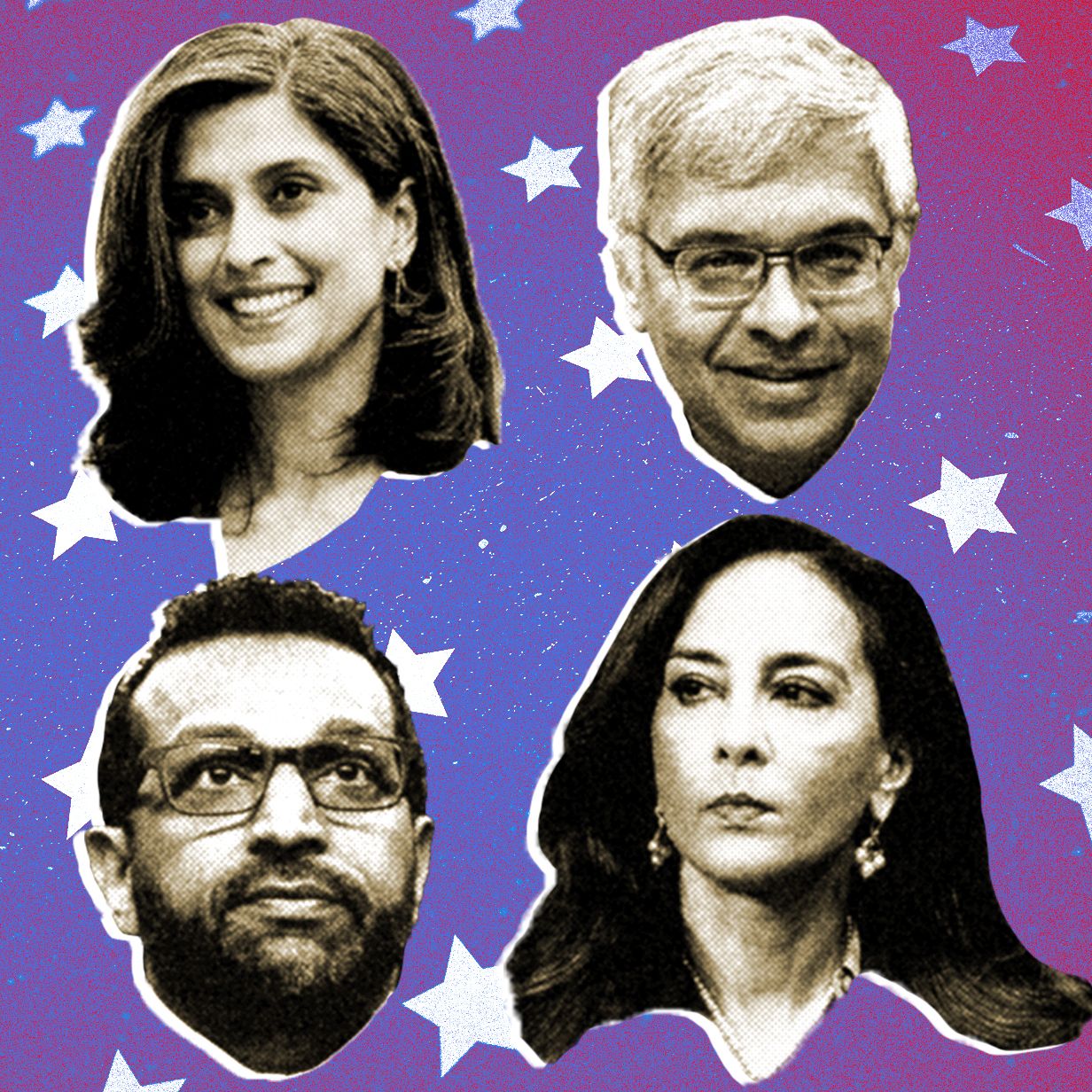
Key figures in the administration include:
- Usha Vance, Second Lady
- Kash Patel, FBI Director
- Harmeet Dhillon, Assistant Attorney General for Civil Rights
- Jay Bhattacharya, National Institutes of Health director
The tension within the movement is further evidenced by recent clashes involving prominent conservative figures. For instance, Vivek Ramaswamy faced direct grilling from white students at Montana State University regarding his Hindu faith and cultural background. Additionally, long-time conservative commentator Dinesh D'Souza became a target of anti-Indian racism after decrying "Groyperism."
The Rise of Groyperism and Identity Politics
The vitriol directed at MAGA Indians faces little legal consequence in online spaces where white nationalist movements thrive. The Groyper movement, led by Nick Fuentes and his supporters, embraces the idea of a "heritage American"—a concept positing that only those descended from white Christians can claim full citizenship.
This ideology has successfully infiltrated mainstream conservative discourse. It has created an environment where racial slurs are lobbed at politicians and citizens without significant pushback from party leadership. Vivek Ramaswamy addressed this phenomenon in a New York Times op-ed titled "Groyperism Isn't Conservatism. It's Anti-Americanism." He noted that even the racism he faces is often blamed on progressives for failing to stop it, arguing that white nationalist groups have rebranded segments of the right-wing spectrum.
Economic Anxiety and the H-1B Visa Debate
The H-1B visa program remains a primary focal point for this manufactured resentment. In 2024, roughly 80,000 new petitions were approved for Indian workers, primarily in the technology sector. "Sidharth," a conservative tech entrepreneur and Elon Musk superfan, notes that misinformation spreading through YouTube and X has convinced suburban Americans that legal immigrants are preventing native-born citizens from building livelihoods.
This sentiment is driving significant policy shifts at the state level:
- Abraham George, Texas Republican Party chairman, called for the state to ban hiring workers on H-1B visas.
- Florida Governor Ron DeSantis has pledged to eliminate such hiring at universities through the program.
- Texas Governor Greg Abbott has also pledged to eliminate such hiring in government agencies.
A Growing Divide Within the Movement
White House deputy press secretary Kush Desai stated that Indian Americans were an important bloc in the historic coalition that reelected President Trump in 2024. However, many within the South Asian community find it difficult to reconcile this claim with the online rhetoric they encounter.
The situation creates a paradox where Indian collaboration with a party that sometimes traffics in white nationalist imagery seems contradictory. Anang Mittal, a creative strategist who worked for several Republicans and served under House Speaker Mike Johnson, observed that after Trump's victory, many people began looking for the next enemy, identifying Indian Americans as the target.
Mittal, who was born in India and voted for Trump twice before his resignation, estimates that the newest target includes MAGA Indians and conservatives who previously supported the party. He noted that South Asians in top roles are part of a government that has made opposition to diversity a marquee issue, bolstered by influencers warning of an "Indian invasion." This shift reflects a deeper anxiety about demographic change, where the "model minority" myth has flipped into a perceived threat by groups claiming Indians are assimilating to steal well-paying jobs.