NYC Mayor Zohran Mamdani takes to Twitch to chat with New Yorkers
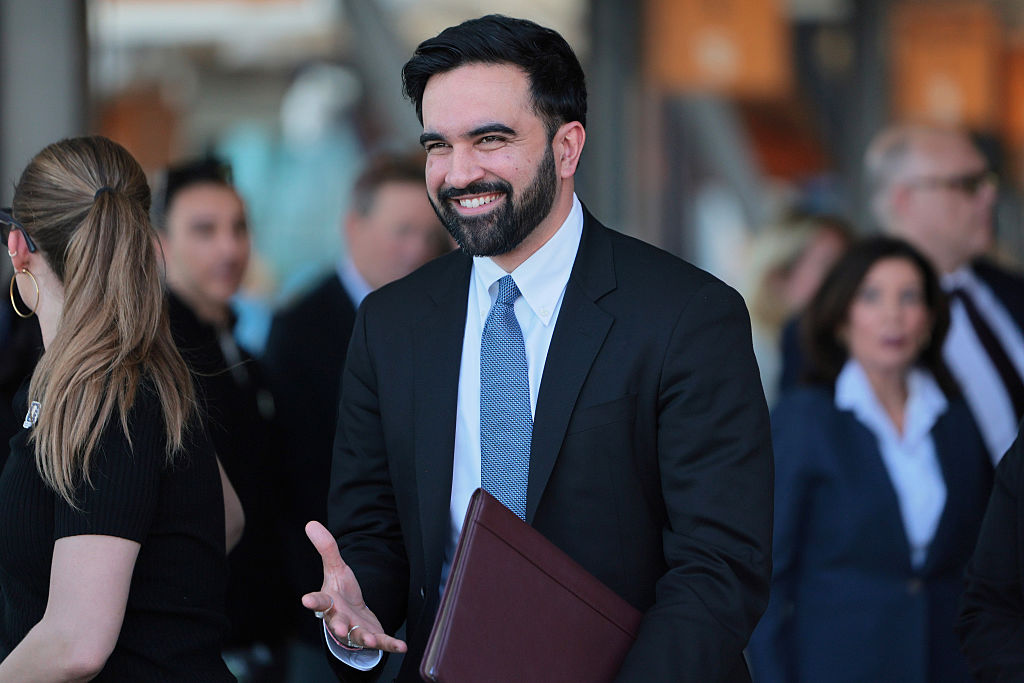
The digital echo of a crowd’s questions reverberates through the chat window, an immediate, uncurated torrent of keystores that demands an answer. Established town halls feel increasingly distant from the lived reality experienced by younger demographics navigating modern urban life. In this shifting landscape, NYC Mayor Zohran Mamdani takes to Twitch to chat with New Yorkers, signaling a fundamental change in how civic discourse is conducted.
This move represents more than just marketing savvy; it reflects an understanding of where civic attention currently resides. By anchoring a public forum on Twitch, Mamdani is bypassing traditional broadcast gatekeepers to engage directly with an audience accustomed to unfiltered content consumption. The mechanics of politics have shifted, and influence is now manufactured in real-time on platforms designed for entertainment and immediate interaction.
The Migration of Politics to Streaming Platforms
The adoption of Twitch as a venue for political dialogue is noteworthy. Far removed from its origins in gaming culture, streaming has proven itself a potent, volatile space for live commentary. Figures across various sectors now treat political discourse as performance art, forcing politicians to shed decades of careful PR scripting.
This convergence on streaming platforms favors immediacy over polish. The strategy behind Mamdani’s Twitch residency relies on several key factors:
- Authenticity over polish: Viewers expect genuine engagement, even if that authenticity is carefully curated.
- Cross-platform simulcasting: Broadcasting on YouTube, TikTok, and other networks maximizes reach across fractured attention spans.
- Direct address: The goal is to minimize the perceived distance between City Hall and the citizen's screen, creating a sense of singular addressability within the infinite scroll of digital feeds.
Echoes of History: From Fireside Chats to Live Chat Streams
Mamdani’s new series draws deliberate comparisons to historical broadcast moments, specifically Franklin D. Roosevelt’s fireside chats and Fiorello LaGuardia's "Talk with the People" radio segments. This is a calculated masterstroke of public relations, anchoring a modern, ephemeral digital event in a lineage of perceived directness between ruler and ruled.
While Roosevelt commanded attention through the intimacy of the radio wave reaching every home, Mamdani seeks that same connection within the chaotic environment of live chat streams. The core objective remains constant: bridging the gap across decades of media evolution to foster a direct line of communication with constituents.
Building Digital Momentum in Urban Politics
Mamdani’s political trajectory has been intrinsically linked to his mastery of social media mechanics. His early career established a reputation as an accessible, "chronically online" voice capable of translating complex policy—such as housing affordability or transit reform—into easily digestible viral content. This digital fluency is not incidental; it is foundational to his current political brand.
The sheer scale of his combined social media following speaks volumes about this strategy. The ability to generate engagement through short, pointed video explanations proved far more potent for mobilizing younger voters than traditional mailers or op-eds ever could. This established groundwork allows the Twitch launch to feel less like a novel experiment and more like a logical escalation of an existing communication model.
The verdict suggests that the era where politicians communicated primarily via press releases is definitively over. The successful politician today must be, first and foremost, a skilled digital broadcaster. Mamdani’s presence on Twitch solidifies this new paradigm: governance now requires not just policy expertise, but fluency in streaming culture, recognizing that visibility means inhabiting the platforms where spontaneous conversation—and dissent—actually occurs.