Transforming Passive Listening into Active Engagement
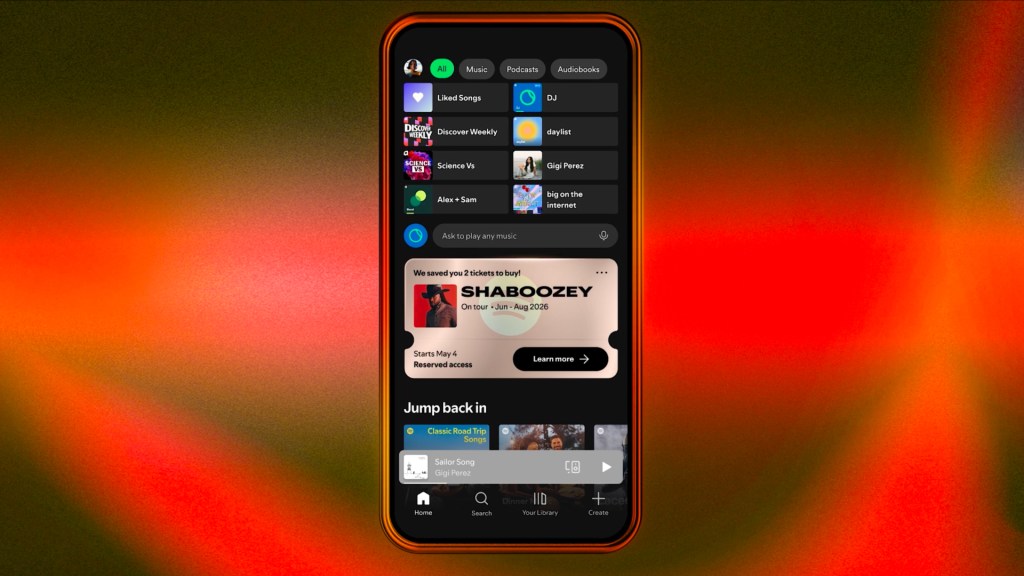
Spotify has fundamentally re-architected how users interact with audio content by introducing AI-powered Q&A and briefing generation features to podcasts. This update shifts the consumption model from passive listening to active interrogation, effectively turning audio streams into searchable knowledge databases.
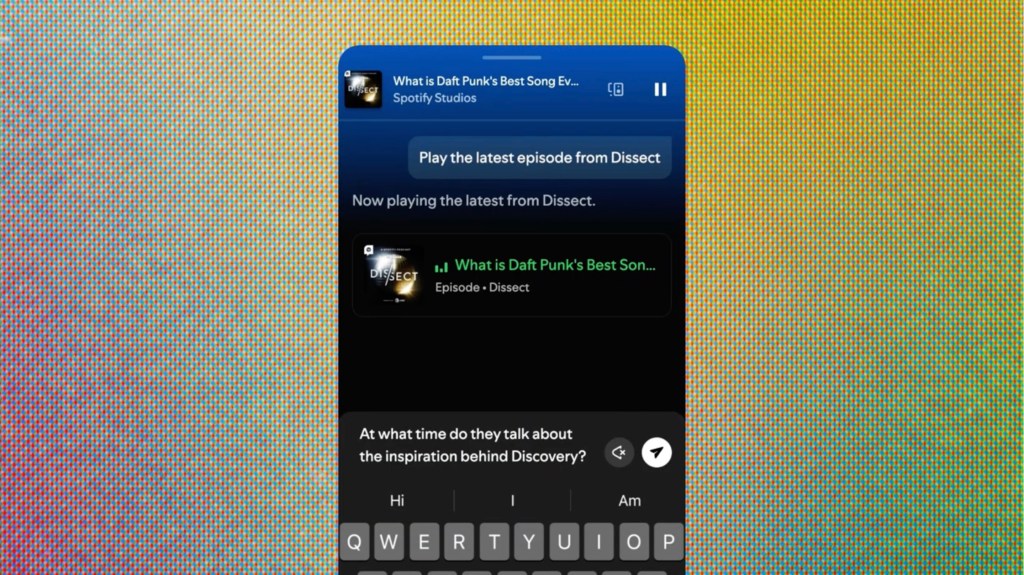
The new interface places an interactive query box directly within the playback window. This allows users to interject questions about a segment just heard or a concept vaguely mentioned in passing. By allowing immediate contextual questioning, Spotify is transforming the podcast discovery and engagement loop within its app ecosystem.
This rollout addresses one of podcasting’s perennial weaknesses: ephemerality. A brilliant insight delivered during a two-hour deep dive can easily slip away, only to be recalled later through vague memory or an inaccurate search query months down the line. The AI acts as a perfect, tireless note-taker and subject matter expert simultaneously.
Beyond Playback: The Rise of Personal Podcasts
The most radical departure from Spotify’s historical role as a mere aggregator is the introduction of Personal Podcasts. This functionality moves the platform from being a portal to becoming a generative content engine for its users.
Instead of relying solely on established creators, users can now prompt the system to build entirely bespoke audio narratives based on specified interests or external documentation. This capability suggests a move toward deep synthesis of disparate sources into an audible format.
Key elements defining this new generative layer include:
- Custom Voice Selection: Users can choose a specific voice persona, adding a layer of personal branding and believability to machine-generated content.
- Topic Depth Control: Listeners can request high-level overviews (e.g., "Understand economics in five minutes") or deep dives, tailoring the intellectual load to their current context.
- Direct Integration: Companion tools, such as the Studio by Spotify Labs desktop app, connect to email and calendars, making this briefing service inescapable across daily digital routines.
The ability to feed the AI contextual data—by attaching PDFs, uploading links, or feeding raw text—is critical here. Furthermore, users can schedule these briefings for recurring consumption, designing a personalized news digest that updates daily on local events or complex geopolitical shifts relevant only to them.
Interrogating Audio Content with Contextual Q&A
The rollout of the Q&A feature for Premium subscribers in select territories mimics the utility of advanced search engines applied directly to spoken word. It offers answers on specific concepts rather than just pointing the listener toward related episodes.
This is a clear effort to keep users tethered within the Spotify application environment, preventing informational leakage to competitor platforms. This tactical move mirrors Google’s own advancements in conversational AI interfaces across other media types.
While early adopters will undoubtedly appreciate the ability to ask, "What were those statistics on urban runoff again?" during a listening session, the underlying tension remains: how much genuine human curation is required when a machine can synthesize an entire educational module from disparate data points?
Creator Tools and Platform Monetization Shift
The changes are not solely aimed at consumption; creator enablement forms an equally robust pillar of this overhaul. By formalizing sponsorship management tools and introducing mechanisms for creators to charge subscriptions for exclusive content, Spotify is rapidly evolving into a full-spectrum digital storefront.
This signals a maturity in the platform’s understanding of creator economics. The integration mirrors established models across social media platforms, where gated or premium access drives recurring revenue. For established podcasters, this provides predictable new income streams alongside existing ad revenue.
The move is strategic: make it harder for creators to leave and easier for listeners to stay subscribed. The true test of this feature set won't be its initial release fanfare, but rather its long-term ability to maintain trust—ensuring that the AI-generated briefing feels informative and genuinely insightful, not merely comprehensive filler designed purely to increase session time.