Spotify’s New Ticketing Strategy: Rewriting the Rules for Top Fans
Spotify is fundamentally reshaping the connection between digital streaming and live music attendance. By reserving concert tickets for top fans, the platform is leveraging its vast behavioral data to create a controlled scarcity model. This initiative transforms mere streaming metrics into tangible assets—actual seats at sold-out venues—signaling that engagement depth, not just total stream volume, now dictates access rights in the live music economy.
This move alters the transactional relationship between digital consumption and physical attendance. It is no longer enough to simply listen; sustained interaction is becoming a form of digital patronage that pays dividends at the gate.
Algorithmic Gatekeeping and Fan Status
The criteria for being deemed a "top fan" are deliberately opaque yet highly measurable by Spotify’s internal metrics. The platform will assess activity through streams, shares, and other quantifiable signals of dedication. This system serves a dual purpose: rewarding genuine affinity while actively filtering out bot activity and speculative ticket buying.
The mechanism relies on a calculated imbalance. As Spotify notes, "There will be significantly more superfans than there are seats available on a tour." This inherent scarcity ensures that the invitation to purchase tickets becomes an exclusive status symbol for the most dedicated segment of the user base.
Key aspects of this eligibility include:
- Verification of Human Interaction: Sustained engagement is weighted heavily to distinguish real fans from automated accounts.
- Phased Rollout: The initial focus is on select artists and tours, suggesting a gradual expansion across the industry’s live infrastructure.
- Data-Driven Selection: The system uses a rolling period to identify the top 1-2% of listeners by play count.
De-Escalating the Scalper Problem Through Exclusivity
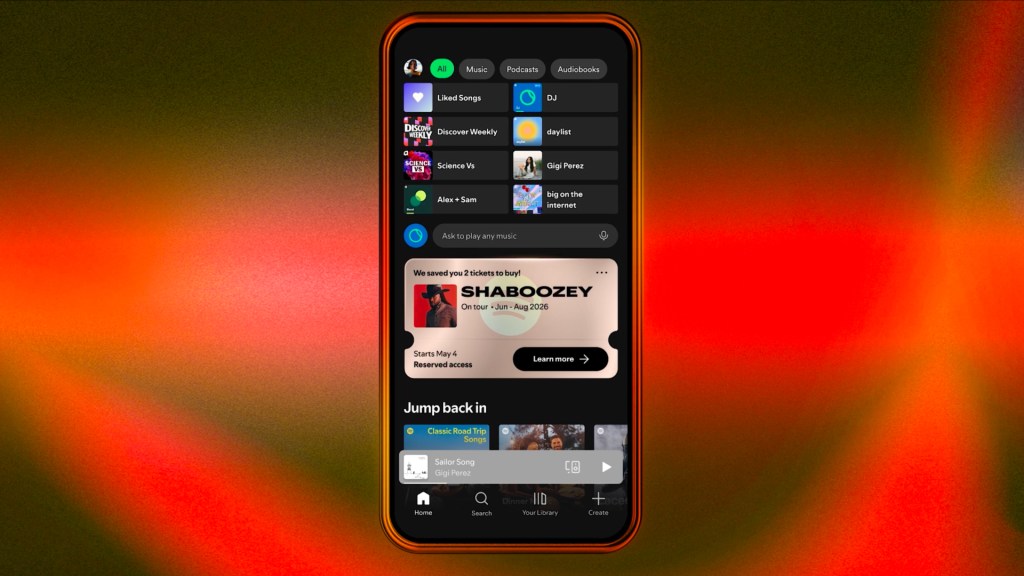
A notable component of this system is its stated function in curbing secondary market abuses. By directing access exclusively to validated fans via an invitation mechanism—email and in-app notifications—Spotify aims to create a direct pipeline from stream listener to ticket purchaser. This intervention attempts to reclaim initial revenue streams previously lost to scalpers and bot farms.
The process for the user is clearly defined, though restrictive:
- Age and Location Requirements: Eligibility requires being 18+ and located in the U.S. at launch.
- Targeted Notifications: Offers are presented through specific communication channels, ensuring only eligible users are notified.
- Partner Purchases: Purchases must occur on a partner’s website, positioning Spotify as the facilitator rather than the primary seller.
This multi-step gating process creates high friction for bad actors, effectively turning fan status into an audited credential required for entry.
The Economic Implication: From Data Point to Revenue Stream
Historically, platform metrics like monthly listeners were treated as vanity indicators of reach. This new ticketing integration proves that the most valuable data point is lifetime engagement value. A super listener is now quantifiable not just in streams, but in potential ticket revenue.
This shift forces artists and managers to fundamentally recalibrate their digital marketing efforts. Instead of chasing broad playlist placements that yield one-time spikes, the focus must pivot toward building sustained, deep interaction patterns with core users. The measurable return is clear: a dedicated super fan represents significantly more predictable economic value than dozens of casual, single-use streamers.
For the industry, this marks a maturation point where the digital streaming platform actively participates in and monetizes the physical live experience. Cultivating a consistent base of highly active fans becomes a critical infrastructure investment, comparable to touring promotion itself. The future demands that artistry is not just heard, but validated by continuous, deep engagement across all available touchpoints.