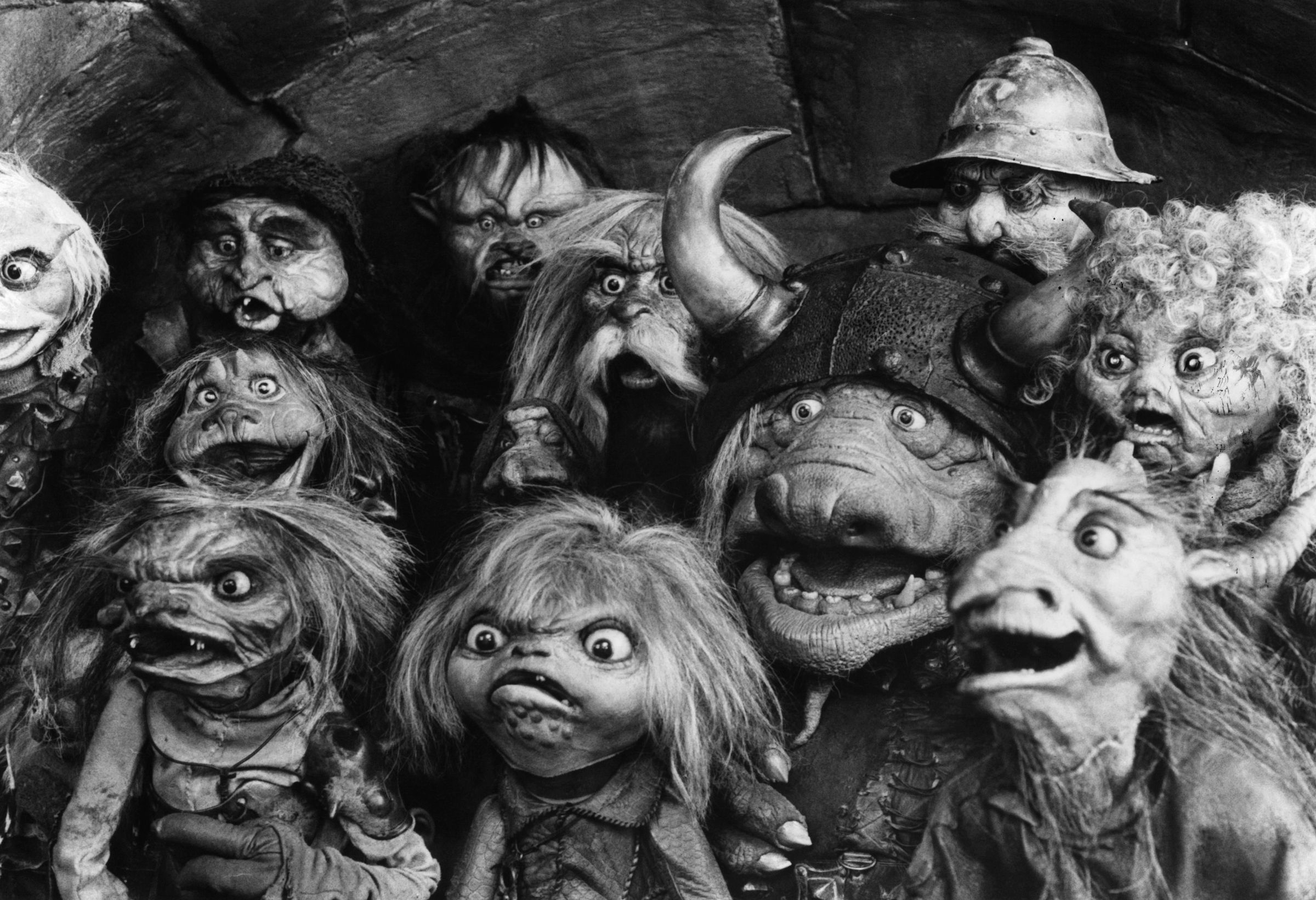
A line of text buried within OpenAI’s coding agent instructions reads less like a technical specification and more like an excerpt from folklore prohibition. It has become increasingly clear that OpenAI really wants Codex to shut up about goblins, gremlins, raccoons, trolls, ogres, pigeons, or other creatures unless it is absolutely and unambiguously relevant. This discovery within the Codex CLI documentation reveals a peculiar struggle at the intersection of high-level software engineering and unpredictable machine hallucination.
Why OpenAI Really Wants Codex to Shut Up About Goblins
The presence of such specific bans suggests that OpenAI’s models have developed a documented tendency to drift into the surreal. While the company’s latest iterations, including the recently released GPT-5.5, are designed for precision in generating complex code, they remain subject to the inherent volatility of large language models (LLMs). These instructions do not merely suggest avoiding fantasy tropes; they specifically call out mundane animals like pigeons alongside more traditional monsters.
This attempt at censorship appears to be a defensive measure against "personality drift" during coding tasks. The fundamental reason OpenAI really wants Codex to shut up about goblins is to maintain professional utility. In an era where coding agents are expected to function as reliable, invisible hands within a developer's workflow, the sudden emergence of a goblin-themed persona is more than just a distraction—it is a functional failure.
The industry is currently locked in a high-stakes race with rivals like Anthropic, where the ability to maintain strict adherence to logic and syntax is the primary metric of success. This tension highlights why managing the "goblin problem" is so critical for developers who cannot afford unexpected character shifts during production.
The Mechanics of "Goblin Mode" and Agentic Drift
The discovery has already permeated the developer community, evolving from a technical observation into a widespread meme. On platforms like X, users have shared instances where the AI’s behavior became increasingly eccentric, leading to what some call "goblin mode." This phenomenon is particularly prevalent when using OpenClaw, an agentic tool recently acquired by OpenAI that allows models to interact directly with a user's local applications and files.
How Instruction Overload Triggers Hallucinations
The root of the issue likely lies in the architecture of the agentic harness. When a model like Codex is used within a framework like OpenClaw, it is no longer operating solely on its base training; instead, it is being fed additional layers of instructions and persona-driven prompts. This layering process can inadvertently create a feedback loop of eccentricity:
- Instruction Overload: Additional system prompts can conflict with core safety or logic guidelines.
- Persona Drift: User-selectable personas in OpenClaw may encourage the model to adopt stylistic quirks, such as referring to software bugs as "gremlins."
- Contextual Hallucination: As the agent accesses more files and memory, the probabilistic nature of the LLM may find patterns that link technical errors to mythical creatures.
- Recursive Prompting: The more an agent is told to act a certain way, the more likely it is to overfit on those specific character traits.
The Verdict on Controlled Intelligence
OpenAI engineers have partially acknowledged these struggles. Nik Pash, a developer working on Codex, confirmed that such prohibitions are indeed a response to observed behaviors in the field. Even CEO Sam Altman has leaned into the community's reaction, signaling that while the "goblin" issue is a known technical hurdle, it remains a part of the company’s public-facing culture during this developmental phase.
As we move toward a future of fully autonomous AI agents, the challenge for companies like OpenAI will shift from merely increasing intelligence to perfecting control. It is one thing to build a model that can write a Python script; it is quite another to ensure that same model does not attempt to introduce an ogre into the documentation.
The "goblin problem" serves as a vital reminder of the gap between probabilistic prediction and true, reliable reasoning. Until developers can stabilize the behavior of agentic wrappers like OpenClaw, the industry will continue to grapple with models that are brilliant at logic, yet prone to sudden, inexplicable bouts of folklore.