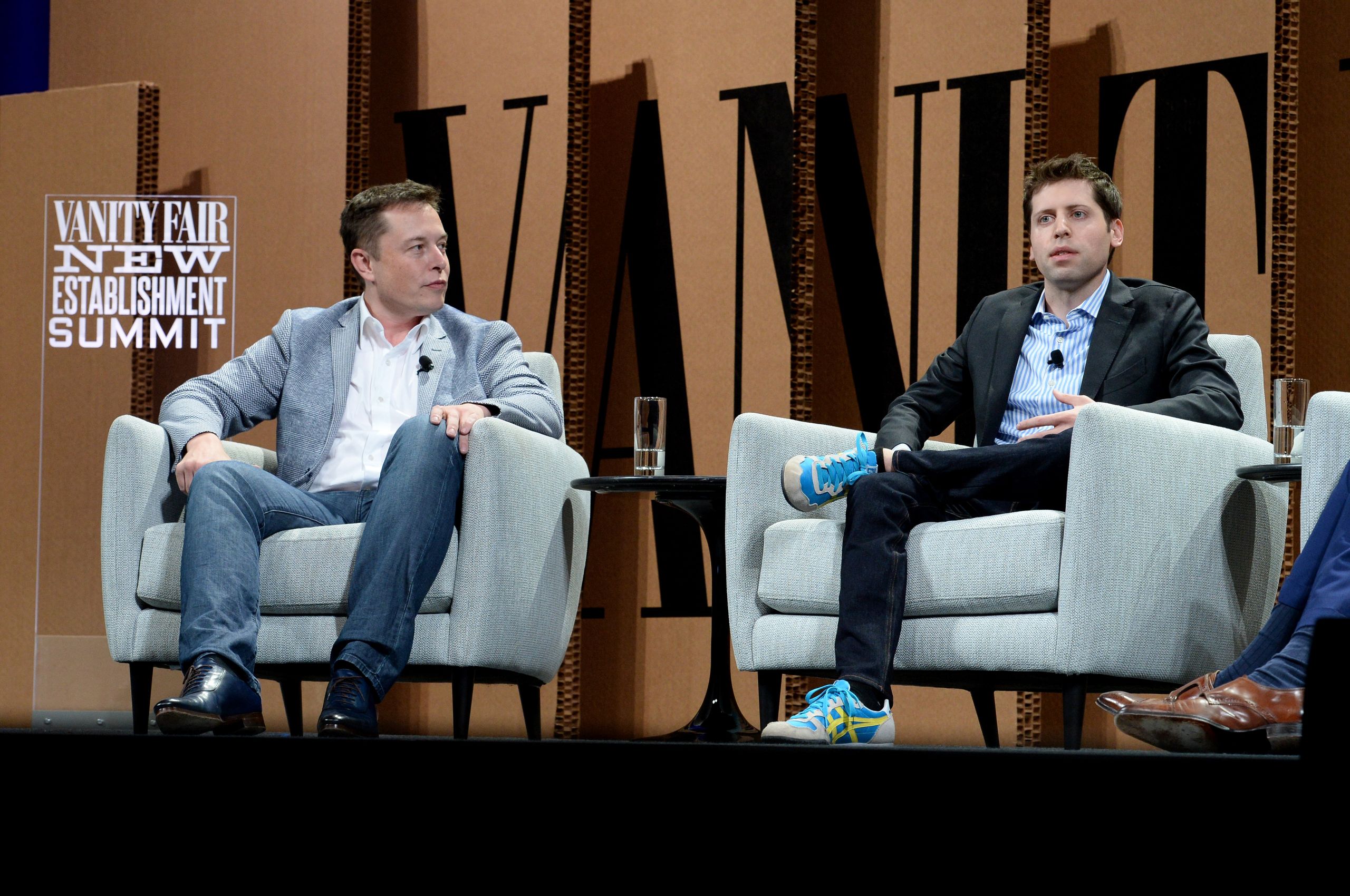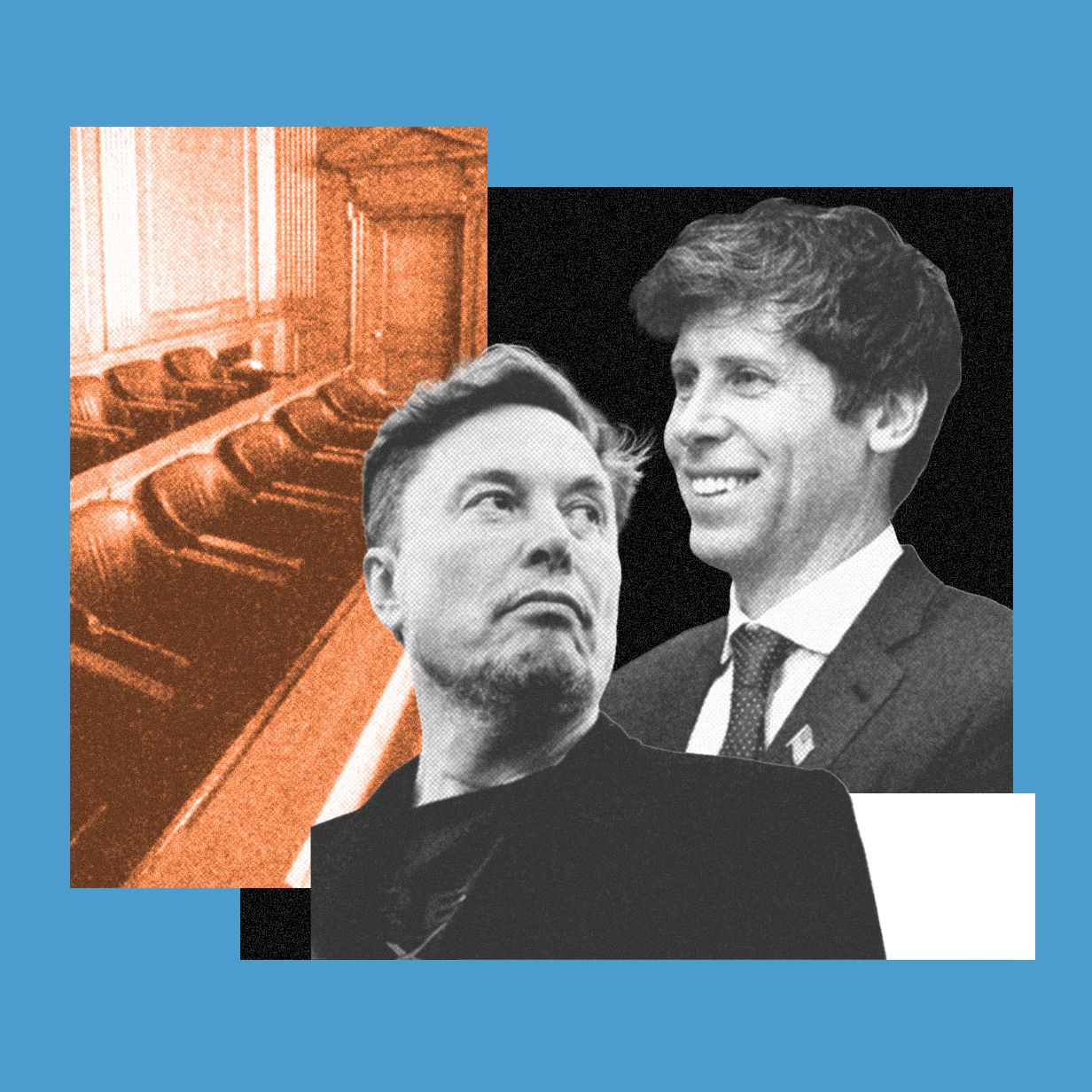
A federal courtroom in Oakland holds a striking paradox at its center. While the legal battle of MusK v. Altman seeks to define the future of artificial intelligence, the individuals tasked with determining the facts possess deeply personal reservations about both the technology and the plaintiff himself. This tension defines the opening days of this high-stakes litigation.
Jury Selection and Personal Bias in Musk v. Altman
The selection process for the nine-person jury revealed a significant divide between public perception and judicial impartiality. During questioning by Judge Yvonne Gonzalez Rogers, several potential jurors expressed negative views regarding Elon Musk’s persona and influence.
However, the court ultimately determined that these personal grievances did not disqualify them from serving. The judge ruled that the jurors could set aside their preconceptions to focus on the evidence presented in court. This highlights the difficulty of finding "neutral" ground when the litigants are global icons of the tech industry.
A Diverse Panel of Jurors
The resulting jury is a diverse assembly, far removed from the Silicon Valley boardrooms at the heart of the dispute. The group represents a cross-section of society, bringing varied professional perspectives to a case about technical and ethical mandates. This panel includes:
- A painter providing an artistic lens;
- A former employee of Lockheed Martin with experience in high-stakes engineering;
- A psychiatrist capable of analyzing complex human motivations;
- Several individuals expressing broader skepticism toward the rapid advancement of artificial intelligence.
Despite underlying tensions, the selected jurors assured the court of their ability to remain objective. Only one individual was dismissed due to an irreconcilable bias against Musk, leaving a panel that is aware of the controversy but committed to the facts.
The Battle for Narrative Dominance
The struggle for narrative dominance has spilled into both the digital sphere and the physical streets of Oakland. Outside the courthouse, demonstrators gathered to protest the accelerating AI race, calling for a global pause on development. Inside, journalists crowded overflow rooms to catch every audio snippet of the proceedings as the trial kicked off.
Elon Musk has utilized his social media platform, X, to aggressively shape the context of Musk v. Altman in real-time. On the first day of the trial, he amplified a recent investigation by The New Yorker regarding alleged deceptive conduct by Sam Altman. This tactical use of social media serves as a parallel legal strategy to win the "court of public opinion."
OpenAI has not remained passive in this information war. The company's official newsroom issued a direct rebuttal, characterizing the lawsuit as an attempt to undermine their mission to ensure Artificial General Intelligence (AGI) benefits all of humanity. This clash underscores that the case is about more than corporate governance; it is a battle for the foundational identity of the AI industry.
As opening statements and witness testimonies begin, the legal weight of the jury's role remains unique. Because the jury’s verdict will be advisory, with Judge Gonzalez Rogers retaining the final authority to make the ultimate call, the focus may shift from pure fact-finding to persuasive argument. The outcome hinges on whether the defendants can prove their transition toward a commercial model was legally permissible under the original non-profit mandate.