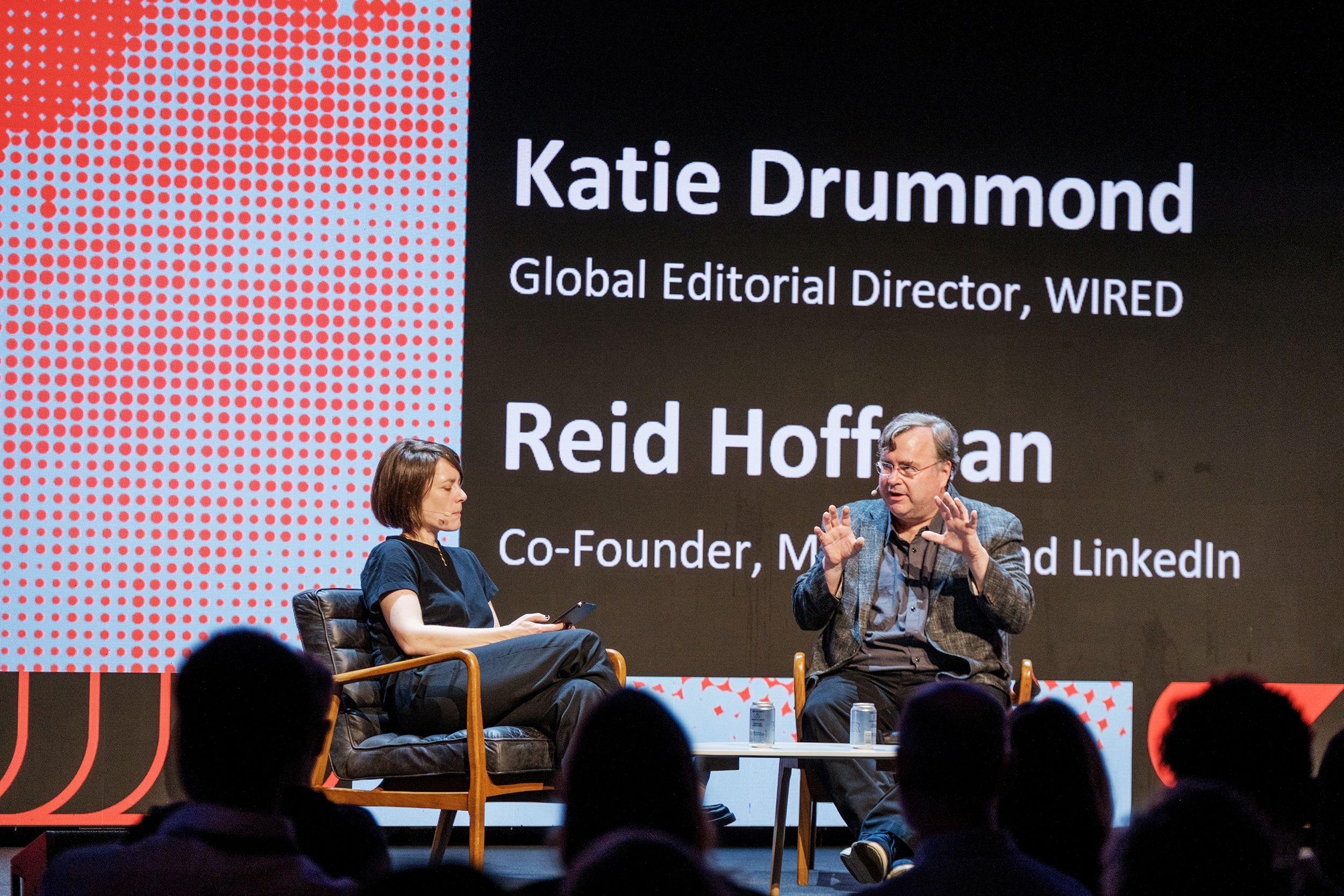
Frontier large language models have ingested trillions of words, encompassing a breadth of medical literature far exceeding the lifetime capacity of any single human practitioner. This massive data advantage is why Reid Hoffman thinks doctors should ask AI for a second opinion. During a recent appearance at WIRED Health in London, the LinkedIn co-founder and seasoned Silicon Valley veteran suggested that failing to utilize frontier models as a diagnostic tool is "bordering on committing malpractice."
Why Reid Hoffman Thinks Doctors Should Ask AI for a Second Opinion
The core of this argument rests on the idea of AI acting as an enhancer rather than a replacement. While human doctors provide essential clinical intuition and physical examinations, Hoffman argues that the scale of information in modern models provides "superpowers" to the practitioner. This perspective views generative AI not as an autonomous decision-maker, but as a sophisticated reference tool capable of flagging rare pathologies or obscure drug interactions.
The logic behind why Reid Hoffman thinks doctors should ask AI for a second opinion involves using these models to cross-reference massive datasets. However, this vision faces significant skepticism from the broader medical community. Recent studies have highlighted the risks of using large language models for medical inquiries, specifically their tendency to provide inaccurate or "hallucinated" information.
The challenge lies in determining whether the benefits of rapid data retrieval can outweigh the dangers of unverified clinical advice. Hoffman maintains that even if a doctor disagrees with an AI's output, the act of cross-referencing remains a vital safeguard against human error. Ultimately, Reid Hoffman thinks doctors should ask AI for a second opinion to ensure no stone is left unturned in patient care.
Reengineering the Pharmaceutical Pipeline with Manas AI
Beyond clinical diagnostics, Hoffman is applying this logic to the fundamental architecture of biotechnology through his new startup, Manas AI. The company aims to transform the traditionally glacial process of drug discovery from a decade-long endeavor into one that spans only a few years. By leveraging AI engines to identify novel targets for various cancers, the startup seeks to bypass much of the traditional trial-and-error methodology that plagues the industry.
The development process still relies heavily on human expertise to maintain scientific integrity. Alongside co-founder and CEO Siddhartha Mukherjee, Hoffman utilizes human judgment to sift through the proposals generated by their AI engine. This dual approach is designed to separate genuinely promising candidates from "bonkers stupid" suggestions that lack biological viability.
The ultimate goal for Manas AI is to expand research into rare diseases that have historically been too economically unfeasible for major pharmaceutical companies to pursue. As the technology matures, the industry may find itself at a crossroads where the risk of ignoring AI-driven insights becomes greater than the risk of integrating them.
Scaling Healthcare Infrastructure and Triage
The push for integration is particularly relevant in regions where healthcare infrastructure is currently failing. In the United Kingdom, the National Health Service (NHS) is grappling with chronic physician shortages and unprecedented waiting lists. Hoffman envisions a future where every smartphone serves as a primary point of contact, utilizing large language models to act as a free medical assistant or an early triage tool for patients.
The potential applications for AI in the healthcare ecosystem include:
- Automated triage to prioritize urgent cases in overstretched clinics.
- Rapid identification of drug candidates for rare, economically unviable diseases.
- Real-time cross-referencing of patient symptoms against massive medical datasets.
- Assisting regulatory bodies like the FDA in assessing the safety profiles of emerging biologics.
The path forward remains fraught with significant regulatory and ethical hurdles. Critics rightly point to the propensity for large language models to provide changeable or incorrect information, which could lead to catastrophic outcomes if left unchecked. The ultimate success of this transition will depend on whether we can build guardrails strong enough to harness these digital superpowers without compromising patient safety.