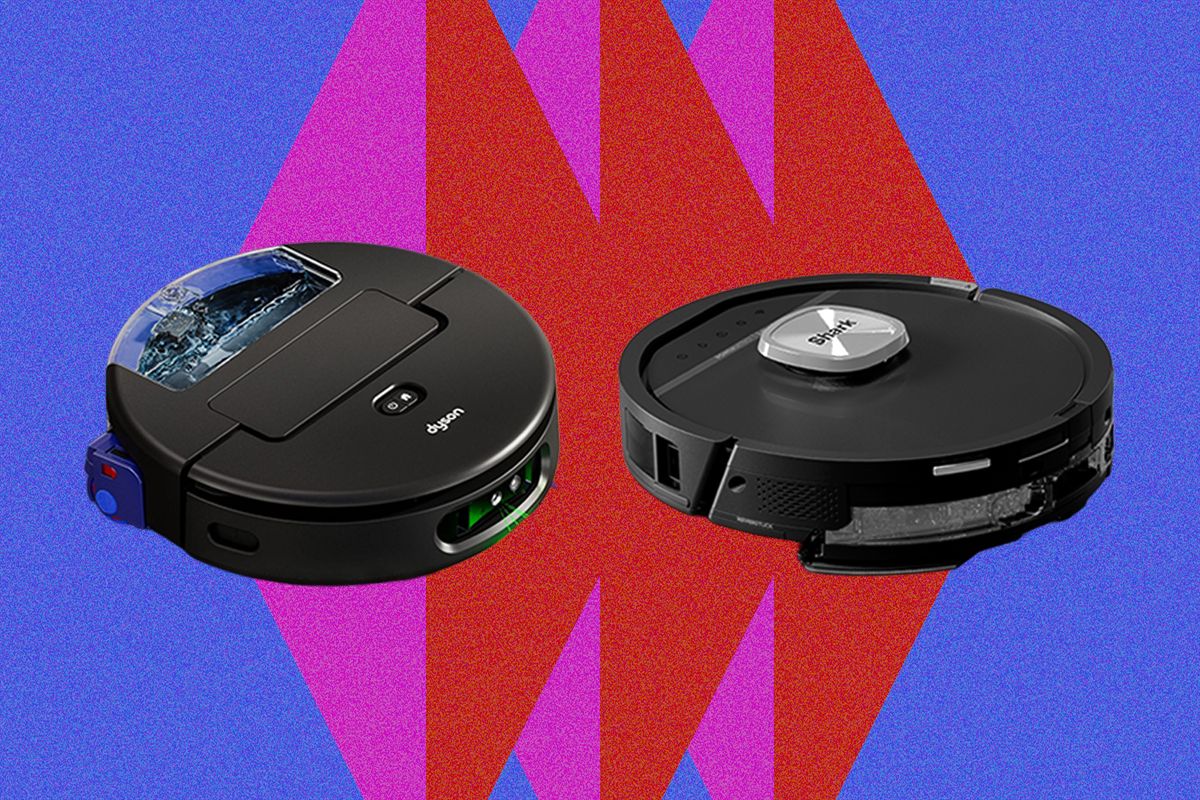
The era of the "dumb" robot vacuum—defined by randomized bumping patterns and frequent manual rescues—has officially transitioned into a sophisticated landscape of computer vision and autonomous decision-making. As manufacturers integrate high-fidelity sensors and machine learning, the industry focus has shifted from mere floor coverage to targeted, intelligent intervention. This evolution is at the heart of our latest Robot Vacuum Throwdown: Shark Versus Dyson (2026), featuring the Shark PowerDetect UV Reveal and the Dyson Spot+Stain Ai.
Engineering and Navigation in the Robot Vacuum Throwdown: Shark Versus Dyson (2026)
Effective cleaning requires more than just high-quality suction; it demands the ability to navigate complex domestic geometries. During our rigorous testing, the distinction between edge-cleaning capability and physical clearance became a deciding factor in this matchup.
Edge Cleaning vs. Physical Obstacles
The Shark PowerDetect UV Reveal utilizes an extendable brush system designed specifically to reach into deep corners and under furniture edges where debris often accumulates. In contrast, the Dyson Spot+Stain Ai struggled with certain architectural obstacles.
While its camera excels at avoiding low-profile objects like toys or furniture legs, its overall height proved problematic for navigating under standard kitchen toe kicks or lower bookshelf frames. This lack of clearance frequently resulted in the unit wedging itself in tight spaces, necessitating manual intervention to complete a cleaning cycle.
The NeverStuck Advantage
Shark's implementation of NeverStuck Technology further widened the gap between these two devices. This feature allows the unit to actively lift itself off obstacles that might otherwise trap a standard robot.
In scenarios involving unstable furniture or uneven surfaces, such as the legs of a C-shaped table, the Shark demonstrated a superior ability to maintain momentum. It successfully avoided becoming an immobilized piece of decor, a feat the Dyson struggled to replicate.
AI Transparency and Performance Results
The true differentiator in this generation of hardware is not just the presence of Artificial Intelligence, but how that intelligence communicates with the user. Both machines are programmed to identify specific stains and execute secondary scrubbing passes, yet their methodologies differ wildly.
The Shark PowerDetect UV Reveal employs an overt approach, using side-mounted LEDs to signal when it is scanning the floor with ultraviolet light. When a stain is identified, the Shark provides explicit feedback, even utilizing audible announcements from its base station to notify users of its intent to re-clean specific areas.
Testing with dried maraschino cherry juice revealed that while both machines initially struggled with heavy, dried-on layers, the Shark eventually succeeded through repeated, targeted passes. The Dyson experience is far more opaque; while its HD camera identifies stains with high precision, it lacks a way to communicate this process to the homeowner.
Performance Breakdown
- Corner Cleaning Winner: Shark PowerDetect UV Reveal
- Navigation Reliability Winner: Shark PowerDetect UV Reveal
- AI Communication Winner: Shark PowerDetect UV Reveal
- Stain Removal (Secondary Pass): Shark PowerDetect UV Reveal
- Hard Floor/Carpet Cleanliness: Tie
The Final Verdict
Choosing between these two high-end systems ultimately comes down to a preference for transparency and physical versatility. The Shark PowerDetect UV Reveal stands as the superior choice for most modern households, offering better edge cleaning, more reliable navigation through "NeverStuck" protocols, and an incredibly communicative AI interface. At a frequent sale price of $950, it provides immense value alongside its technical prowess.
The Dyson Spot+Stain Ai remains a formidable contender for those who prioritize high-end build quality and excellent carpet cleaning. However, its tendency to struggle with low-clearance furniture and its "mysterious" approach to stain detection make it a more difficult device to trust without constant supervision. As we move toward an era of fully autonomous home maintenance, the winner will be the brand that makes the technology feel less like a tool and more like a reliable, visible partner in household upkeep.