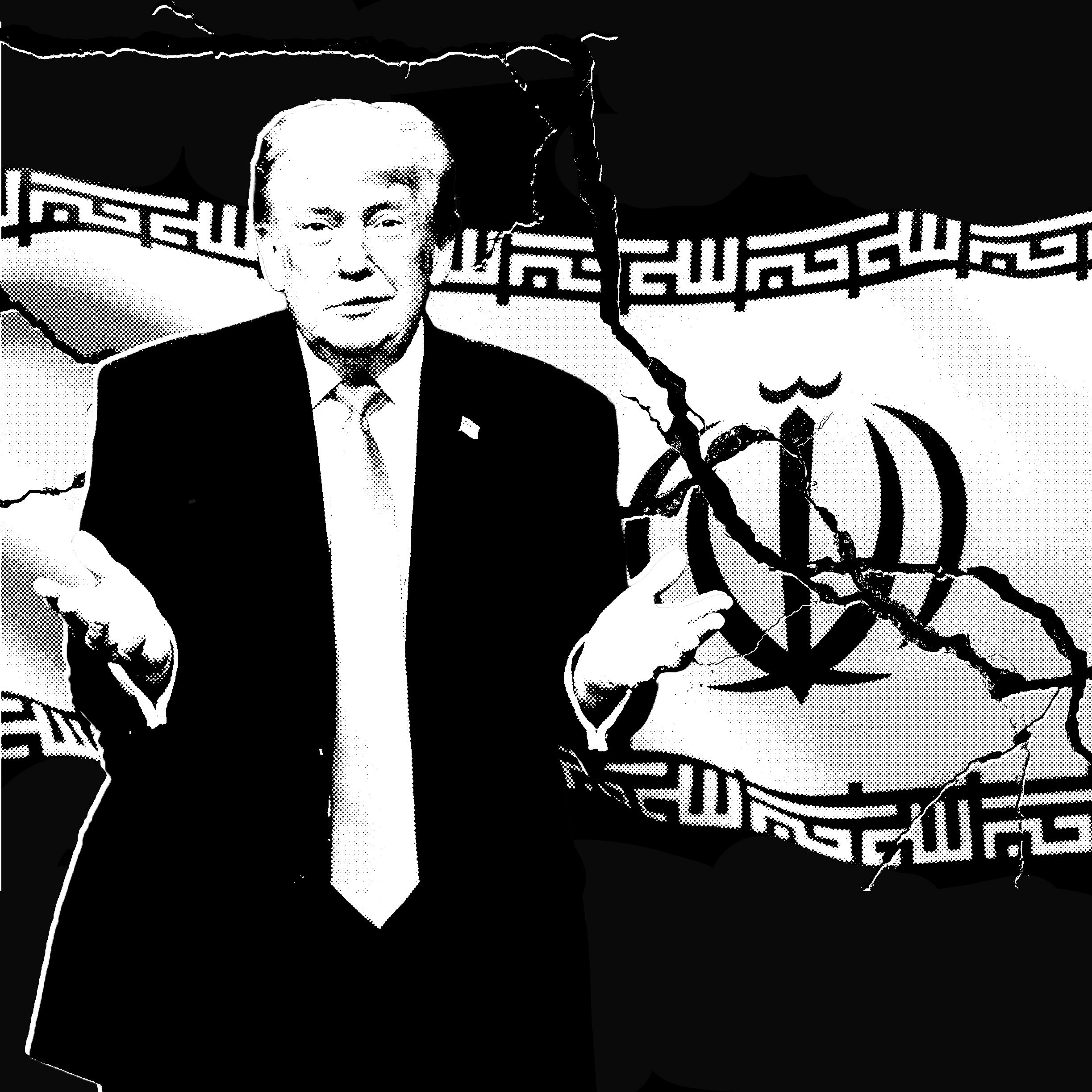
The diplomatic landscape surrounding the Iranian nuclear program is facing a massive transformation. What was once defined by high-stakes agreements and intense international scrutiny has shifted toward a period of fragile compromises and volatile internal politics within the U.S. administration.
Now, a new push is underway to revive a framework that closely mirrors proposals President Trump previously rejected. This effort isn't just about policy recalibration; it represents an urgent attempt to find strategic leverage in an increasingly unstable region.
The Struggle Over a "Cash for Uranium" Arrangement
The core of the tension lies in a tentative “cash for uranium” arrangement. Under this plan, the United States would unfreeze billions of dollars in Iranian assets in exchange for Tehran curbing its nuclear enrichment activities. While President Trump initially endorsed similar talks during meetings in Islamabad, the deal faced immediate-scale resistance.
Advisers warned that such a transaction risked making Iran look like a winner, receiving massive financial windfalls. This backlash mirrored the intense criticisms leveled against the original Obama-era nuclear deal, ultimately causing early diplomatic efforts to collapse and leaving both nations in a state of limbo.
Current proposals are attempting to rebrand these terms to make them more palatable. The new strategy focuses on:
- Highly enriched uranium stockpiles: Implementing strict limits on existing reserves.
- Enrichment moratoriums: Establishing a multi-year pause on new enrichment activities.
- Phased asset release: Offering limited sanctions relief through carefully timed mechanisms.
While the technical terms aren't drastically different from previous discussions, the strategic framing has changed. The goal is to present these financial incentives as necessary tools for compliance rather than simple concessions.
Internal Friction and the Iran Deal Negotiations
The decision-making process within Trump’s inner circle is currently defined by profound disagreement. The tension between pragmatism and political principle makes the future of any Iran deal incredibly difficult to predict.
Key figures are navigating different levels of engagement:
- Marco Rubio: Frequently absent from core negotiations due to other high-level responsibilities, signaling limited involvement in the latest rounds of talks.
- JD Vance: Serving as a principal negotiator, Vance is currently balancing heavy external pressures and competing political priorities.
While the Vice President has shown a willingness to engage in back-channel discussions, he remains skeptical about committing to large-scale financial transfers. This internal divide highlights the difficulty of finding a middle ground that satisfies both security hawks and those seeking economic stability.
The High Stakes of U.S. Foreign Policy
The success or failure of these negotiations carries weight far beyond bilateral relations between Washington and Tehran. A successful agreement could stabilize regional dynamics, reduce proliferation risks, and ease the pressure on European allies struggling with coordinated sanctions.
However, the risks of failure are equally significant. A collapse in talks could deepen international mistrust, prolong economic hardship within Iran, and embolden hardliners on both sides of the political spectrum. For Trump, the ultimate verdict likely depends on whether he believes there is enough political capital to endorse an agreement that looks so much like his predecessor's work.
As negotiation teams attempt to rebrand concessions as strategic wins, the administration’s ability to manage public perception will be the deciding factor. The coming weeks represent a critical inflection point where diplomatic finesse must meet political reality.