Samsung Movingstyle M7 Review: A Screen on Wheels
The landscape of home entertainment is shifting. Portable and multi-room displays have moved from niche novelties to mainstream necessities, driven by a generation that refuses to tether entertainment to a single wall. Samsung recognized this pivot with the Samsung Movingstyle M7, a device designed to dissolve the boundary between a computer monitor and a living room television.
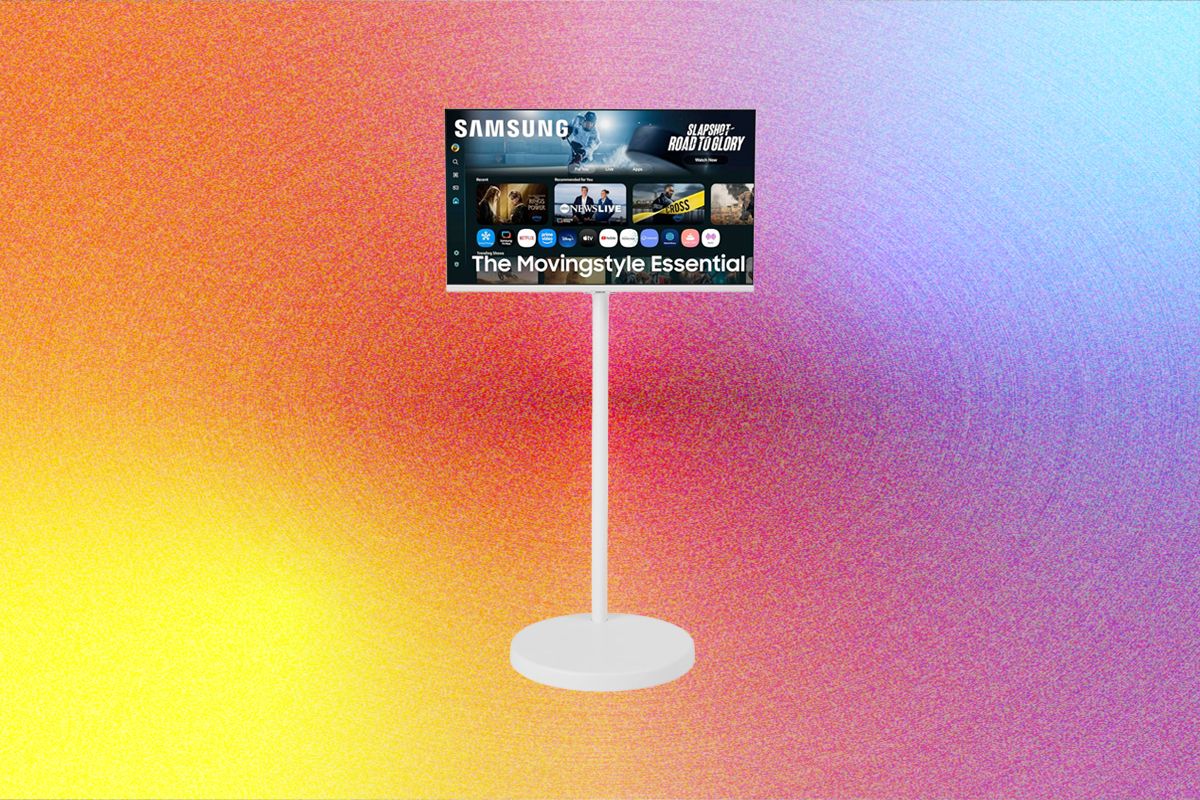
By mounting a 32-inch 4K panel on a sophisticated rolling chassis, Samsung is selling more than just hardware; it is selling spatial flexibility. For households prioritizing aesthetic minimalism or lacking the square footage for a dedicated media room, the promise of a large screen that can vanish into a closet or roll into the kitchen is a compelling architectural solution.
However, the execution reveals the inherent compromises of integrating high-end display technology into a mobile form factor. While the concept is sound, the reality of using a monitor-on-wheels in a real-world home environment exposes specific friction points regarding cable management, panel quality, and physical mobility.
The Mechanics of Mobility
The engineering behind the Movingstyle stand is its primary selling point. Unlike traditional TV carts that look industrial or bulky, this unit features a sleek, white aesthetic designed to blend into modern home decor. The base houses five caster wheels, effectively hiding the mechanics of movement behind a clean facade.
Setup is relatively straightforward, requiring the attachment of the monitor to the steel bar of the stand and the routing of the power cable through the internal channel. Once assembled, the adjustability is where the design shines:
- Tilt and Rotation: The monitor can be tilted and rotated, allowing users to position the display optimally whether facing a couch, dining table, or kitchen counter.
- Height Adjustment: While limited to an eight-inch range on the steel bar, this is sufficient to achieve eye-level viewing from a seated position.
- Mobility: The device rolls smoothly on hardwood floors, but users must plan outlet locations carefully due to the short power cable.
Despite the smooth rolling action, the device is not without physical limitations. The included power cable measures approximately 4 feet, 9 inches in length, which is shorter than standard desktop monitors. This constraint forces users to rely on extension cords, undermining the seamless mobility Samsung promises. Furthermore, the device is not designed for frequent vertical transport; moving it between floors of a multi-story home is impractical, and thick carpets or high-pile rugs can impede the wheels’ movement.
Tizen OS and the Smart Display Experience
The Movingstyle M7 runs on Samsung’s Tizen operating system, which transforms the monitor from a passive display into an active smart hub. This software layer allows the screen to function independently of a PC or laptop, providing direct access to streaming apps like Netflix, YouTube, and Disney+. For users who want a TV experience without the complexity of a smart TV’s bloatware, this interface is notably clean and responsive.
One of the standout features is the inclusion of Samsung TV Plus, a free, ad-supported streaming service. This offering includes live local television, sports, and on-demand content, effectively turning the monitor into a news station or background ambiance device without requiring a subscription. The interface intuitively guides users to this content, making it accessible with minimal effort. Switching between the smart OS and a connected device via HDMI is equally seamless, catering to users who alternate between gaming, work, and media consumption.
The audio experience is another unexpected highlight. The built-in speakers are surprisingly robust for a display of this profile, offering sufficient clarity and volume for casual viewing. While audiophiles will still prefer external sound systems, the onboard audio is adequate for everyday use, reducing the need for additional peripherals in a multi-room setup.
Panel Quality and Pricing Trade-offs
At the heart of the Movingstyle is a VA panel with 4K resolution. While 4K clarity is a significant upgrade over standard 1080p monitors, the VA technology brings its own set of compromises. The color accuracy and saturation are serviceable but not exceptional, falling short of the vibrancy found in IPS or OLED panels. Brightness levels, rated at 250 nits, peaked at around 310 nits in testing, which is adequate for dimly lit rooms but struggles in brightly lit environments.
The pricing strategy for the M7 is aggressive. With promotional prices hovering around $580 (down from a standard $700), it undercuts many competitors. However, this lower price point is directly responsible for the panel limitations. For similar money, consumers can purchase high-end OLED monitors that offer superior contrast, faster refresh rates, and better HDR performance. The trade-off, of course, is that those monitors do not come with the adjustable, rolling stand.
Samsung offers a more premium option in the form of the Movingstyle 27 M8, which features a 120Hz refresh rate, touch screen capability, and even a built-in battery. Priced at $1,200, this model addresses many of the M7’s shortcomings but at a significant cost increase. For users who need touch interaction for kitchen use or office collaboration, the M8 is a better fit. However, for those who prioritize screen real estate for media consumption, the 32-inch M7 remains a viable, if imperfect, choice.
The Verdict
The Samsung Movingstyle M7 is a clever solution to a specific problem: the desire for large-screen entertainment in a home that doesn’t support a permanent TV installation. It succeeds in its core mission of providing high-quality viewing in a mobile format, provided users accept the limitations of its panel and power constraints. It is not a replacement for a dedicated home theater, but for those who value freedom of placement above all else, it is a significant step forward in flexible display technology.