The original Steam Controller debuted in 2013 as a polarizing attempt to bring PC gaming to the living room. It relied on capacitive trackpads and gyroscopic aim to solve the problem of controlling a mouse-and-keyboard experience with a gamepad. It was ahead of its time, yet stranded by a market unwilling to abandon traditional analog sticks.
Thirteen years later, Valve has returned with a second iteration that refines this vision. It strips away the unwieldy ergonomics of the original in favor of a more conventional, hybrid design. However, the controller’s release highlights a peculiar gap in Valve’s current hardware strategy: a sophisticated peripheral arriving months, if not years, before the dedicated PC console, the Steam Machine, it was designed to accompany.
The Hardware Evolution
The 2026 Steam Controller retains the core philosophy of its predecessor—maximizing input density—but executes it with significantly more polish and modern sensor technology.
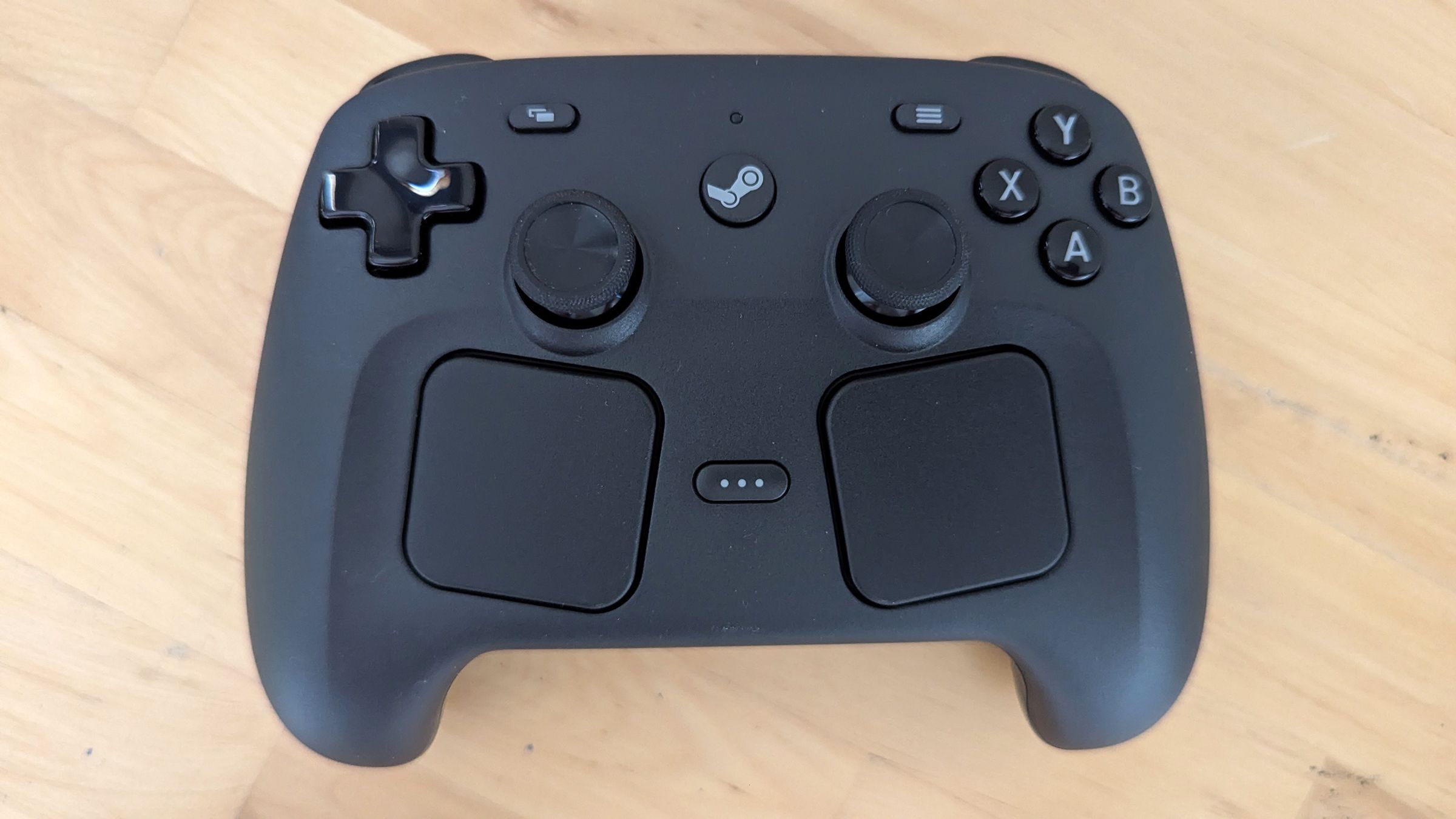
At $99, the device weighs a modest 292 grams, a dramatic improvement over the original’s bulk. Valve has adopted a hybrid aesthetic, combining the familiar ABXY face button layout of Xbox controllers with the symmetrical thumbstick arrangement of PlayStation pads. This decision bridges the gap between the two dominant console camps, allowing players to transition without relearning muscle memory for basic movement and shooting.
Superior Sensor Technology
The standout technological upgrade is the adoption of TMR (Tunnel Magnetoresistance) thumbsticks. Unlike the Hall effect sensors found in competitors like the Xbox Elite Series 2 or the PlayStation DualSense, TMR sensors offer greater precision and durability.
- Durability: They are less susceptible to the "stick drift" that has plagued the industry for years.
- Precision: They provide a more reliable tactile experience over time.
- Extra Input: The sticks are clickable and feature capacitive touch sensors, adding another layer of potential input without cluttering the face of the controller.
Beyond the sticks, the controller crams in a quadrant of extra buttons on the underside of the grip, an accelerometer, and a gyroscope for motion controls.
The Trackpads Reimagined
The most distinctive feature remains the pair of trackpads located on the lower half of the device. These are not the friction-heavy pads of the 2013 model but refined versions that offer their own haptic feedback. As the thumb rolls across the glass, a subtle tingle provides sensory confirmation of movement, effectively turning the controller into a precision mouse when needed. This is particularly useful for strategy games or titles requiring fine cursor control, a niche where standard gamepads often falter.
The build quality is exceptional, with a matte finish that resists fingerprints and provides a secure grip. However, the trackpads do encroach on the natural resting position of the thumbs, requiring a slight adjustment in grip for some users. The D-pad, while functional, suffers from a glossy finish that robs it of grip and lacks the clean, tactile edges found on premium competitors. It is adequate, but it does not match the refined feel of the rest of the device.
The Puck and the Ecosystem
Connectivity is handled by a small, adorable USB-C dongle dubbed the "puck." This device clips magnetically to the rear of the controller, serving as both a wireless receiver and a charging dock.
Seamless Setup and Integration
It eliminates the need for internal batteries and complex pairing procedures. Setup is as simple as plugging the puck into a USB port and pressing the Steam button. The connection is stable, with no discernible latency, and requires no additional drivers or software installation on the PC side.
Once connected, the controller integrates seamlessly into Steam Input, Valve’s proprietary controller configuration system. This is the controller’s greatest strength and its most significant limitation. When launching a game through Steam’s Big Picture Mode, the interface automatically detects the controller and applies profiled inputs.
Players can remap absolutely everything, from the trackpads to the rear grip buttons, with granular precision. The ability to adjust trackpad sensitivity from 25 percent to 3,000 percent allows for customization that rivals dedicated flight sticks or racing wheels.
The Walled Garden Problem
However, this customization exists within a walled garden. The Steam Controller relies on Steam Input rather than the standard XInput API that most PC games recognize.
- Steam Library: The controller works flawlessly with titles in the Steam library.
- Non-Steam Titles: It struggles with games installed from other storefronts like GOG, Epic Games, or direct developer downloads.
For these non-Steam titles, the controller may not be recognized as a gamepad at all, requiring manual configuration in the Steam client’s "Non-Steam Game" profiles. While this is a minor inconvenience for purists, it creates a barrier to entry for players who do not own their entire library on Steam.
The Missing Context
The Steam Controller’s release feels premature, not because the hardware is flawed, but because it is designed to be part of a larger ecosystem that does not yet exist. Valve has delayed the Steam Machine, the dedicated console-like PC that was supposed to pair with this controller and the Steam Frame VR headset.
The delay is attributed to the current AI hardware boom, which has strained the supply chain for GPUs, CPUs, and RAM, making it difficult for Valve to source components for their own hardware.
A Peripheral Without a Home
Without the Steam Machine, the Steam Controller is a floating entity. Its advanced features, such as the gyroscopic aim assist and trackpad precision, are best experienced in a living room setting where a TV is the primary display. Big Picture Mode is designed for this, offering a console-like interface that navigates the game library from across the room.
But without a dedicated device to run this interface, the controller is merely a high-end PC peripheral. It lacks the cohesive identity of the DualSense with the PS5 or the Xbox Wireless Controller with the Xbox Series X. Until the Steam Machine arrives to complete the puzzle, the Steam Controller remains a brilliant solution waiting for its problem.