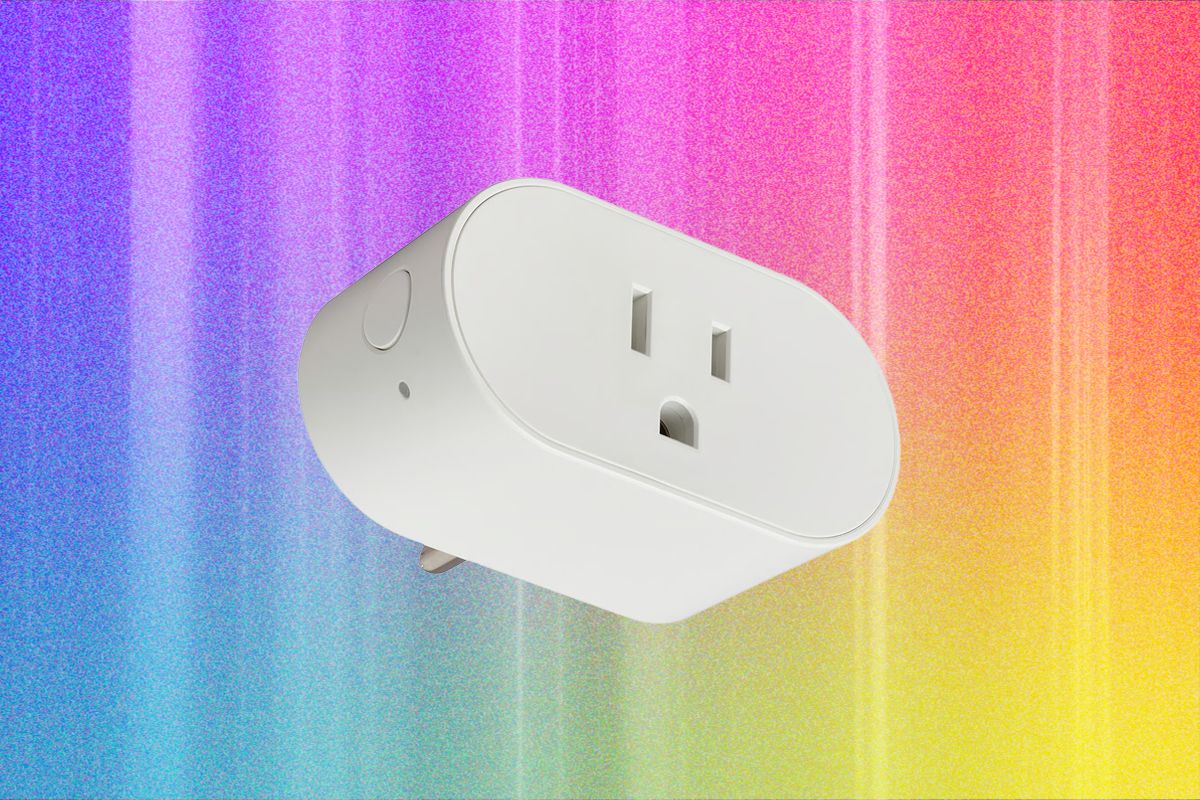
Automation once required expensive, proprietary ecosystems, but the maturation of the Matter standard has turned even basic power outlets into programmable nodes. As we move through 2026, bridging the gap between "dumb" legacy hardware and modern smart home hubs is more accessible than ever. This smart plug guide explores how to maximize this technology while navigating the significant hardware hurdles that still exist for sophisticated setups.
The Utility of Simple Circuit Automation
The primary value of a smart plug lies in its ability to manipulate a simple, binary state: power on or power off. For devices that rely on a physical toggle or a mechanical switch, a smart plug acts as a remote-controlled gatekeeper for electricity. This is most effective with lamps, fans, and basic holiday decorations.
By utilizing scheduling features, users can simulate presence in an empty house by cycling lights during evening hours, providing a low-cost layer of security. Beyond mere convenience, the integration of these devices into automated routines allows for much more complex household logic.
Creating Seamless Home Routines
A well-configured routine might involve turning on a desk lamp at sunset or ensuring that outdoor seasonal decor—such as inflatable ornaments—shuts down automatically at midnight to conserve energy. The ultimate goal is to create an environment where the heavy lifting of manual switching is offloaded to a central hub.
Identifying the Hardware Bottleneck
Despite the marketing surrounding "smart" home upgrades, not every device can be salvaged with a simple plug. The most common failure point is the requirement for secondary user interaction after power is restored. Many modern electronics remain in a "standby" or "off" state because they are waiting for an instructional input that never arrives.
This makes smart plugs largely ineffective for any appliance with complex digital logic. For instance:
- Digital Kettles: Most will not begin heating until a temperature is manually selected.
- Modern Televisions: While power is restored, the device requires a remote command to navigate menus and select content.
- Programmable Coffee Machines: Unless they feature a "power-on resume" setting, they will simply sit idle after receiving electricity.
Energy Monitoring and Ecosystem Integration
A significant secondary benefit of modern smart plugs is the ability to track energy consumption in real-time. Newer models have moved beyond simple switching to include sensors that report wattage usage back to an app. This provides a granular look at which appliances are driving up electricity costs, allowing for more informed decisions during peak hours.
When selecting hardware, compatibility with existing protocols is the most critical factor. The industry has largely coalesced around Matter, which allows devices from different manufacturers to communicate without multiple disparate apps. Selecting a plug that supports this standard ensures longevity and prevents ecosystem fragmentation.
Essential Picks for Your Smart Plug Guide (2026)
When building your automation setup, consider these market leaders:
- TP-Link Tapo Matter-Certified Mini (P125M): The gold standard for interoperability, working seamlessly across Google, Alexa, and Apple Home.
- Ikea Grillplats: A highly cost-effective solution specifically optimized for those heavily invested in the Apple Home ecosystem.
- Cync Outdoor Smart Plug: A ruggedized option designed to withstand environmental elements, ideal for patio lighting or garden ornaments.
- TP-Link Kasa EP25: A specialized choice for users focused on energy auditing and real-time consumption tracking.
The Verdict
Smart plugs remain one of the most cost-effective entry points into home automation, provided expectations are managed. They are a powerful tool for managing simple, mechanical loads and monitoring energy usage, but they are not a universal fix for complex digital electronics.
As the Matter protocol continues to erode the walls between brands, the focus should shift away from mere connectivity. Instead, users should focus on the strategic automation of the devices that truly benefit from it.