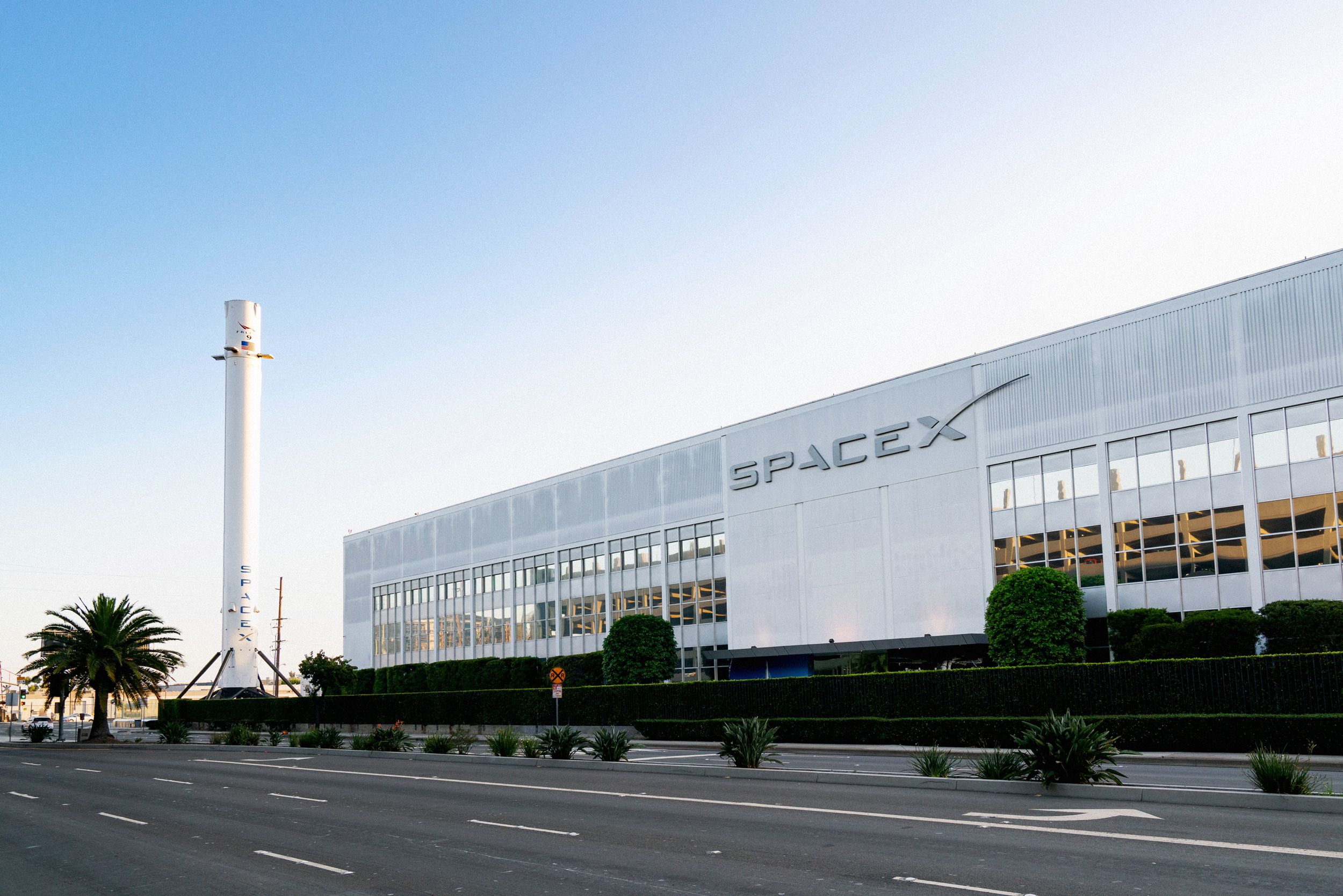
The financial details revealed within a recent S-1 filing paint a picture of capital expenditure so immense it dwarfs most geopolitical or technological investments. As SpaceX prepares for its highly anticipated IPO, the document discloses that Anthropic is paying $15 billion a year to access specialized data centers. This agreement highlights a profound shift in the AI arms race: compute power has transitioned from a standard operational cost to a strategic, multi-billion dollar utility dependency.
The Economics of Computational Scarcity
The colossal sum underscores that access to raw compute is no longer negotiable; it is foundational infrastructure akin to oil in the early 20th century. Anthropic’s commitment to paying $1.25 billion per month through May 2029 for GPU access at Colossus and Colossus II speaks volumes about its need to power sophisticated models like Claude.
The details of this arrangement reveal several key dynamics underpinning the modern AI enterprise:
- Resource Control: SpaceX is effectively monetizing excess capacity, creating a high-value service layer over proprietary hardware built for xAI’s Grok chatbot.
- Strategic Bottlenecking: The payment structure confirms that even leading AI labs cannot guarantee compute supply independently; they must lease it from infrastructure titans.
- Future Ambition: Ongoing discussions suggest this pattern of resource leasing will become a standard feature in advanced model development budgets.
SpaceX's Dual Revenue Strategy and IPO Context
These lucrative agreements fit into an aggressive monetization strategy detailed in the filing as SpaceX prepares for what is touted as one of history’s largest IPOs. The company views its compute infrastructure not just as a support function, but as a core revenue generator.
The filings describe a corporation pursuing multiple income streams to fund ambitious goals, ranging from Starship development to the eventual realization of orbital computing. This dual strategy attempts to diversify returns beyond traditional aerospace contracts and Starlink satellite services. Furthermore, financial disclosures reveal significant operational spending alongside projected revenue growth for subsidiaries like xAI.
Governance Scrutiny Amidst Hypergrowth
Beyond the staggering transaction figures, the S-1 filing forces a confrontation with corporate governance and the power dynamics underpinning such massive valuations. Concerns raised by activist groups and pension fund leaders regarding control mechanisms are notable additions to the narrative of technical dominance.
Key points of investor focus emerging from these regulatory disclosures include:
- Concentrated Power: Documents confirm an extraordinary degree of centralized authority, raising questions about corporate checks and balances.
- Investor Risk: Concerns surrounding individual share allocations suggest a potential push toward market volatility.
- Sector Critique: Institutional voices are demanding governance structures that adhere to established benchmarks rather than novel arrangements tailored for management benefit.
The true story emerging from these documents is less about the $15 billion and more about the power inherent in controlling capacity. In an era where AI progress is limited by silicon availability, the market has priced in the absolute scarcity of scalable processing power.
Looking ahead, the fact that Anthropic must secure multi-year leases from SpaceX serves as a clear indicator: technological advancement is now tethered to infrastructure monopolies. While the SpaceX IPO aims to monetize this vertical integration on Wall Street, the real long-term market power lies in maintaining a chokehold on compute resources across Earth and potentially beyond.