The convergence of advanced logistics and nutritional science is fundamentally altering the landscape of the prepared meal industry. In this Tempo Prepared Meal Subscription Review, we explore how high-quality, ready-to-heat nutrition has moved far beyond the frozen tray to meet specialized dietary needs. Modern challenges now focus on maintaining cellular-level freshness through sophisticated packaging technology.
The Technology Driving the Tempo Prepared Meal Subscription Review
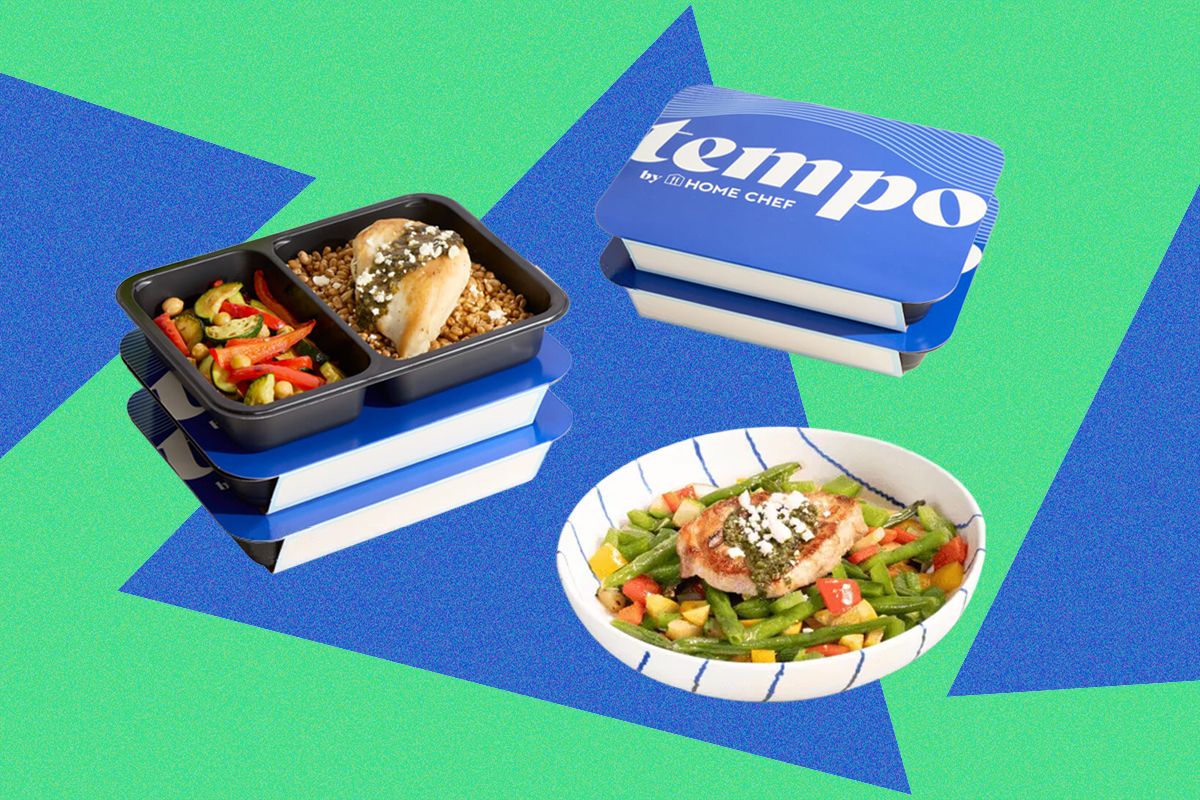
Tempo, a specialized spin-off from the Home Chef ecosystem, operates more like a high-precision logistics operation than a traditional catering service. Unlike standard meal kits that require active cooking, Tempo utilizes modified atmosphere packaging (MAP). By replacing oxygen with precisely calibrated gases, the service extends the shelf life of refrigerated meals to seven to ten days without chemical preservatives.
This technological approach allows for rare levels of texture retention in the prepared meal sector. When heating components like beef barbacoa or salmon au poivre, the meat retains a moisture profile much closer to a freshly cooked dish. This achievement in cold-chain logistics ensures that chilled proteins remain stable and flavorful for over a week.
The pricing structure reflects this high level of technical overhead. At an estimated $11 to $13 per serving, plus a weekly shipping fee of approximately $11, Tempo sits at a premium tier. It occupies the middle ground between low-cost frozen meals and high-cost bespoke meal prep services.
Nutritional Engineering and Macro Balance
The service is clearly engineered for individuals focused on macro-optimization and protein density. A significant portion of the weekly menu—often up to two-thirds of available options—is categorized as "protein-packed," frequently exceeding 30 grams of protein per serving.
As noted in our Tempo Prepared Meal Subscription Review, the nutritional profile is characterized by:
- Controlled Caloric Density: Most portions hover between 400 and 600 calories, ideal for controlled lunch consumption.
- Dietary Customization: The menu allows for tailoring based on protein-forward or low-carb requirements.
- Structural Consistency: Each meal follows a disciplined pattern of protein, starch, and vegetable.
However, this focus on efficiency can lead to "menu fatigue." While the nutritional math is sound, the high volume of chicken-based dishes may become repetitive. For users with specific restrictions, such as those avoiding fish, the lack of rotational diversity becomes even more pronounced.
Evaluating the Culinary Output
While the technology ensures safety, the culinary experience remains subject to the limitations of reheating. The proteins, particularly those prepared via sous-vide methods, are a notable highlight. A chicken breast that might typically be chalky in a pre-packaged format can emerge tender and juicy, provided it is heated with precision, such as in an air fryer.
The primary weakness lies in the secondary components of the meals. While the beef and poultry often hold up well, the vegetables frequently suffer from a "soggy" texture endemic to all pre-cooked produce. Reheated broccoli or green beans rarely recapture the crispness of fresh preparation. Furthermore, the flavor profiles can occasionally feel uninspired or "staid."
The Verdict
Tempo represents a successful application of food technology to solve the modern problem of nutritional convenience. It provides a reliable, scientifically-backed solution for professionals who require high-protein, low-effort meals that do not compromise on safety or macro-accuracy.
While the service would benefit from increased ingredient diversity and improved vegetable texture, its ability to deliver fresh, nutrient-dense food through advanced packaging is undeniably impressive. For those prioritizing nutritional consistency over gastronomic exploration, Tempo is a formidable contender in the evolving meal-subscription market.