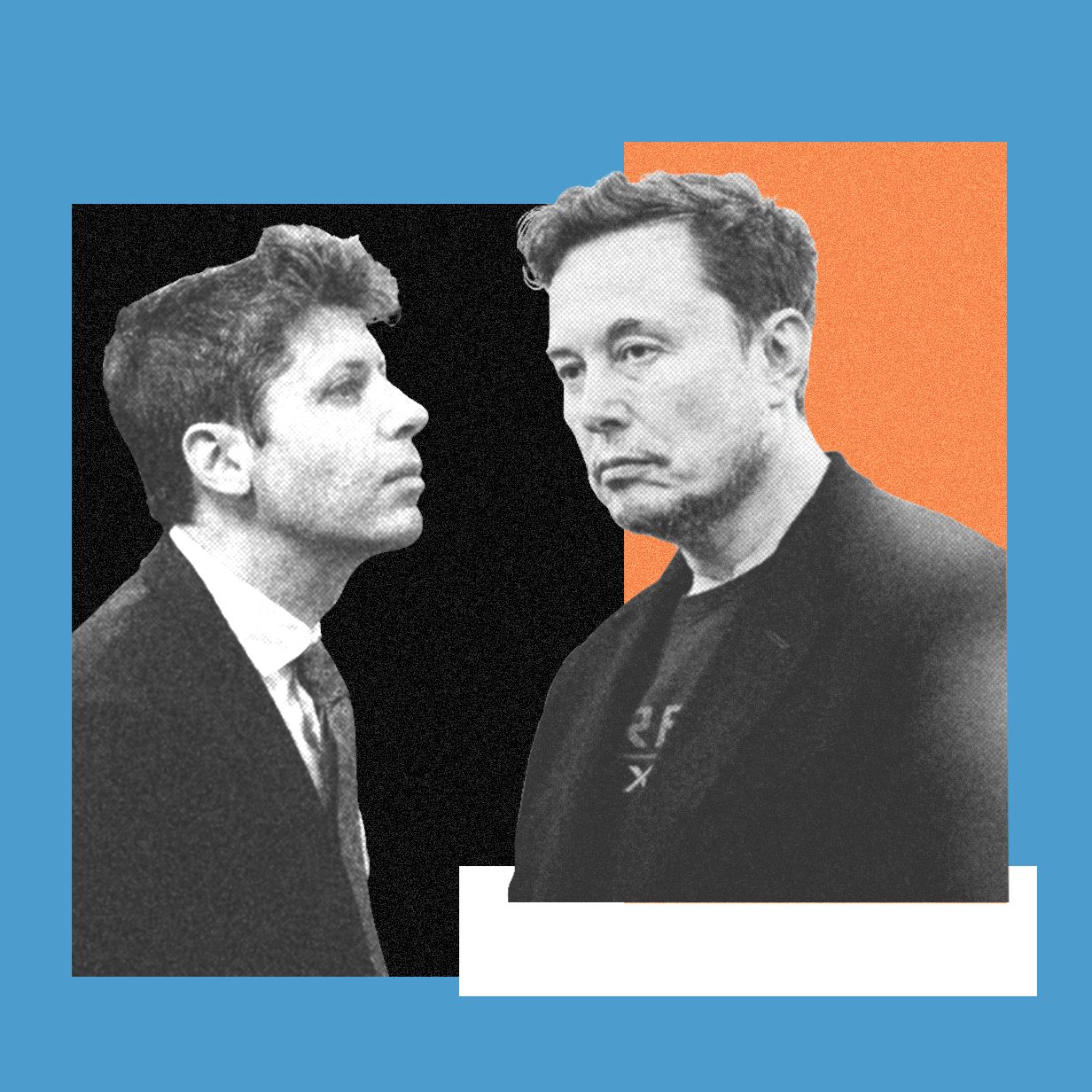
The Battle for OpenAI’s Soul: A Legal Crisis at the Heart of AI
The courtroom in Oakland has become the unlikely arena where the future of artificial general intelligence hinges on a dispute between two of Silicon Valley's most polarizing figures, sparking a fierce debate over the battle for OpenAI's soul. This isn't merely a procedural squabble over equity or board seats; it is a fundamental legal test of whether OpenAI can remain true to its original mandate to ensure AI benefits all of humanity, or if commercial imperatives will inevitably supersede altruistic founding principles. As the trial of Musk v. Altman unfolds, the outcome could redefine how the battle for OpenAI's soul is won or lost in the eyes of regulators and the public alike.
The stakes extend far beyond the immediate reputations of Sam Altman and Elon Musk, arriving at a precarious moment as OpenAI races against competitors like Anthropic and Musk’s own xAI to secure an initial public offering later this year. A verdict favoring Musk could force a complete restructuring of the organization, potentially stripping its for-profit arm of significant autonomy or even invalidating the corporate structure that has allowed it to raise billions from Microsoft. Conversely, a ruling against Musk would cement the current trajectory: a hybrid nonprofit model where commercial success drives development, with public benefit serving as a guiding star rather than a binding legal constraint.
The Erosion of Charitable Trust and Corporate Ambition
At the heart of this legal showdown lies a contentious claim regarding charitable trust that threatens to unravel the organization's foundation. Musk argues that his initial $38 million donation was made under the understanding that OpenAI would remain an open-source, nonprofit entity dedicated to the public good. He contends that Altman and co-founder Greg Brockman deceived him about their long-term intentions, eventually pivoting toward a for-profit structure that generates billions in revenue while withholding key code behind closed doors.
The defendants vehemently reject this narrative, asserting that Musk was fully aware of the necessity for a limited partnership structure as early as 2017 to attract massive capital. They claim he actively participated in designing this corporate architecture before his departure, making the current accusations of deception difficult to sustain. The lawsuit now distills into three primary allegations that will define the battle for OpenAI's soul:
- Breach of Charitable Trust: The accusation that the organization has failed to use donor funds strictly for their intended nonprofit purposes.
- Fraud: Claims that Altman and Brockman intentionally concealed their plans to commercialize the technology from Musk during the early years.
- Unjust Enrichment: An assertion that current leadership and investors have personally profited at the expense of the original mission and Musk’s contributions.
OpenAI, led by a spokesperson, has characterized Musk's actions as driven by jealousy and a desire to derail their competitor, xAI, rather than genuine concern for charitable law. The company points out that state regulators in Delaware and California have already reviewed and approved the transition to a for-profit entity under strict conditions, suggesting that legal oversight exists outside of this adversarial courtroom dynamic.
Witness Testimony and the Future of AI Governance
The trial promises to peel back the layers of OpenAI’s internal history, with testimony expected from some of the most influential names in tech. The roster includes Sam Altman, Elon Musk, Greg Brockman, Ilya Sutskever (the former chief scientist), Microsoft CEO Satya Nadella, and board chairman Bret Taylor. Their testimonies will likely reveal the friction between rapid scaling and safety protocols that has plagued the organization for years.
Former board members involved in Altman's temporary ouster, such as Helen Toner and Tasha McCauley, may also testify via video conference, shedding light on the internal power struggles that defined the company’s recent history. Beyond the personalities, the case has drawn amicus briefs from former employees and AI safety nonprofits who argue that holding OpenAI accountable to its founding mission is critical for the industry's long-term viability.
Legal experts remain divided on whether Musk, a self-interested party standing to benefit from a competitor's success, is the appropriate vehicle for this legal challenge. While some observers, like Northwestern law professor Jill Horwitz, question the precedent of allowing a private founder to override state attorney general decisions, others see value in using Musk’s position to force transparency on AI safety commitments. Nathan Calvin of Encode notes that while regulators are better positioned to advocate for the public interest, the current commercial pressures surrounding an IPO could lead OpenAI to cut corners on its promises.
A Verdict That Will Define the Industry
The outcome of Musk v. Altman will likely resonate far beyond Oakland’s federal courtroom, shaping how future AI startups balance profit and purpose. If the jury rules that OpenAI violated its charitable trust, it could trigger a wave of litigation against other hybrid nonprofit structures in Silicon Valley, forcing a re-evaluation of how high-stakes technology companies are governed.
Conversely, if Altman prevails, it will solidify a model where commercialization is viewed not as a betrayal of ideals but as a necessary evil to achieve AGI at scale. The legal system may soon have to answer whether the original mission statements of tech founders can hold up against the relentless drive for market dominance and public listing. As the nine jurors deliberate, they are essentially deciding whether the soul of OpenAI belongs to its donors or to its shareholders, a question that will define the trajectory of artificial intelligence for decades to come.