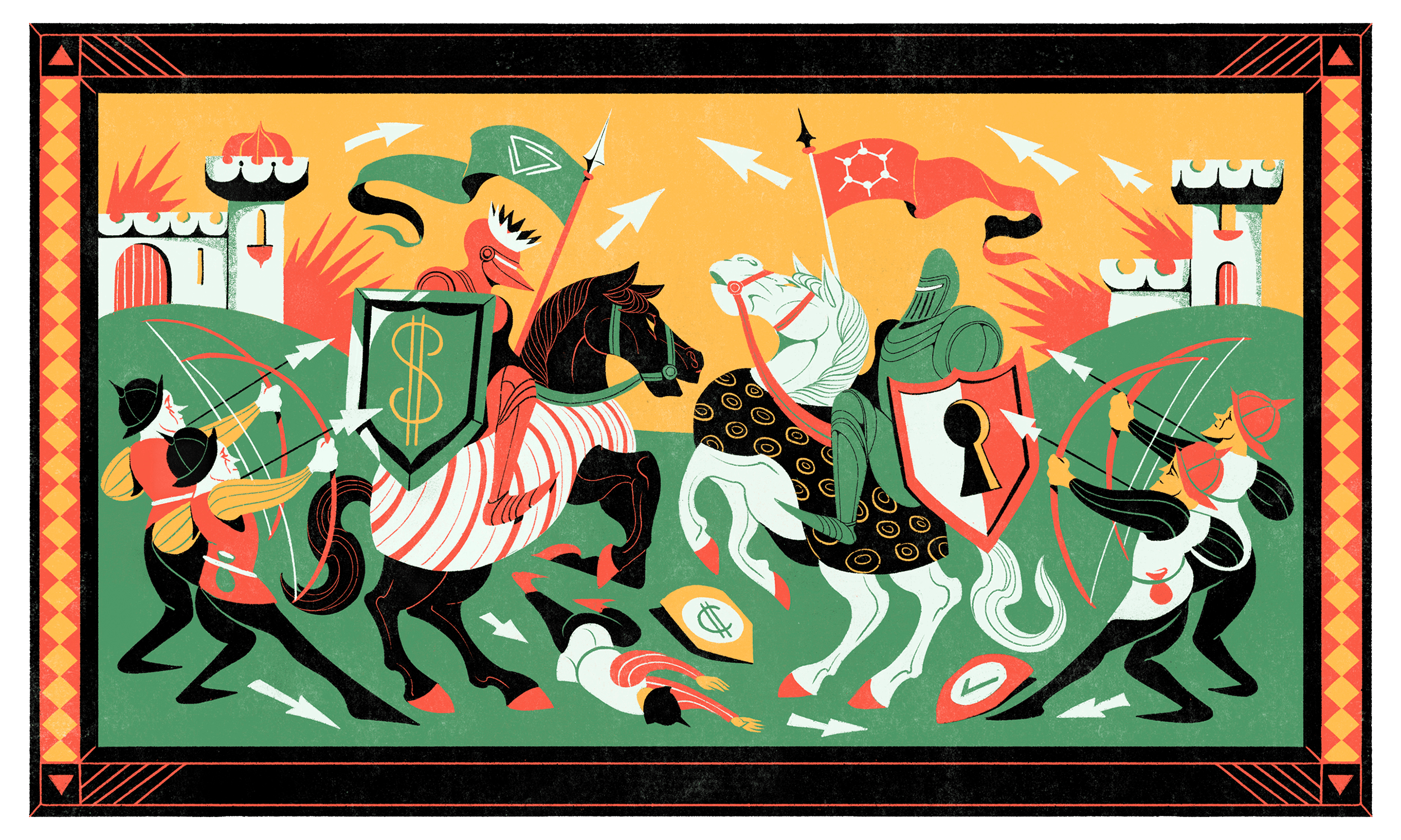
The Split Behind a Legendary Privacy Tool
Can the possession of cryptographic signing keys act as both a shield for privacy and a detonator for a business partnership? This tension lies at the heart of the history behind GrapheneOS, arguably the most significant mobile security project in existence today. While the operating system is widely celebrated as the gold standard for hardened Android deployment, its origins are rooted in a bitter dissolution between two men who once shared a single vision for this legendary privacy tool.
From CopperheadOS to Mobile Fortresses
The foundation of this digital conflict began not in a corporate boardroom, but in small, informal gatherings of researchers like Toronto Crypto. In these circles, the technical brilliance of Daniel Micay emerged alongside the business-minded pragmatism of James Donaldson. Together, they sought to address the inherent vulnerabilities of the Android ecosystem—a platform often criticized for its "Swiss cheese" security architecture due to its massive, decentralized footprint.
Their primary vehicle was CopperheadOS, a project focused on what is known in cybersecurity as Android hardening. The concept was straightforward yet ambitious: by adding layers of protection and tightening permissions, they could transform a vulnerable consumer OS into a fortified mobile environment.
For a time, the partnership functioned with a clear division of technical and business labor:
- James Donaldson managed the external presence and the pursuit of growth.
- Daniel Micay operated from what was colloquially termed a "wizard tower," hunting for vulnerabilities and patching them into the core code.
The Fracture of Open-Source Ethics
As the project gained international recognition—earning accolades from organizations like the ACLU and features in prominent hacker publications—the internal philosophy of the team began to splinter. The divergence was not merely personal, but fundamental to how software should exist in a civilized society. As the brand grew, the tension between maintaining an open-source ideal and the need for sustainable revenue became an insurmountable gap.
The points of contention eventually moved beyond simple disagreement into a total breakdown of trust:
- Licensing Models: The transition from a purely open-source model to a noncommercial license restricted free access to the technology.
- Commercial Direction: The pursuit of lucrative contracts within the defense industry threatened the project's reputation as a tool for civil liberties.
- Operational Agency: Disagreements over whether the software should serve the masses or be gated behind high-priced hardware and support tiers.
For Micay, the shift toward monetization and defense-sector involvement represented an erosion of the very principles that justified the project's existence. For Donaldson, it was a necessary evolution to ensure the survival and professionalization of the enterprise.
The Power of the Signing Keys
The climax of this saga centered on the most critical component of any secure operating system: the cryptographic signing keys. In the world of software updates, these keys dictate which code is trusted and which changes are permitted to reach the user's device.
While a large-scale project like Linux employs distributed safeguards to prevent unilateral control, CopperheadOS lacked such an oversight mechanism. Micay held the keys, and he possessed the technical authority to decide the project's fate.
The resulting split effectively ended the era of CopperheadOS as it was originally envisioned, paving the way for the emergence of GrapheneOS. This transition serves as a stark reminder that in the realm of high-stakes cybersecurity, the most profound vulnerabilities are often found not in the code itself, but in the human elements of trust and ideology. The legacy of this conflict remains etched into every security patch released today, proving that even the most robust digital fortresses are built upon the volatile foundations of human decision-making.