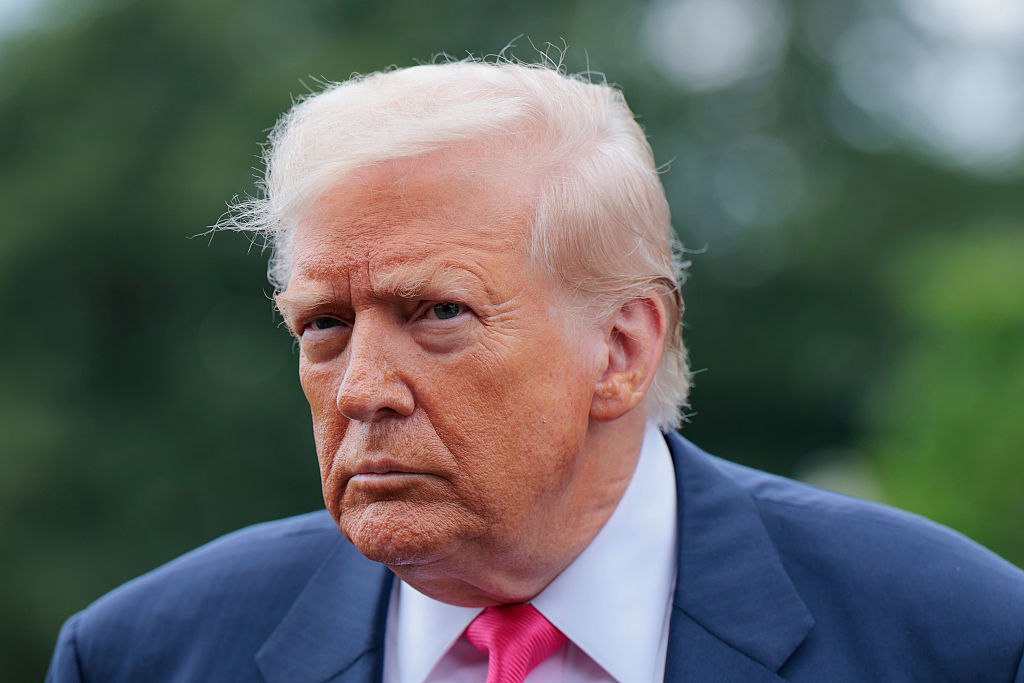
The Strategic Pause: Why Trump Delayed the AI Security Executive Order
A sophisticated language model, capable of analyzing proprietary codebases in minutes, could potentially map a corporation's entire digital infrastructure vulnerabilities before any human security team has finished compiling their threat assessment report. Such emergent capabilities force regulators and industry leaders alike into an immediate reckoning with governance models that lag decades behind computational breakthroughs. The sudden maturation curve of generative artificial intelligence means policy debates can feel perpetually reactive, chasing the bleeding edge of capability rather than setting a steady course for adoption. This reality underscores the high stakes involved when the federal government attempts to regulate technologies that evolve faster than legislative processes can track.
Scrutiny Over Pre-Release AI Model Evaluation Standards
The proposed federal executive order aimed to establish concrete mechanisms for vetting advanced Artificial Intelligence systems before they could be widely deployed. The core function envisioned by proponents was simple yet profoundly complex: mandate government review of models exhibiting frontier capabilities, particularly those capable of rapidly identifying and exploiting zero-day vulnerabilities within critical infrastructure code. This regulatory framework sought to inject a necessary layer of proactive risk assessment into the development lifecycle, moving beyond mere post-deployment auditing toward preemptive security gating.
The concern crystallized following demonstrations involving highly potent models that could navigate complex security puzzles with alarming efficiency. These incidents highlighted a dangerous gap: the speed of innovation far outpaced the speed of governance. Industry experts pointed to specific sticking points within the draft language, which created significant friction between innovation and regulation. Key areas of contention included:
- Model Transparency: Defining "advanced" models and establishing enforceable, non-proprietary testing protocols remains a primary hurdle for regulators.
- Data Access: Determining who gets access to pre-release weights, and under what legal confidentiality framework, remains a chasm between lawmakers and Silicon Valley architects.
- Global Coordination: The policy vacuum underscores the urgent need for international standards, lest disparate national regulations create dangerous fragmentation or, worse, exploitable loopholes.
One of the most contentious requirements involved the mandate that advanced model weights be shared with government bodies weeks or months ahead of market release. This level of mandatory pre-sharing represents a significant procedural hurdle, balancing national security interests against proprietary intellectual property rights held by developing tech firms. For companies racing to deploy next-generation models, handing over core intellectual assets to federal oversight before commercial launch is viewed by many as an insurmountable barrier to competitiveness.
Political Friction and the Pace of AI Governance
The recent delay in signing this executive order introduces a layer of political friction into an already highly technical policy debate. Statements suggesting that the primary impediment to signing was not regulatory disagreement over standards, but rather perceived obstruction—specifically citing language deemed potentially "blocking"—shifts focus from pure technical risk management to political expediency. Such maneuvering forces observers to question whether the immediate need for guardrails is being overshadowed by geopolitical signaling or optics.
President Trump’s rationale for the delay, articulated as a desire not to "get in the way of that leading," highlights a fundamental tension in American tech policy. The argument that impeding progress would hinder America's global technological lead is a perennial theme in high-stakes technology discussions. While maintaining a competitive edge against international rivals remains paramount, proponents of rigorous oversight argue that unchecked deployment carries systemic risks too profound to ignore for the sake of speed. The debate pits the dynamism inherent in private sector acceleration against the structural necessity of federal vetting mechanisms designed to protect critical national assets.
This delay signals a shift in priority. By pausing the executive order, the administration has effectively chosen to prioritize rapid deployment and market dominance over the immediate implementation of uniform security standards. This approach assumes that the market will self-correct regarding safety, a belief that critics argue is dangerously optimistic given the potential for catastrophic failures in critical infrastructure. The rationale provided suggests that the current draft of the order might have slowed down the very entities the government aims to empower, creating a paradox where security measures could inadvertently weaken national competitiveness.
The Operational Vacuum: What Happens Without an EO?
Without the signing of such an executive order, the mechanism designed to standardize security review remains theoretical. This creates a predictable operational vacuum where market forces continue their trajectory largely unimpeded by centralized federal oversight concerning frontier AI. The industry must navigate this interim period with heightened caution, realizing that self-regulation alone, while impressive in pockets, cannot account for systemic, cross-sectoral risk.
The implications suggest an increased reliance on sector-specific standards. Financial services, healthcare, and defense contractors will likely have to build ad hoc governance structures to manage their own exposure to AI-driven threats. This fragmented approach risks creating inconsistent safety baselines, where only the most compliant or risk-averse organizations implement robust checks, while others prioritize speed to market.
As the debate continues, the delay serves as a stark reminder of the difficulty in governing technology that operates at the speed of thought. The administration’s decision to pause reflects a broader struggle to define the boundaries of acceptable risk in an era where AI capabilities are expanding exponentially. Until a consensus is reached on how to balance innovation with security, the industry will operate in a state of uncertain anticipation, watching to see if future policies will prioritize protection or propulsion. The coming months will be critical in determining whether this delay is a strategic pause for better policy design or a retreat from necessary oversight in favor of unchecked growth.