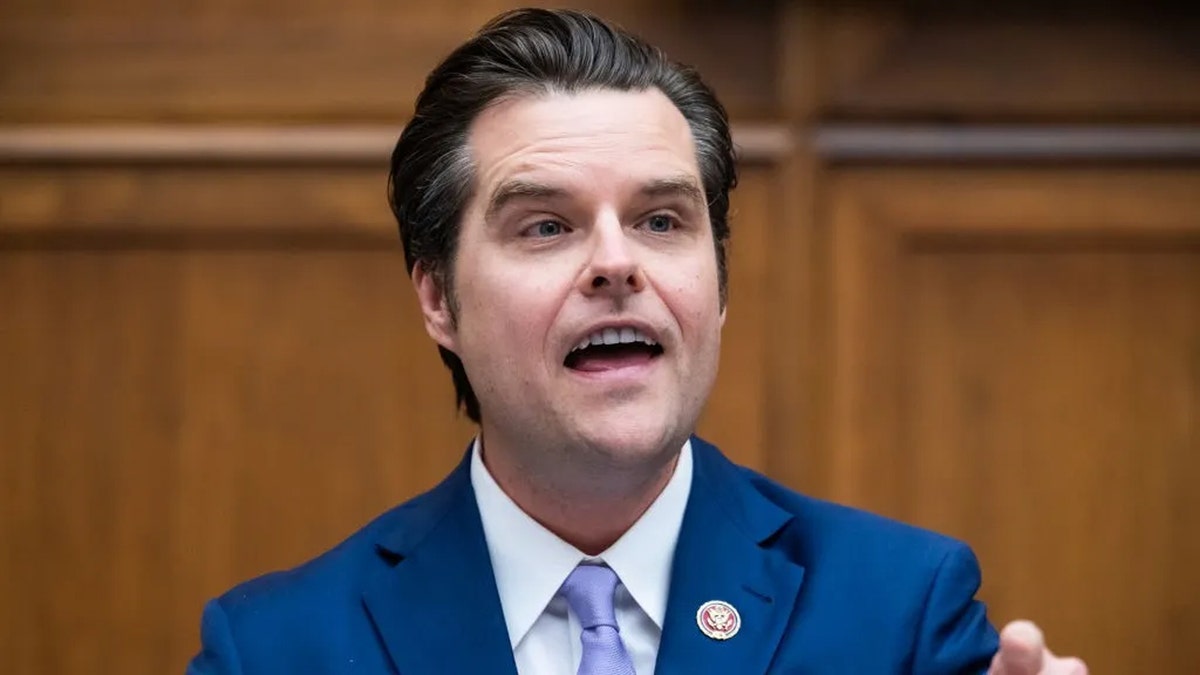
As the expiration date for critical U.S. surveillance authorities approaches, a deep divide has emerged within Congress regarding how to balance national security with civil liberties. Lawmakers are currently split over protecting Americans from warrantless surveillance as they debate the future of intelligence-gathering powers.
While many advocates are calling for widespread reforms following years of high-profile surveillance scandals and abuses across successive U.S. administrations, the legislative process remains fraught with tension.
The Battle Over Section 702 Reform
The primary focus of this legislative tug-of-war is Section 702, a component of the Foreign Intelligence Surveillance Act (FISA). This provision allows intelligence agencies to conduct warrantless surveillance on non-U.S. citizens located outside the country, but it often results in the "incidental" collection of data belonging to Americans.
Key points of contention regarding these powers include:
- Incidental Collection: The tendency for American communications to be swept up during foreign intelligence operations.
- Querying Standards: Whether intelligence agencies should require a warrant before searching collected data for information on U.S. persons.
- Accountability Measures: The level of oversight required to prevent the misuse of surveillance tools by federal agencies.
What Happens When Spy Laws Expire?
Even if the spy law known as Section 702 expires in April, it is important to note that the government's intelligence-gathering capabilities will not automatically lapse entirely. However, an expiration would create significant legal uncertainty and could temporarily limit the scope of how agencies operate.
The debate over warrantless surveillance highlights a fundamental disagreement: one side argues that strict warrant requirements are essential to protect constitutional privacy, while the other maintains that such hurdles could hamper the speed and effectiveness of national security efforts. As the deadline nears, the outcome will determine the extent of federal oversight in the digital age.