X Introduces Unified History Tab to Consolidate User Activity
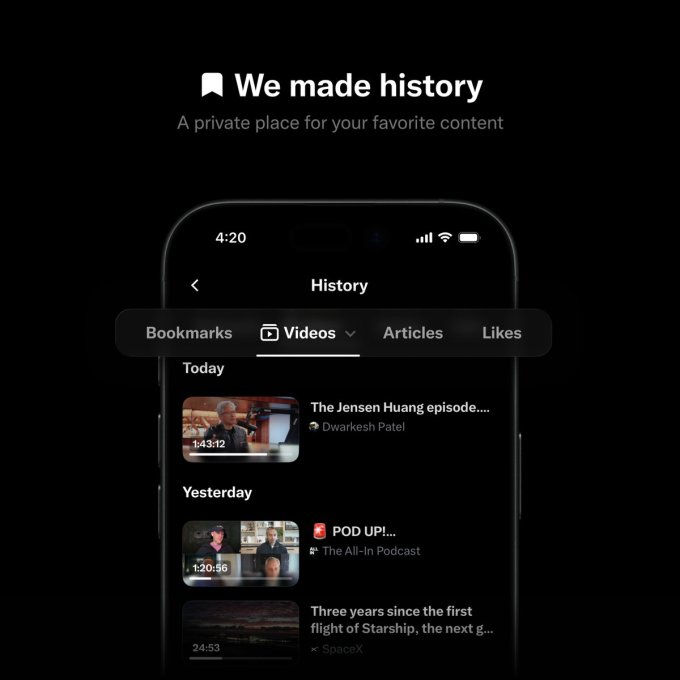
X has officially launched a new History tab, a significant update that redefines how users interact with digital content on the platform. By collapsing bookmarks, likes, videos, and articles into a single, private archive, the platform is shifting away from its ephemeral social feed model toward a robust personal knowledge repository.
This move positions X as a hybrid reading and discovery hub, mirroring the organizational functions of a web browser while retaining its native social features. The update signals a strategic pivot toward deeper content retention and enhanced creator empowerment, addressing long-standing user needs for better content management.
A Unified Archive for Diverse Content Types
The core innovation of the update lies in its ability to aggregate disparate content types into one accessible location. Previously, users had to navigate multiple sections to find saved or viewed material. The new layout separates these elements into distinct, easily accessible tabs, significantly reducing cognitive load.
Key components of the History tab include:
- Bookmarks: Persistent saves accessible directly from the main menu without complex navigation.
- Likes: Aggregated activity feeds from the user profile, allowing for quick review of past interactions.
- Videos: Automatically populated from viewing history, leveraging AI-driven recommendations to surface relevant past content.
- Articles: Curated from reading sessions, with precise timestamps and metadata preserved for context.
This consolidation reduces friction for users returning to complex reading material or extended video content. Instead of hunting through third-party links or scattered notifications, users can access previously consumed items directly from a single hub. This is particularly valuable for professionals and students who rely on the timely recall of prior research.
Privacy by Design and User Autonomy
A critical aspect of this update is its commitment to user privacy. Nikitia Bier emphasized that the archive is entirely user-controlled, addressing growing concerns about data portability and platform lock-in. The History section remains invisible to others, reinforcing user trust and encouraging candid exploration of interests without social pressure.
By prioritizing retention without sacrificing privacy, X strengthens its position as an evolving digital commons. This design choice preserves autonomy while offering the benefits of centralized curation, ensuring that users feel secure in their digital footprint.
Strategic Implications for Creators and the Platform
The update addresses several industry pressures simultaneously, positioning X as both a distribution network and a content preservation layer.
- Counteracting Declining Referral Traffic: The platform gives creators a more reliable distribution channel for long-form content.
- Meeting Advertiser Needs: It aligns with advertiser demands for measurable engagement that goes beyond fleeting post interactions.
- Supporting Long-Form Journalism: By providing persistent access points, X supports educational content and journalism that requires deeper engagement.
For creators, the History tab opens new pathways to audience retention. Publishers can monitor reader habits more accurately, refining formats and topics based on concrete usage data rather than inferred engagement. Early analytics suggest increased time spent within the app, with measurable upticks in article completion rates.
The Future of Hybrid Reading Environments
The introduction of the History tab reflects a maturing understanding of user behavior and platform responsibility. As attention fragments across an expanding digital ecosystem, X’s approach offers a compelling alternative: a secure, integrated space where discovery, consumption, and recall coexist without friction.
The feature introduces subtle behavioral incentives by surfacing articles alongside likes and videos. This nudges users toward longer-form consumption patterns that historically suffered on shorter-scroll platforms. Looking forward, this may catalyze further innovations in hybrid reading environments, where social interaction meets persistent personal archives.
For those evaluating the update’s impact, watch for shifts in reading patterns, creator engagement metrics, and cross-platform traffic trends. The change underscores a growing conviction that lasting value lies not in virality alone, but in the thoughtful curation of what matters over time.