In an era where our lives are inextricably linked to electronic devices, having a reliable backup power source is no longer optional—it is essential. Whether you are preparing for a sudden grid outage or heading off the beaten path, finding the right energy solution requires balancing raw power with ease of use.
To help you navigate the crowded market, we have identified the 9 best portable power stations based on rigorous testing across several critical performance metrics.
How We Tested These Portable Power Stations
Selecting a reliable unit requires more than just looking at a spec sheet. To determine which models truly deliver, we evaluated each candidate across five core dimensions:
- Energy Capacity: The total amount of usable watt-hours available for your devices.
- Real-World Performance: How the unit maintains steady output under heavy electrical loads.
- Portability Features: Assessing weight, handle ergonomics, and ease of transport.
- Durability: Testing resistance to dust, moisture (IP ratings), and physical impacts.
- Charging Flexibility: Compatibility with AC, DC, and solar input for various environments.
Our testing scenarios ranged from overnight camping trips to simulating whole-home backup during extended grid failures.
Top Contenders: The Best Portable Power Stations for Every Need
Best Overall: Bluetti Elite 300
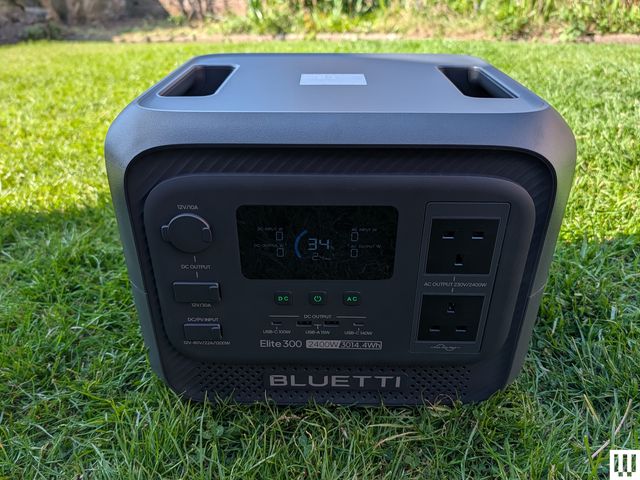
The Bluetti Elite 300 stands out as the premier choice for users who need a balance of high capacity and efficiency. Boasting a massive 3,014 watt-hours of capacity and an output of 2,400 watts (with a 4,800-watt surge), it is perfectly suited for RVs and small cabins.
The unit operates quietly—under 50 decibels under light loads—and features incredibly fast AC charging, reaching 80% in just 90 minutes. While the nearly 58-pound weight makes it a heavy lifter and it lacks AC expansion capability, its five-year warranty provides immense peace of mind.
Best for Camping: Jackery Explorer 1500 Ultra
If your priority is ruggedness during outdoor adventures, the Jackery Explorer 1500 Ultra is the top pick. It features an IP65 rating, making it resistant to both dust and rain, alongside a shockproof design built to survive accidental drops.
Despite its robust build, it weighs just under 40 pounds, maintaining excellent portability for hikers and campers. It supports everything from small appliances to power tools and operates at a whisper-quiet 30 decibels. Note that the rubberized port covers require careful handling to avoid fumbling in the dark.
Best for Overlanding: GoalZero Yeti 1500
For those traversing rough terrain, the GoalZero Yeti 1500 is engineered for durability. Constructed primarily from aluminum, this unit handles high-vibration environments better than almost any competitor. The latest model utilizes LiFePO4 chemistry, offering an impressive lifecycle of up to 4,000 cycles before dropping to 80% capacity.
It integrates seamlessly into van electrical systems via multiple USB-C and 12V outputs, including a 30-amp 12V capability. However, be aware that the lack of an integrated heater may make charging difficult in extreme cold without extra equipment.
Best Budget-Friendly Value: BLUETTI Elite 200 V2
For users seeking a lightweight backup without the premium price tag, the BLUETTI Elite 200 V2 is an excellent entry point. While it offers roughly half the capacity of the Elite 300, it remains highly reliable for powering smartphones, laptops, and small essential appliances.
Best Specialty Option: GoalZero Yeti 1500 (Rugged Build)
While more expensive per watt-hour, the GoalZero Yeti 1500 serves as a specialized powerhouse. It is the ideal selection when your primary requirement is extreme durability and high output, and cost is a secondary concern to hardware integrity.
Essential Buying Advice for Portable Power Stations
Before committing to a purchase, consider these four pillars of power planning:
- Capacity Planning: Always match your watt-hour rating to your anticipated usage. A 2,000-watt-hour unit is perfect for essential electronics but may struggle if you attempt to run multiple high-draw appliances simultaneously.
- Portability vs. Power: There is an inherent trade-off between energy density and weight. Heavier models almost always deliver more total energy; ensure your transport methods can handle the load.
- Charging Strategy: For frequent use, prioritize units with fast AC charging for home replenishment. If you are going off-grid, check the maximum solar wattage input to ensure you can recharge during daylight hours.
- Warranty and Support: Because these units are often exposed to harsh environments, a five-year warranty is a vital safeguard against premature battery degradation or hardware failure.