Bose is making a calculated move back into the hearts of design-conscious listeners. With its latest hardware launch, the company isn't just releasing new hardware; it is reviving its "lifestyle" branding to transform home audio from mere utility into an intentional part of interior design.
The new lineup focuses on creating environments where music feels lived-in and seamless, moving away from industrial-looking tech toward sleek, fabric-wrapped components that blend into a living room or lounge.
A New Aesthetic: The Lifestyle Collection
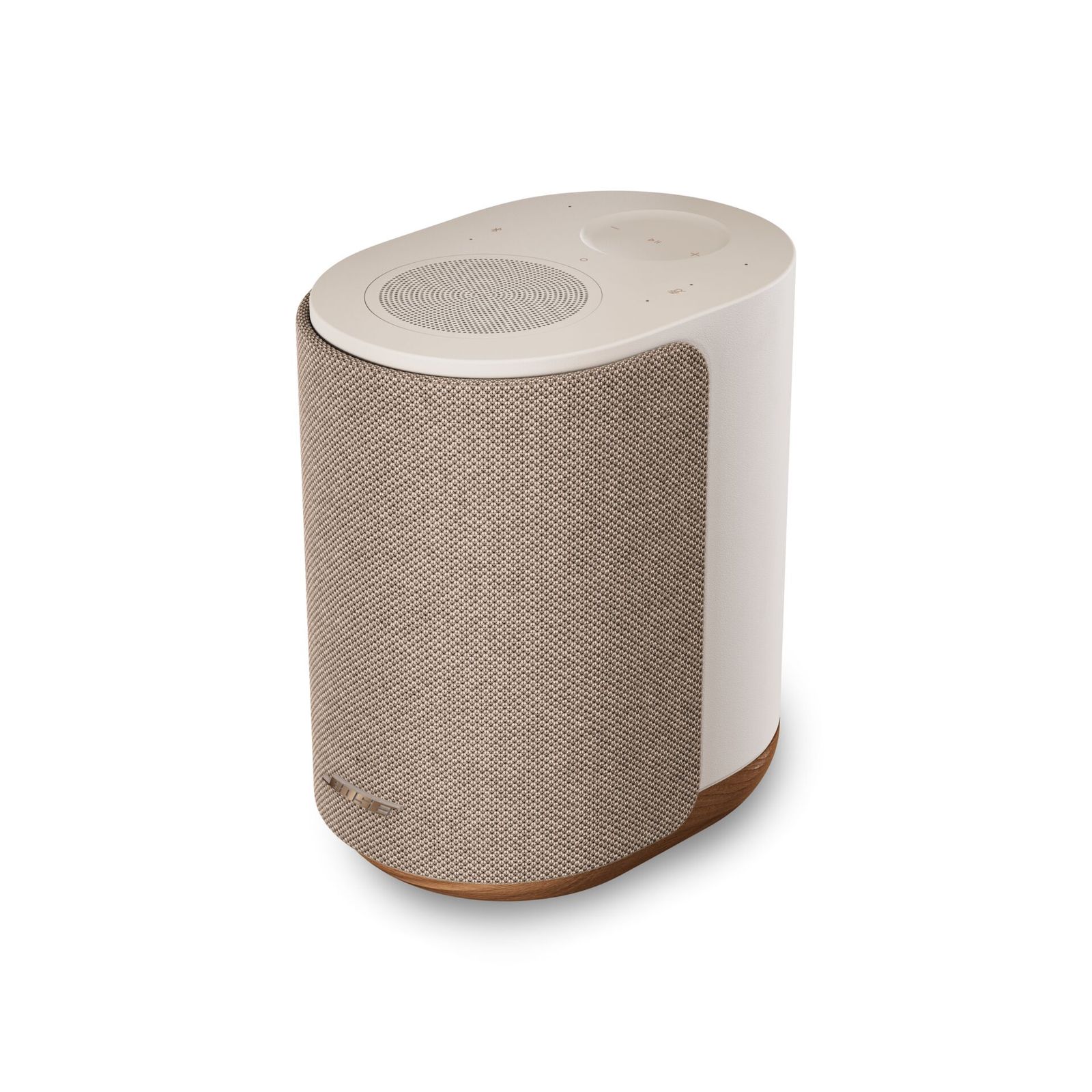
The centerpiece of this release is a visual language defined by soft curves and premium textures. Bose is clearly prioritizing integration over intrusion, ensuring these speakers sit naturally near fireplaces or sofas without dominating the room.
Key design elements include:
- Premium Finishes: The introduction of colors like Driftwood Sand for the Ultra speaker signals that aesthetics are now as vital as acoustic performance.
- Soft Silhouettes: The Ultra soundbar and subwoofer feature rounded edges, moving away from the harsh, industrial shapes typical of traditional audio gear.
- Textile Integration: Snazzy fabric grilles allow the hardware to mimic high-end furniture rather than electronic peripherals.
Technical Foundations and Performance
While the look is modern, the engineering relies on a sophisticated mix of digital convenience and analog warmth. Bose has leaned heavily into multi-room connectivity, ensuring these units sync effortlessly via AirPlay, Google Cast, Spotify Connect, and Alexa+ (available in the U.S. only).
For those who haven't abandoned tradition, Bluetooth support and an auxiliary input for turntables provide a bridge to the analog world. The hardware itself features several notable acoustic technologies:
- Spatial Audio Simulation: The Ultra speaker utilizes an upward-firing driver to create a Dolby Atmos-like spatial effect.
- CleanBass Technology: This system pairs QuietPort ports with specialized woofer dynamics to deliver deep bass without distortion.
- AI Room Calibration: Using the microphone input from the Bose app, the system performs room mapping to optimize sound for your specific space—eliminating the need for cumbersome ADAPTiQ headsets.
Ecosystem Integration and Connectivity
Bose is aiming to reduce friction by allowing multi-room setups to live within existing Google Home or Apple AirPlay ecosystems. This makes grouping speakers across a house much simpler, bypassing the need for proprietary barriers.
The Ultra soundbar specifically introduces PhaseGuide drivers, which bounce sound toward side walls to fill larger rooms evenly. Additionally, the SpeechClarity feature uses AI to enhance dialogue, making it much easier to hear TV shows when household conversations are happening in the background.
Users can create a stereo pair by grouping two Ultra speakers, or build a full surround system with three units. However, users should note that compatibility is somewhat limited, as the system only supports certain legacy components like the Bose Bass Module 700. Furthermore, while the Ultra subwoofer provides impressive depth, it currently operates via a wired connection, which may limit placement flexibility compared to fully wireless alternatives.
Strategic Market Positioning
This revival of lifestyle branding comes at a strategic moment. Bose is positioning itself as a stable alternative following the recent turbulence seen at Sonos, where a controversial app update caused significant user frustration.
According to Gregory Haungs, senior product manager, this launch is the result of long-term planning rather than a reactionary move. "We’ve been working on this for a long time to make sure we’re doing it right," Haungs stated.
With the Ultra speaker priced at $299 (or $349 for a limited edition), Bose is targeting premium buyers who value both form and function. While the system's reliance on AirPlay and Google Cast might feel slightly insular to those seeking total third-party app freedom, the focus on high-end finishes and room-mapping technology makes this a compelling proposition for the modern smart home.