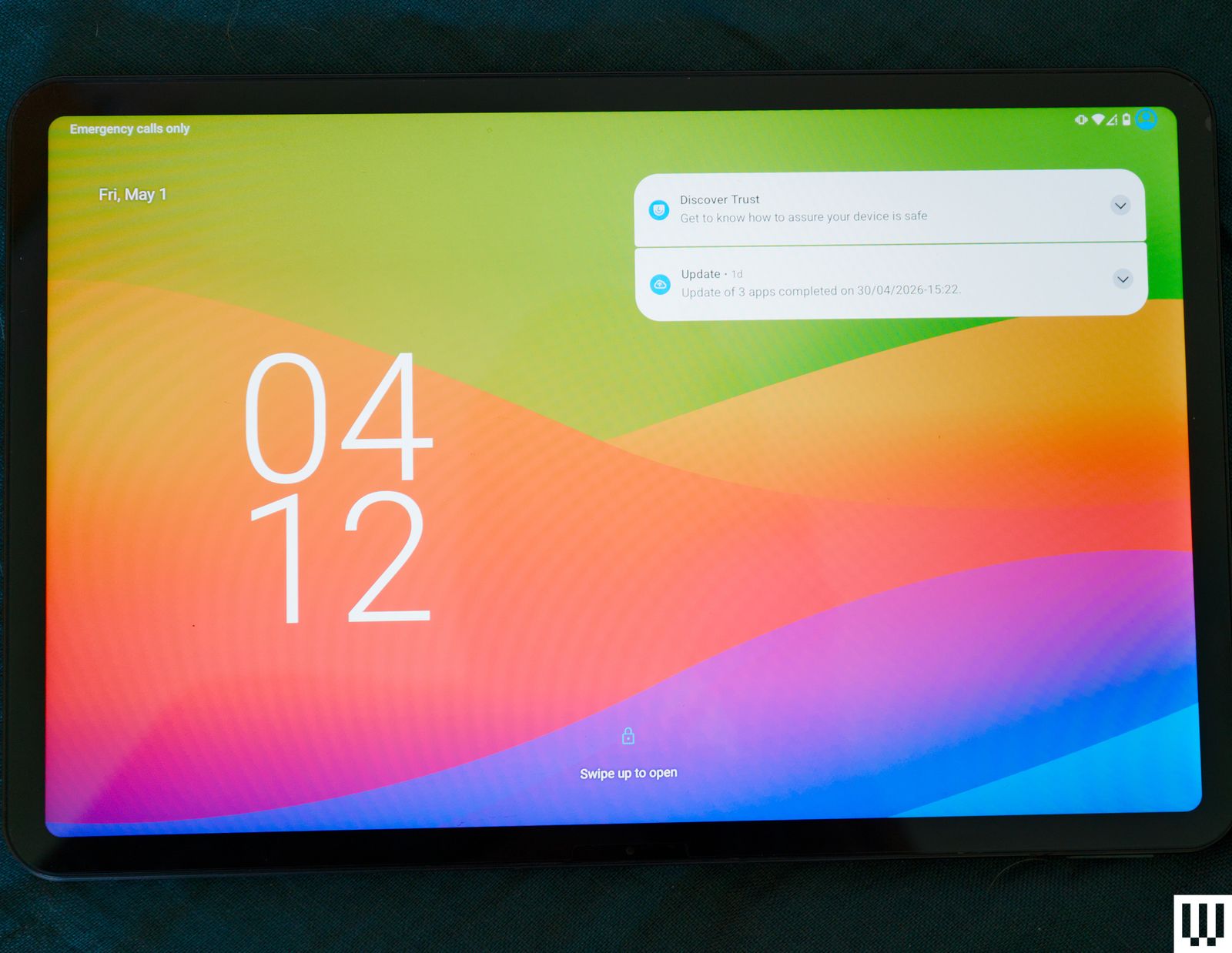
Privacy-conscious consumers often face an unavoidable trade-off between device functionality and personal data security. The Murena /e/OS tablet (Volla) forces users to confront this dilemma head-on, offering an entirely Google-free experience at a significantly steep price point.
Privacy as a Design Philosophy
The core appeal of the Murena /e/OS tablet lies in its commitment to digital sovereignty. Unlike mainstream tablets that thrive on data harvesting, this device is built around a philosophy of transparency and user control.
Key features of the privacy framework include:
- Zero default telemetry: By default, /e/ OS strips most telemetry features found in mainstream operating systems.
- Decentralized services: Cloud offerings prioritize local or third-party alternatives over monolithic ecosystems.
- Transparent data collection: Every potential data collection point is documented and remains strictly opt-in.
Technical Architecture and Performance
While the software focuses on security, the hardware presents a more mixed bag of capabilities. The device utilizes a MediaTek Helio G99 chipset, which attempts to balance cost and capability without reaching the levels of premium-tier efficiency found in flagship competitors.
The visual experience is driven by a large 12.6-inch panel with a 240-ppi density. This display delivers sharp visuals suitable for media consumption, though it lacks the pixel density required for professional-grade workflows. On the storage front, users are presented with a fixed 512GB capacity; while this supports robust everyday use, the lack of expansion flexibility may be a drawback for power users.
Ecosystem Limitations and App Compatibility
Using a Murena /e/OS tablet requires accepting certain ecosystem gaps. Because it avoids the standard Google Play Services, users may encounter issues with app performance or integration.
- API Gaps: Delayed integration of newer Android APIs can affect how certain modern applications perform.
- Web vs. Native: The device's web-centric design shines for casual browsing but falters when running specialized entertainment or productivity applications.
- Gaming Performance: While the mid-range chipset handles 4K streaming adequately, it will struggle with demanding, high-fidelity gaming titles.
Value Proposition: Privacy for a Price
At €698, the Volla sits in an awkward market position. It is priced significantly higher than competitors like the OnePlus Pad 3, despite offering technically inferior specifications. This premium pricing reflects the specialized nature of the hardware and its target audience—privacy advocates who are unwilling to sacrifice hardware quality even if they must accept reduced app breadth.
Currently, EU-only distribution limits broader testing and global feedback opportunities. However, the device succeeds in forcing users to evaluate what truly matters in a mobile environment. While the absence of invasive data collection is compelling, the lack of tablet-specific optimizations means it cannot match mainstream alternatives in sheer versatility.
Ultimately, for those willing to accept these limitations for the sake of greater data autonomy, Murena provides a consistent reminder that privacy requires intentional engineering. The Murena /e/OS tablet stands as both a technical curiosity and a philosophical statement against surveillance capitalism.