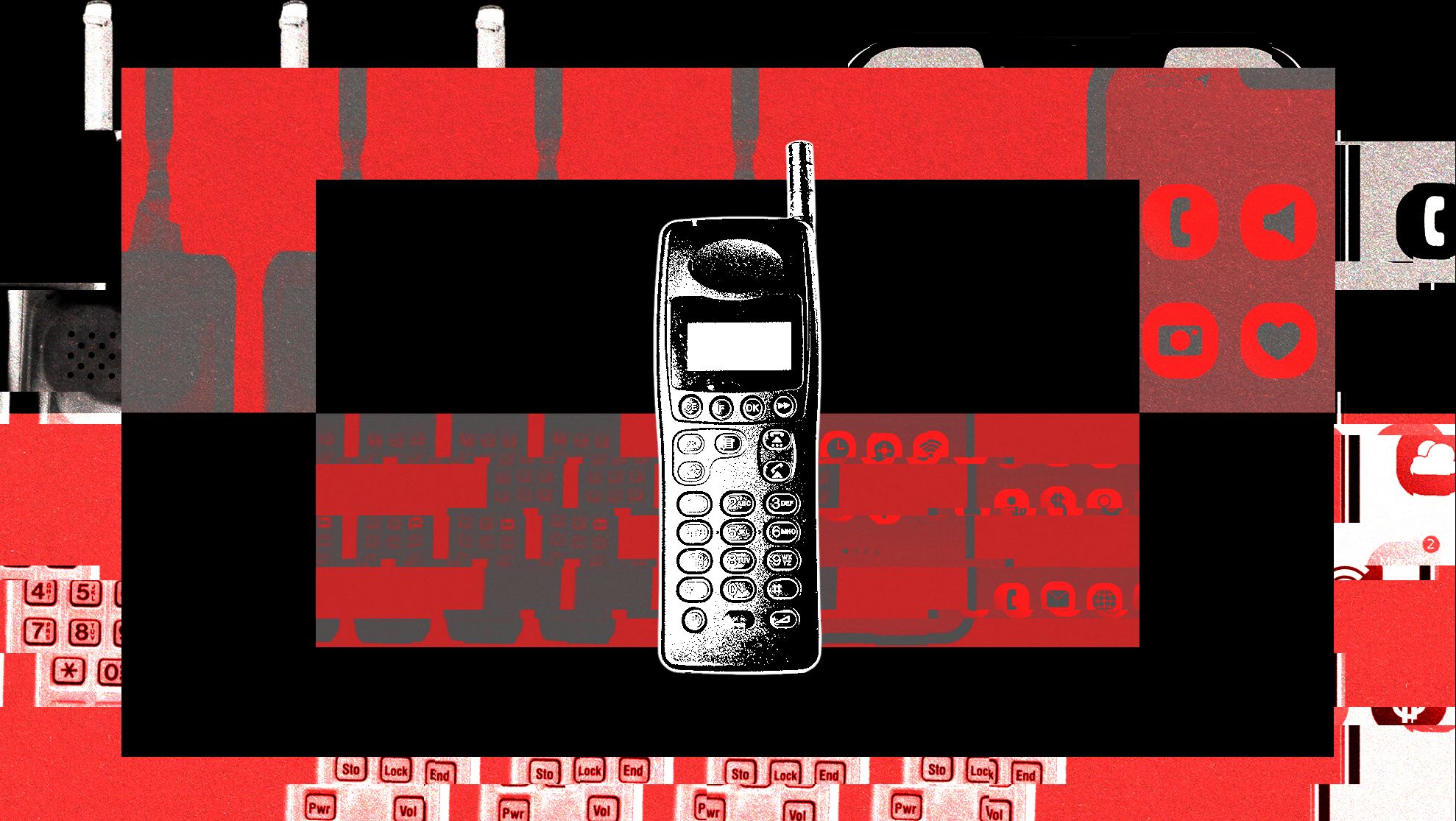
The tech industry’s mythology is built around singular inventions that redefine daily life. Few origin stories are as tantalizingly close to becoming reality as the iPhone that never was—a project conceived by Apple insiders years before the first iPhone reshaped communication, entertainment, and commerce.
The Origins of General Magic
In 1989, Marc Porat—a visionary with a PhD focused on labor’s shift to an information economy—assembled a powerhouse team of former Apple engineers. This group included software luminaries such as Andy Hertzfeld and Bill Atkinson.
Porat’s "Pocket Crystal" schematic prefigured many features we take for granted today, including:
- Advanced touchscreens
- Mobile applications (apps)
- Digital assistants
- Integrated digital ecosystems
The design prioritized aesthetics and utility, envisioning devices that felt like wearable treasures rather than clunky tools. This foresight birthed General Magic, a company poised to unify telecommunications, computing, and media under one seamless ecosystem.
Building the Dream of a Pre-Smartphone Era
The scale of ambition behind General Magic was unprecedented. The company formed an "Alliance"—a massive coalition spanning industry giants like Sony, Motorola, AT&T, and Philips.
Engineers within this alliance developed pioneering technologies that served as precursors to modern mobile computing. They created virtual keyboards, animated stickers (the ancestors of today's emojis), and early versions of the cloud for device networking. They even developed a custom programming language, Telescript, which hinted at interconnected systems decades ahead of its time. However, internal tensions eventually flared when Mitsubishi halted a demonstration, revealing hardware design hurdles that threatened the project's scalability.
The Illusion of Readiness and Final Collapse
By 1995, General Magic underwent a massive transformation. Following a Goldman Sachs-led IPO, the company became a public entity despite having minimal revenue. Driven by hype surrounding Porat’s vision of a "heaven for engineers," the stock price doubled on its first day.
Despite the financial frenzy, the hardware struggled to meet the moment. The prototype devices were plagued by:
- Extreme battery drain
- Sluggish performance speeds
- Fraying partnerships due to uncertain timelines
As pressure mounted, Porat eventually stepped down. The failure of this "iPhone that never was" wasn't just about technical limits; it was a cascade of strategic missteps. Overambition led to products like the Pocket Crystal demanding capabilities beyond what 1980s infrastructure could support, while massive capital drains and cultural friction between startup energy and corporate rigor destabilized execution.
The Enduring Legacy of General Magic
While General Magic’s specific products never reached retail shelves, its DNA is embedded in every modern smartphone. The roots of touch interfaces, app ecosystems, and cloud services can be traced back to the foundational work done by this team.
The story of General Magic serves as a vital lesson for the tech industry: true disruption requires a balance of audacity and adaptability. While the company failed to bridge the gap between imagination and reality in the 90s, its innovations paved the way for the connected world we inhabit today.