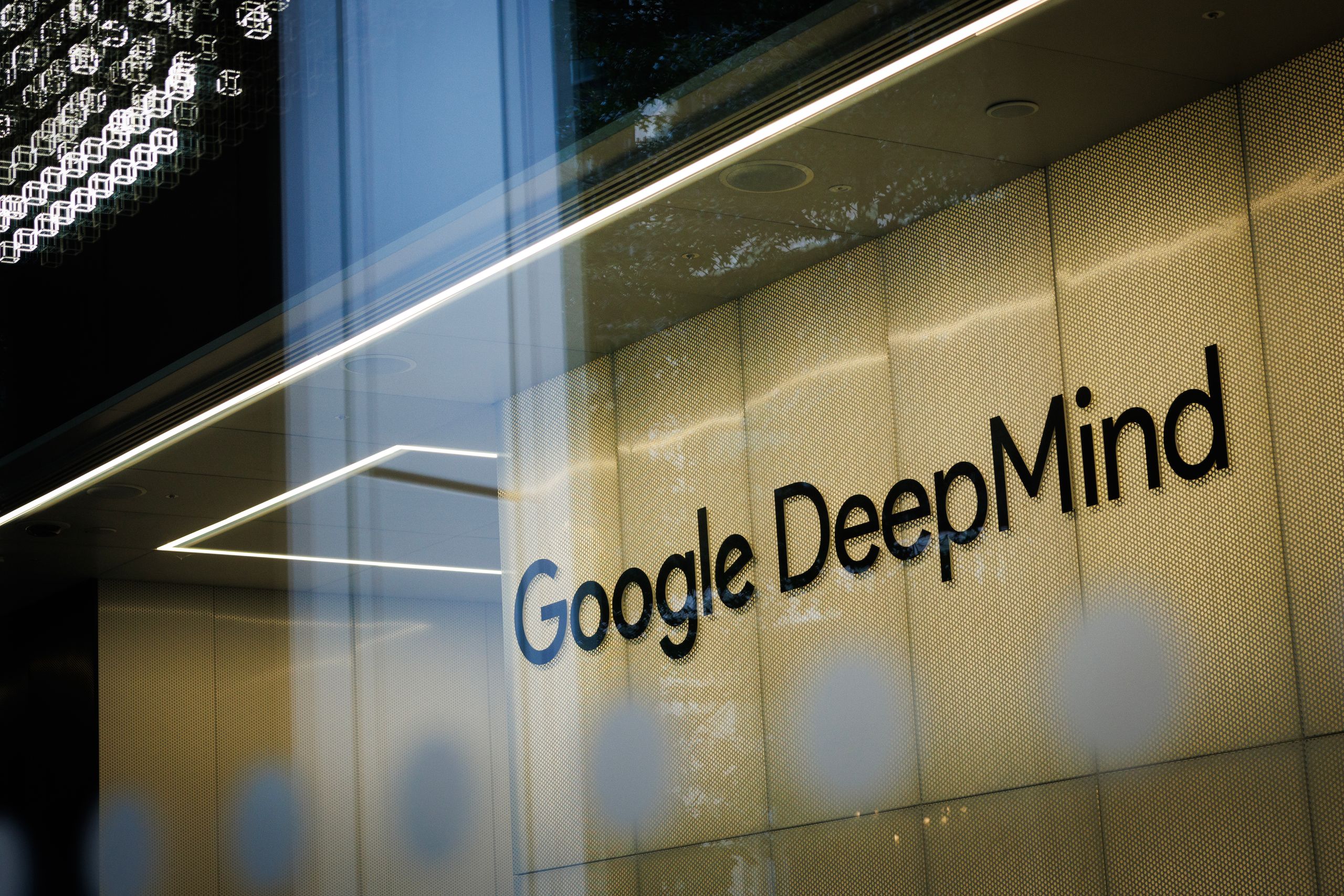
In a landmark move that signals a growing rift within the tech industry, Google DeepMind workers vote to unionize as they launch a direct challenge against the lab's involvement in military AI contracts. This decision marks a pivotal moment in the struggle between corporate expansion and ethical AI development, highlighting a deepening conflict over how advanced technology is deployed on the battlefield.
The Push for Ethical Oversight at DeepMind
A majority of staff members at Google’s London-based DeepMind research lab have formally petitioned management to recognize two major labor organizations: Unite the Union and the Communications Workers Union (CWU). This initiative is driven by intense employee concern regarding the integration of AI models into weapons development and mass surveillance technologies—practices many staff members argue violate the lab's stated mission of "responsible AI."
The momentum for this unionization effort follows a significant shift in corporate policy, specifically Alphabet’s 2025 reversal of a previous pledge to avoid military applications. This change has emboldened employees who believe that collective bargaining is the only way to ensure corporate ethics are not sidelined for defense contracts.
To prevent the misuse of technology, the unionizing staff is focused on several key grievances:
- Implementing strict restrictions on autonomous weapon systems.
- Establishing safeguards to prevent the use of AI for mass civilian surveillance.
- Demanding increased transparency regarding the scope and nature of government contracts.
As a national officer from the CWU highlighted, workers believe that ethical standards can only be maintained when employees have a direct, organized voice in corporate policy.
A Growing Trend of Tech Labor Activism
The movement by Google DeepMind workers to unionize is not an isolated event; it mirrors a wider trend of unrest across the global AI landscape. Employees at several frontier labs are increasingly using organized advocacy to push back against opaque defense partnerships and Department of Defense oversight.
Recent industry tensions include:
- Staff at OpenAI offering support to Anthropic during disputes over Pentagon contracts.
- Joint efforts by employees from both DeepMind and OpenAI signing open letters criticizing U.S. military involvement in AI.
These actions represent a fundamental shift in power dynamics, as tech professionals leverage collective action to influence the societal impact of their work.
The Future of AI and Defense Partnerships
The success of this unionization effort could have massive implications for the future of global defense technology. If management recognizes the unions, Google may be forced to renegotiate or even terminate existing contracts with entities such as the Pentagon and the Israeli military. The workers have already indicated a readiness to escalate the dispute through legal arbitration if their demands for recognition are ignored.
However, the path forward remains fraught with difficulty. Alphabet has previously maintained that its focus remains on "appropriate human oversight," suggesting potential resistance to the union's demands. As competitors like Anthropic and OpenAI face similar scrutiny, the industry is entering a period of systemic reckoning.
Ultimately, the decision by DeepMind staff to organize will serve as a benchmark for the tech industry. It tests whether the rapid pace of AI innovation can coexist with the growing demand for moral responsibility and transparent governance in an era of geopolitical instability.